
ONE BUYER DECISION
Every guide starts with one buyer question and a defined project stage.
GEERPOWER KNOWLEDGE CENTER
Machine selection, mold interfaces, production-cell planning and buyer checks—written for manufacturers who need a defendable project decision, not a longer equipment list.
TOPIC ARCHITECTURE
Each guide belongs to a defined topic cluster and points to the next technical or commercial decision.
Compare servo-hydraulic and all-electric routes from part, mold, process and factory inputs.
Explore route 02 · DECISION SUPPORTUse one project brief to compare drive routes before sending any commercial request.
Explore route 03 · COST CLARITYSeparate included scope, logistics, trials and ownership to compare project proposals safely.
Explore route 04 · ROUTE STRATEGYUse a 4-point route checklist before choosing GEERPOWER project route or GEEPOW Certified used route.
Explore route 05 · PROJECT READINESSUse destination-ready import and launch steps to avoid inquiry delays in Mexico and Turkey markets.
Explore route 06 · TURNKEY PROJECTSDefine the machine, mold, automation, auxiliaries, acceptance and delivery responsibility as one scope.
Explore route 07 · INDUSTRY APPLICATIONSStart from the product and manufacturing goal before choosing machine architecture or tonnage.
Explore route 08 · SEPARATE USED-EQUIPMENT ROUTEUsed-machine inventory and inquiries remain separate from the GEERPOWER new-machinery offer.
Explore routeHOW TO TRUST THE ANSWER
AI may help organize a draft, but it cannot create machine evidence, project experience or publication approval.
Every guide starts with one buyer question and a defined project stage.
Specifications, results and commercial claims require a reviewable source.
Prepared-by, reviewed-by, evidence basis and update details remain visible.
Each answer connects to a machine, project, evidence or RFQ decision.
Quality should mean reviewable evidence and project fit, not empty promotional language. Start with product, mold, output, utilities and acceptance scope.
Read the complete guide →ANSWERS BY BUYER DECISION
Short, direct answers lead to the complete evidence and project checks behind each recommendation.
Evaluate the route by project fit: product, mold, resin, target output, auxiliaries, factory utilities, safety interfaces, documents and acceptance evidence. Do not treat quality as an unsupported adjective. Exact GP3600 parameters, controller, price, delivery, certification, energy use and trial results remain NEEDS_EVIDENCE until the project file supports them.
Read the direct answer →Choose tonnage from projected area and the expected pressure acting in the mold, then verify shot capacity, screw working range and physical mold fit separately. Part weight or nominal clamping force alone is not enough; the final machine must also support the target cycle, output and production-cell interfaces.
Read the direct answer →Prepare product drawings or photos, resin data, part and runner weight, mold dimensions, cavity count, output target, auxiliary needs, factory utilities, destination and acceptance method before asking for a machine quote. Missing data should stay marked as NEEDS_EVIDENCE instead of being replaced by supplier guesses.
Read the direct answer →A turnkey injection molding project should connect the product target, mold interfaces, machine selection, auxiliary capacity, utilities, layout, trial evidence, export delivery and handover responsibilities in one written scope. A machine-only quotation is not a complete turnkey production plan.
Read the direct answer →It should define pre-shipment checks, site checks, evidence records and open items for the machine, mold interface, dry cycle, mold trial, auxiliaries, automation, safety, documents, packing and handover. Site-dependent results should not be described as proven before the buyer's factory conditions are available.
Read the direct answer →Review resin preparation, material conveying, mold temperature, cooling, part removal, scrap handling, safety access and factory utilities around the injection molding machine. Exact dryer, loader, chiller, robot, conveyor or utility sizes should remain NEEDS_EVIDENCE until resin, mold, output, layout and site data are supplied.
Read the direct answer →Use a four-stage process: confirmed project inputs, route selection, readiness evidence packaging, and staged quote discussion. Every stage must keep open items explicit and time-bound to avoid quote loops.
Read the direct answer →Use a fixed three-step sequence: confirm scope in 24h, verify route and readiness in 72h, then hold a decision checkpoint with owners and dates. Each message should reduce uncertainty, not repeat generic follow-up.
Read the direct answer →Prepare a destination-separated packet: technical scope, commercial scope, logistics package, utility evidence, and approval flow. Missing each packet item should have owner and target date.
Read the direct answer →Define three response windows, ownership, and required packet completeness. Keep each stage visible: received, reviewed, and staged decision.
Read the direct answer →Use a total-cost model with five blocks: machine and installation, energy and utility, maintenance, downtime exposure, and trial/commissioning burden. This is more reliable than comparing machine list price alone.
Read the direct answer →LATEST BUYER GUIDES
Focused articles that connect machine data with production and delivery reality.

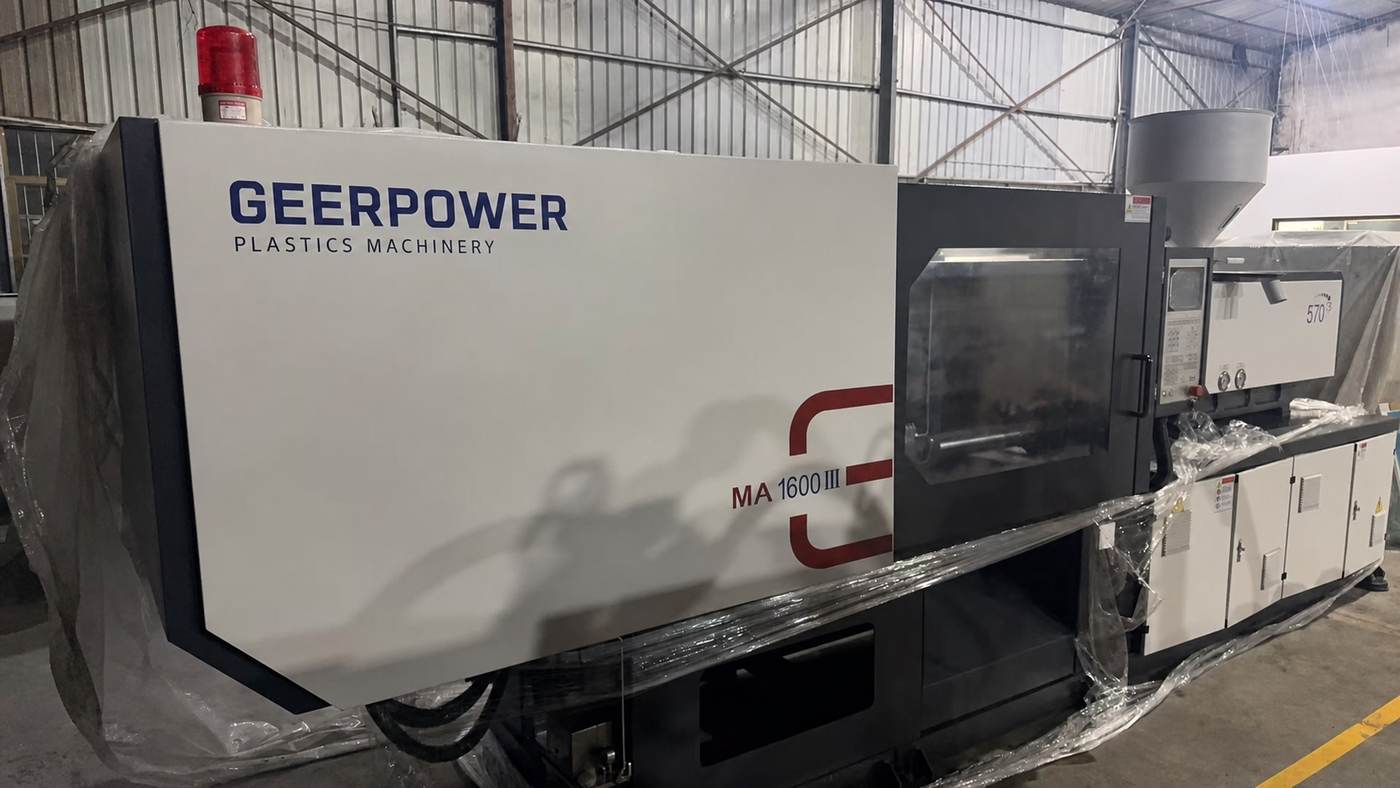
A running machine is not a complete handover. Use this buyer's worksheet to request isolation records, clear responsibilities and site-specific review.
Read guide →
A stable HMI reading is only one piece of evidence. Learn what to request for sensors, heater zones, alarms and a meaningful temperature-control FAT.
Read guide →Treat hydraulic oil as acceptance evidence: oil grade, fill method, filtration, sample point, cleanliness report and warm-run records.
Read guide →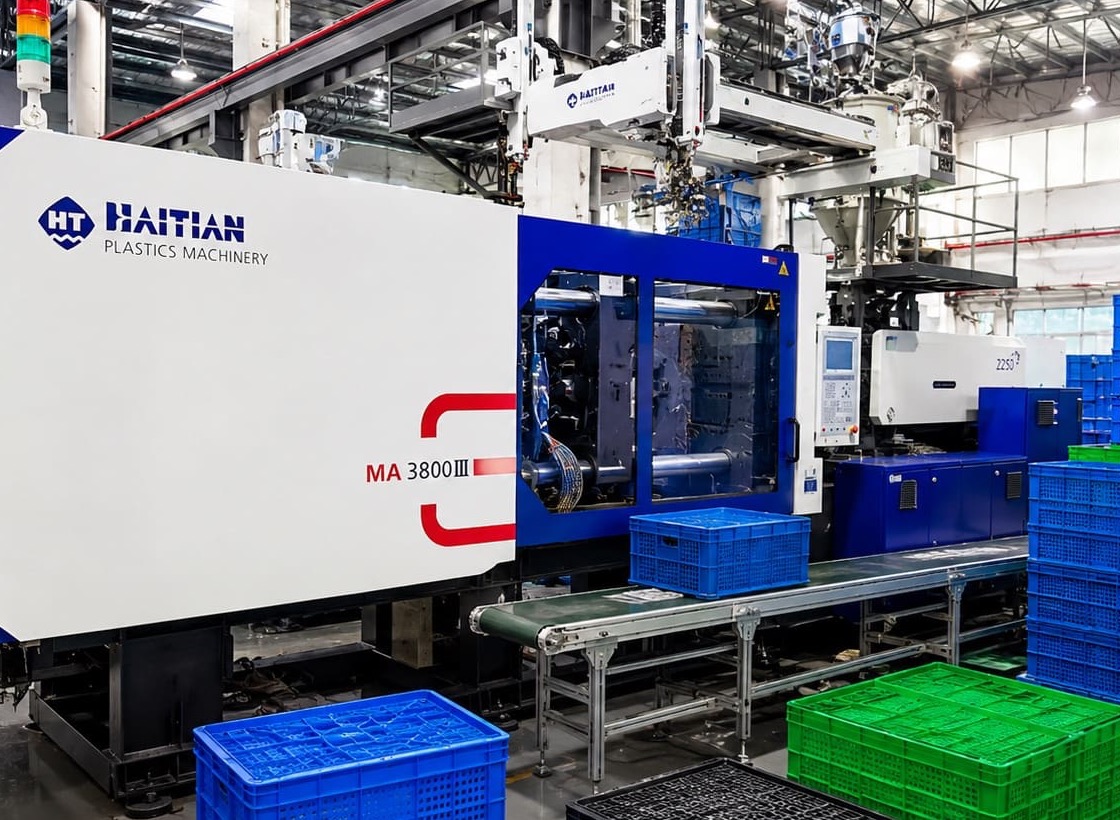
Compare threaded-part mold quotes by release method, torque, drive type, machine interface, sensors and T1 sample evidence.
Read guide →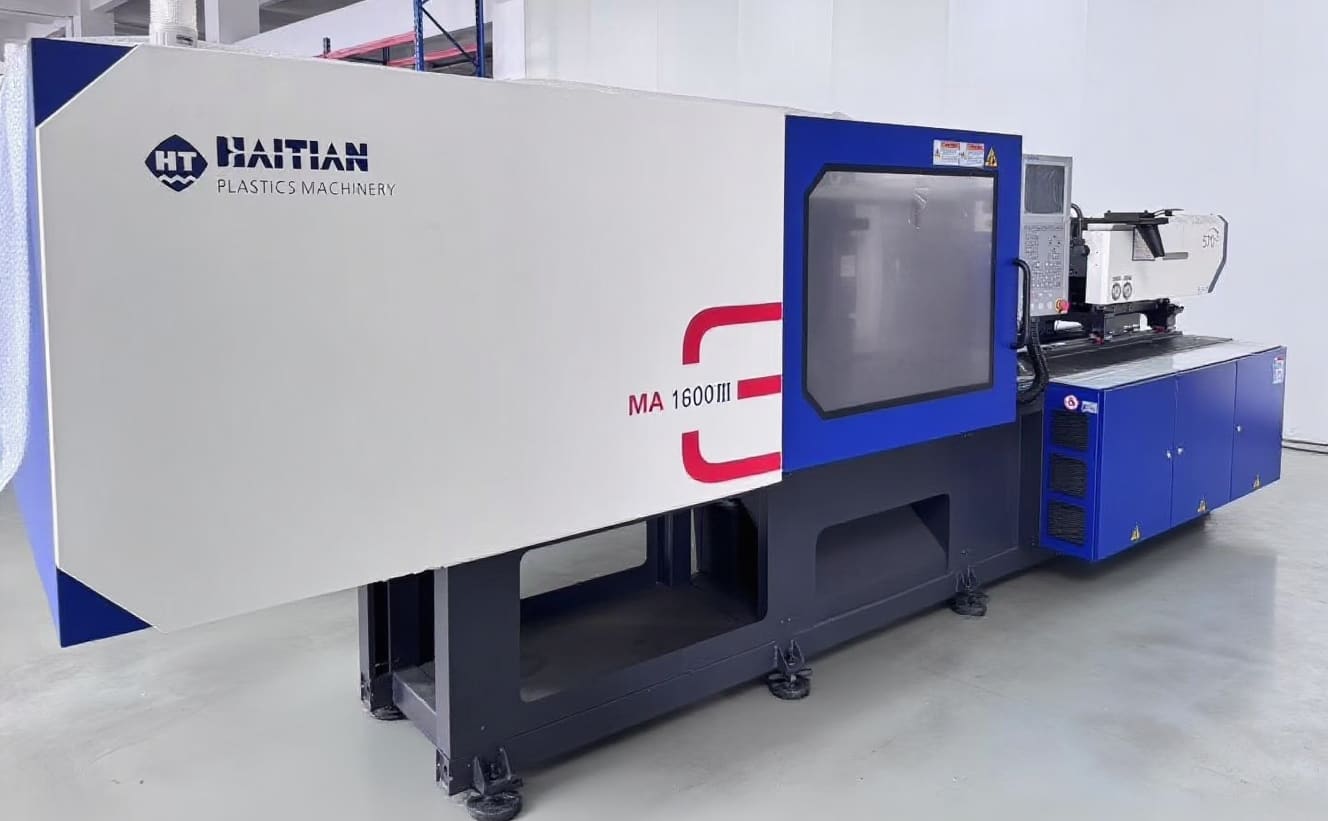
Treat automation interfaces as acceptance evidence: signal matrix, safety behavior, downstream devices, data scope and FAT/SAT records.
Read guide →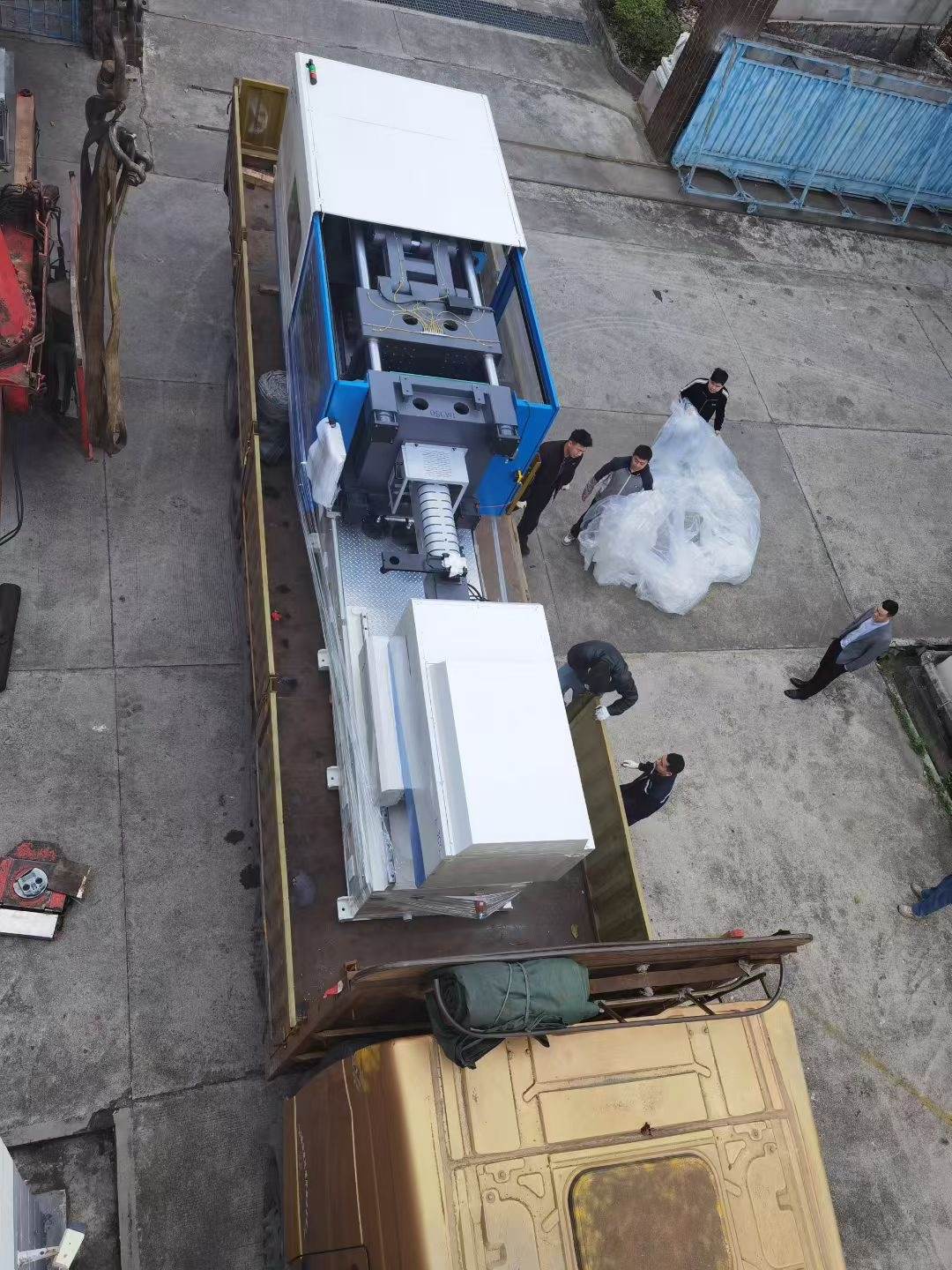
Approve shipment with packing evidence: preservation, wood marks, accessory crates, container loading, securing records and arrival inspection.
Read guide →
Treat mold temperature control as an acceptance scope with circuit maps, water quality, interfaces and FAT/SAT evidence, not as a loose accessory line.
Read guide →
Connect resin grade, dryer type, hopper capacity, loader route, dew-point records and contamination controls before comparing cell quotations.
Read guide →Approve gate vestiges, ejector marks and visible-surface boundaries before mold cutting, not after first samples create a dispute.
Read guide →Trace each critical dimension from drawing requirement to sample identity, method, result, deviation status and correction record.
Read guide →
Turn labware use, dimensional interfaces and handling requirements into a comparable machine and production-cell quotation.
Read guide →Separate leak integrity, circuit circulation and molding performance before approving an export mold cooling handover.
Read guide →Transparent light guides need an RFQ file that separates optical surfaces, resin behavior, stress checks and handling evidence before machine selection.
Read guide →A spare kit is useful only when every insert, ejector part, seal and drawing reference is identifiable after the mold leaves the toolmaker.
Read guide →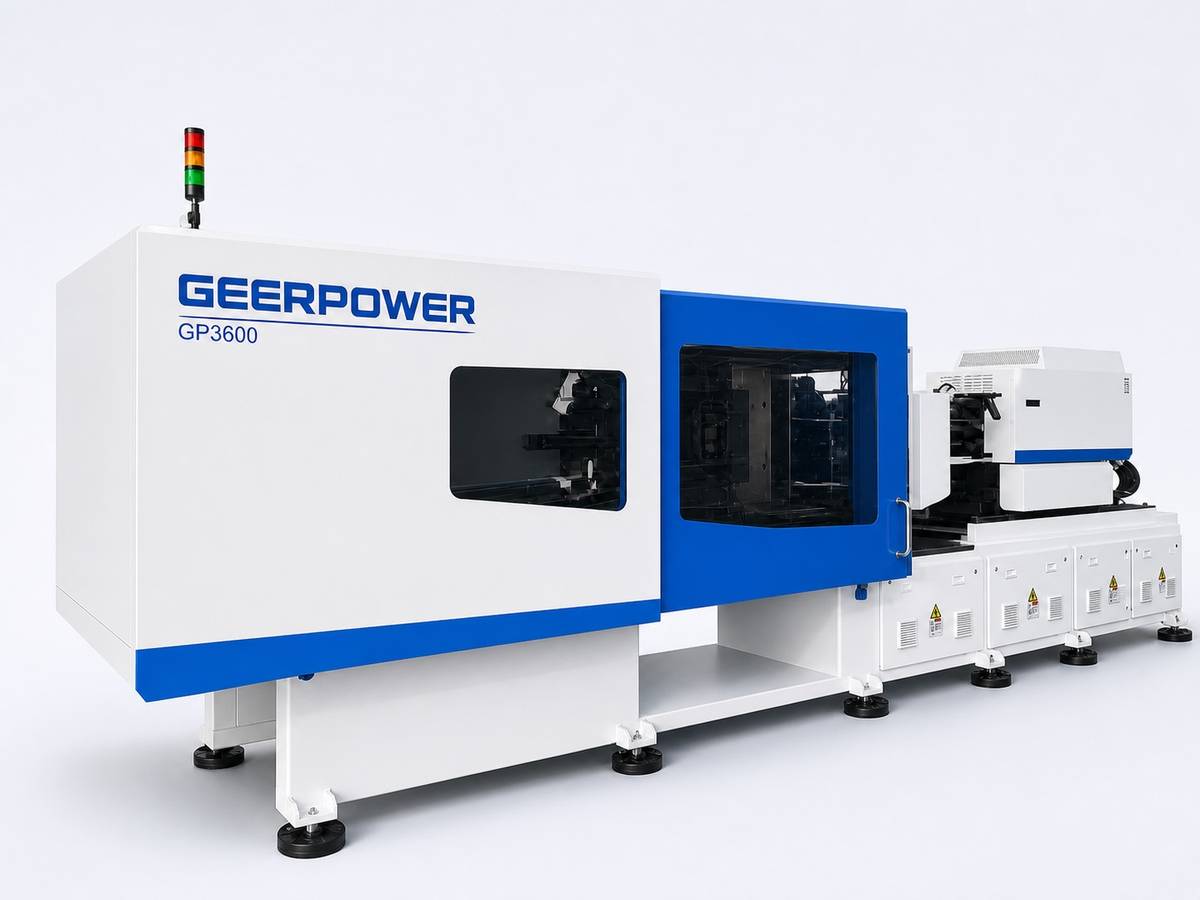
Pipe fitting projects need more than clamp-force math. Use this checklist to define geometry, resin, mold actions, joining scope and acceptance evidence before quotation.
Read guide →A Moldflow-style report is useful only when the assumptions, results, corrections and trial-correlation plan are clear before mold approval.
Read guide →Snap-fit enclosure projects need more than outside dimensions. Use this RFQ checklist to define clips, bosses, resin, mold and assembly-fit evidence.
Read guide →Storage drawers can look simple but fail on slide fit, rim flatness and warpage. Use this checklist before comparing hydraulic machine quotations.
Read guide →Turn subjective appearance comments into a signed review of visible surfaces, finish targets, material context, defect limits and retained samples.
Read guide →Separate mold venting, process, material and part-design causes before accepting burn marks or short shots as corrected.
Read guide →
Keep proven tooling productive. Check mold fit, process transfer, utilities and acceptance before committing to a replacement injection molding machine.
Read guide →A new hydraulic machine should not ship on a verbal ready claim. Use machine identity, function, safety, trial and handover evidence before shipment approval.
Read guide →A turnkey cell quote should define what happens after the molded part leaves the mold: conveyor, cooling, sorting, inspection, packing and labor boundary.
Read guide →Cable reels need more than a diameter and tonnage guess. Use flange, hub, resin, mold and winding-load evidence before sizing a hydraulic machine.
Read guide →Laser marking belongs in the turnkey scope only after the buyer defines resin, code data, fixture logic, verification, rejects and safety evidence.
Read guide →
Steel evidence should connect the quote, certificate trail, heat-treatment route, hardness map and handover file before an export mold is released.
Read guide →A checkweigher is not just a conveyor accessory. The RFQ needs weighing rules, reject logic, data records, calibration and FAT/SAT evidence.
Read guide →Thin-wall packaging projects should start from part geometry, flow demand, cooling and handling evidence, not tonnage alone.
Read guide →Micro-part molding requires proof around shot weight, runner strategy, residence time, handling and measurement before precision claims are useful.
Read guide →Inline regrind belongs in the turnkey scope only when scrap streams, material rules, contamination controls and quality limits are written clearly.
Read guide →Predictive maintenance starts with structured failure, alarm, work-order and operating-context data, not an unsupported AI dashboard promise.
Read guide →Cooling water should be defined before buyers compare tonnage, delivery and price. Separate oil cooling, mold circuits, utilities and acceptance evidence.
Read guide →Medical-part RFQs need the part, mold, resin, quality plan and validation boundary before machine selection becomes meaningful.
Read guide →A turnkey cell should define sprue collection, rejects, granulator boundary, regrind ratio and material segregation before quotation.
Read guide →Energy optimization needs a clean baseline across machine, process, utilities, production mix and governance before AI or software claims are credible.
Read guide →A useful hydraulic machine RFQ should turn safety from a generic statement into written guard, interlock, access and lockout evidence.
Read guide →Thin-wall packaging is not only a speed discussion. Connect the part, resin, mold, automation and acceptance method before requesting a quote.
Read guide →A turnkey cell should be reviewed for daily mold changeover, not only for the first mold trial. Define lifting, clamping, utilities and restart evidence before quotation.
Read guide →Predictive maintenance starts with data discipline, not an AI promise. Define failures, signals, history, connectivity and review rules before evaluating software.
Read guide →A hydraulic machine can match clamping force and still fail the mold interface. Use this RFQ checklist to close ejector, platen and access gaps before quotation.
Read guide →All-electric is a machine route, not a cleanroom validation result. Define the room boundary, transfer path and quality evidence before quotation.
Read guide →Robot take-out scope is more than a robot model. The cell needs agreed signals, guarding, reset logic, tooling and acceptance evidence.
Read guide →Remote monitoring starts with signal quality, network responsibility and human review. A dashboard is not useful if the data and controls are unclear.
Read guide →A useful machine quote starts with the product, mold, output and factory data. Use this project brief to separate confirmed inputs from open evidence.
Read guide →Turnkey should be a written acceptance file, not a vague sales word. Separate pre-shipment evidence from site-dependent acceptance before handover.
Read guide →A press-only quote can miss the cell. Plan drying, conveying, cooling, part removal, scrap handling, utilities and safety access before confirming scope.
Read guide →Use this framework to compare drive routes on project fit, product quality consistency, utility assumptions, and total commercial scope instead of only on machine price.
Read guide →
Move from one-off machine price comparison to a cost framework that captures excluded scope, ownership boundaries, and timeline risks.
Read guide →
Deciding route first prevents wrong assumptions on financing, risk, delivery scope, technical baseline and acceptance obligations.
Read guide →Before sending a GEERPOWER inquiry to Mexico or Turkey, align trade, logistics, utilities, factory readiness and communication timing in one checklist.
Read guide →Most quote delays are from missing scope fields. This flow separates inquiry, route selection, readiness evidence and acceptance planning into a single sequence.
Read guide →Use a fixed cadence of immediate confirmation, clarification and decision checkpoint to reduce inquiry lag and increase conversion quality.
Read guide →A practical cost framework covering capital, energy, downtime risk, service burden, and acceptance impact for all-electric versus hydraulic project routes.
Read guide →Use a destination-ready document packet to reduce delays in customs interpretation, logistics assumptions, and technical handover.
Read guide →Define response SLA and commercial next-step rules to keep buyers moving from questions to actionable project decisions.
Read guide →A production cell succeeds when the machine, mold, material handling, cooling, automation, utilities and delivery plan are treated as one project.
Read guide →Tonnage is only the first filter. A reliable machine choice must also confirm the part, resin, mold, shot size, tie-bar space and target output.
Read guide →The better route is not always the lowest purchase price. Compare configuration certainty, condition evidence, delivery scope and total project value.
Read guide →FROM KNOWLEDGE TO CONFIGURATION
Send the project data and Geerpower will organize the technical questions before confirming a GEERPOWER new-machine or turnkey production-cell scope.
Request a Project Review