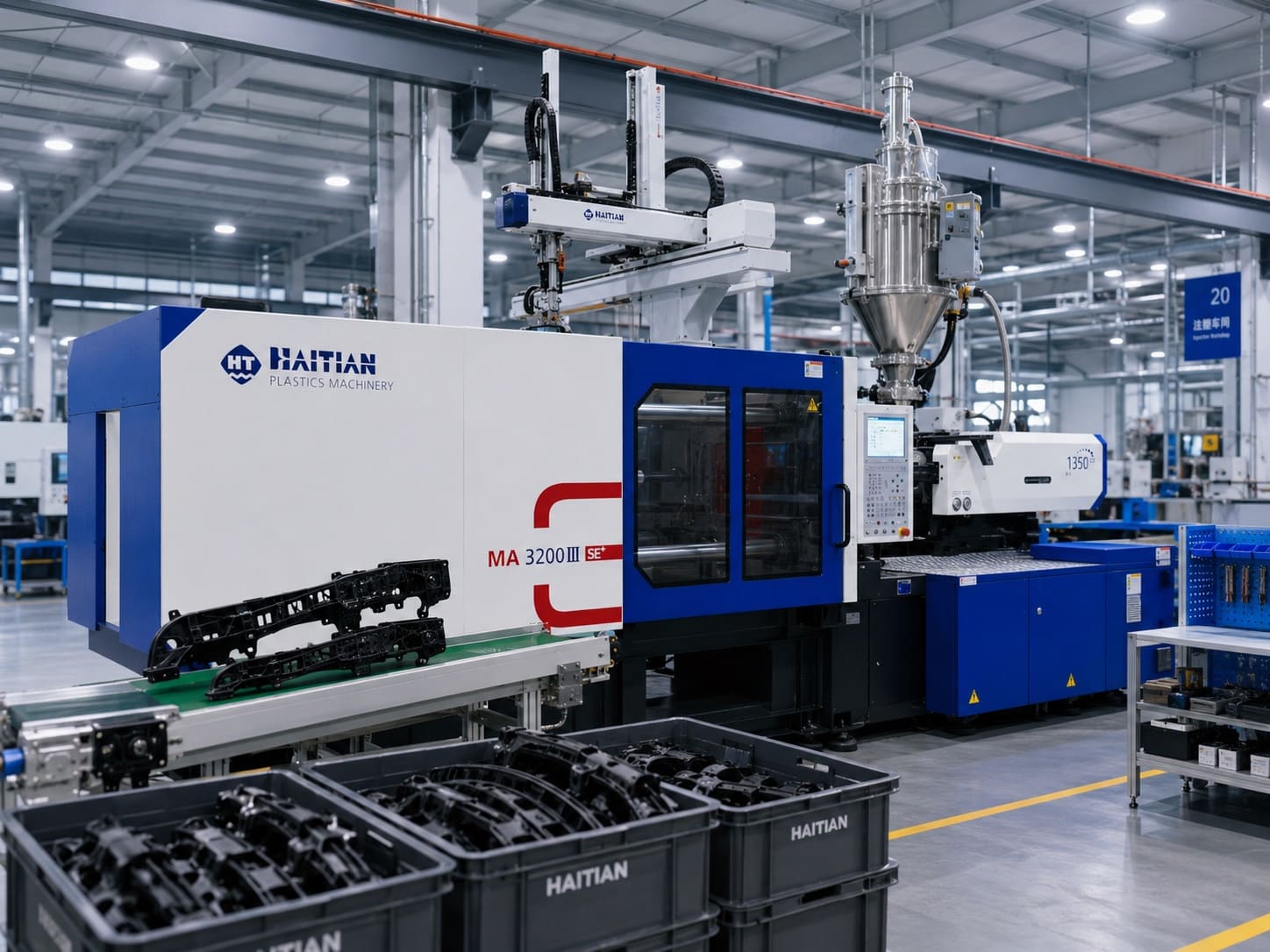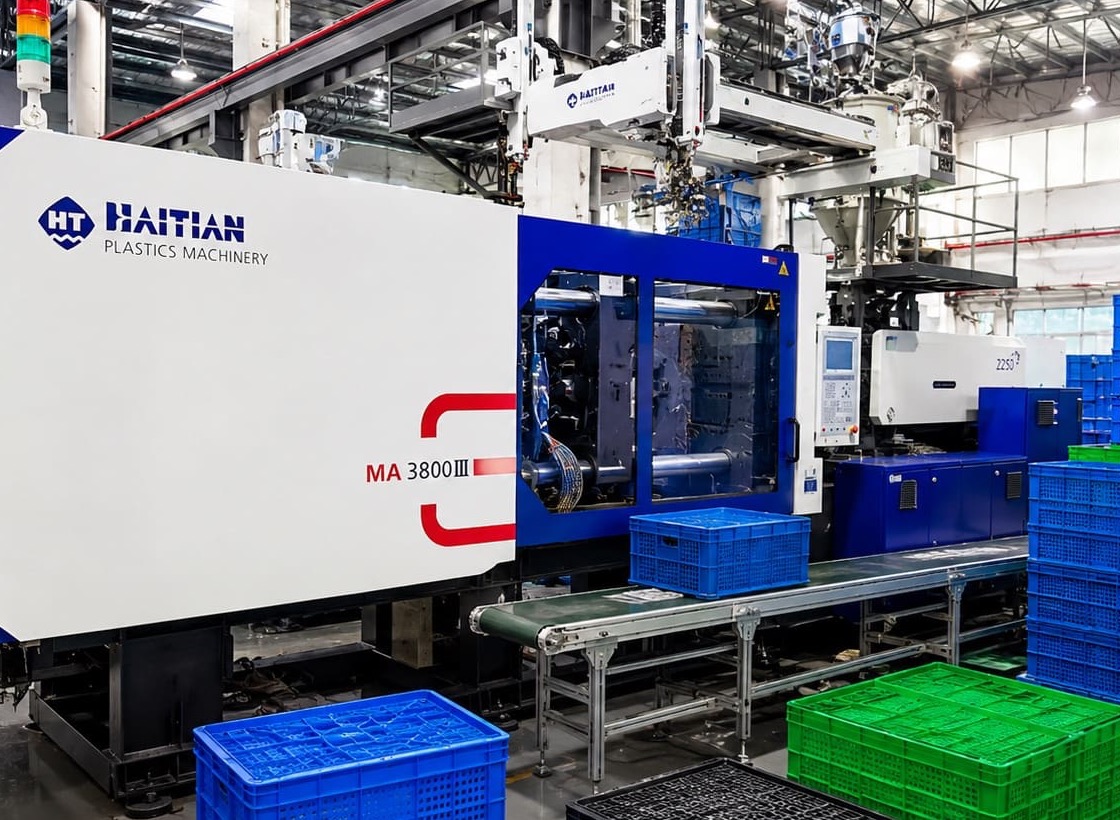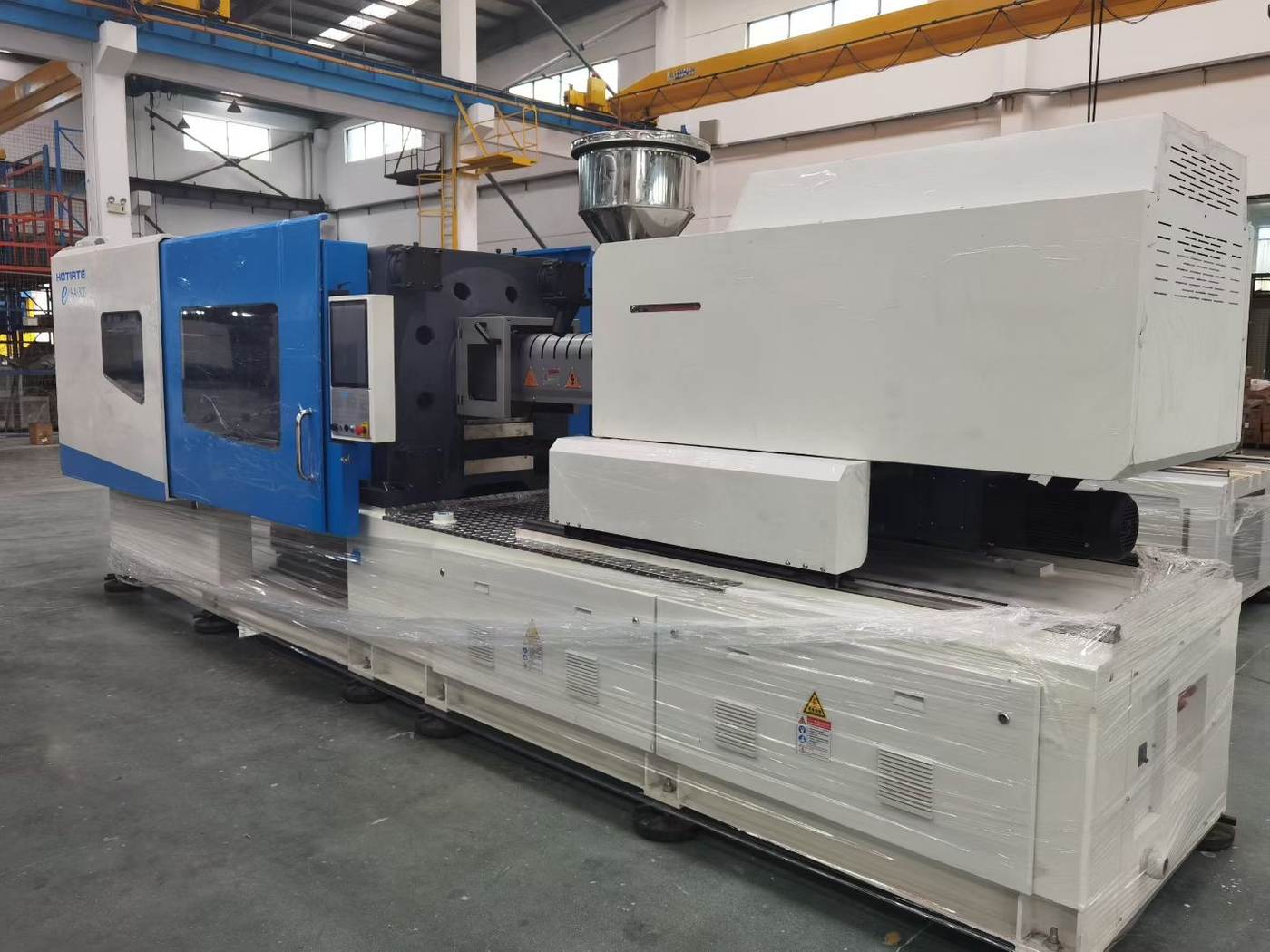
How should we choose between hydraulic and all-electric for our injection molding project?
Choose by the same project baseline: same part family, mold dimensions, output rhythm, utility limits, quality requirements, and acceptance criteria. Compare total project scope—including auxiliaries, utilities, factory readiness, logistics, and commercial responsibility—before selecting the route.
Decision checklist
- Use one set of product, mold, output and factory data before any route comparison.
- Map mold-fit requirements including tie-bar spacing, opening stroke, cycle rhythm, cooling load and ejection behavior.
- Separate route claims from scope gaps: accessories, dryer, lifting, chiller, trial scope and training.
- Finalize ownership of logistics, utilities, trial responsibility and acceptance conditions for each route.
Decision logic before cost comparison
Route selection should not start from unit price. A low machine quote can still fail if mold support, factory utilities, or integration scope are not matched to the buyer's reality.
Use the same product and mold scenario for both routes and check tie-bar spacing, mold height, opening, ejection, and process stability assumptions under the same output target.
Where each route usually fits best
Hydraulic drive structures can fit mixed-load environments where flexibility and retrofit conditions are dominant. All-electric routes are usually favored where precision movement control and long-term stability are highly weighted.
For both routes, utility assumptions, auxiliary equipment, and operator training are often decisive in project outcome and ownership cost.
- Product quality targets and tolerance stability requirements
- Mold complexity: cooling, pull, and clamping geometry
- Factory constraints: power, air, water, and process floor readiness
- Trial and acceptance design and responsibility split
Commercial and acceptance safeguards
Do not compare claims from different test conditions. If one route uses a different material, cycle definition, or destination setup, it is not the same decision.
Document what each route includes and excludes: shipping terms, installation, commissioning, spare parts, and service response windows.
Technical limitations
This framework is a buyer decision structure. It does not replace project trials or destination-specific utility verification.
Material behavior, mold design, and site readiness must still be confirmed by the project file before final purchase recommendation.
Common buyer questions
Can we choose a route without a full factory trial?
A full production-trial route requires factory-side verification. A valid pre-trial decision still requires a complete scope file and clearly separated factory-dependent assumptions.
Which route is usually cheaper?
Cheaper is route dependent. Compare the two with the same scope, acceptance conditions, and utility assumptions before making a commercial conclusion.
Do both routes require the same due-diligence checklist?
Yes. The route label changes, but the commercial and technical due-diligence process should remain project-complete for either option.
Sources and references used for this guide
This guide supports early project planning. Final machine selection and commercial configuration must be confirmed from the actual part, mold, material, factory utilities and production target.