
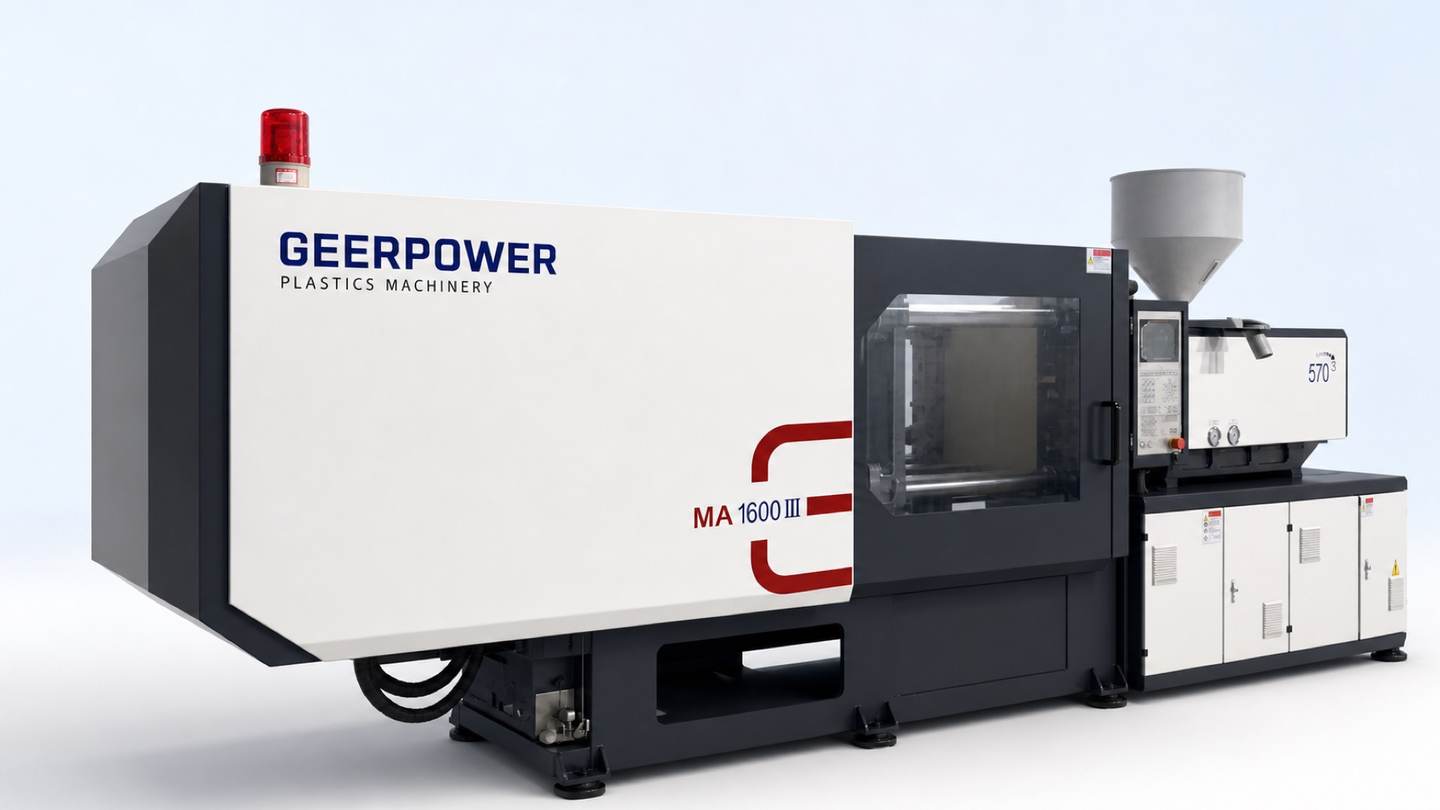
What should be included in an injection molding machine project cost model?
Include machine configuration, mold interface readiness, full production-cell scope, logistics terms, installation and commissioning responsibilities, spare and support strategy, and a named-risk reserve. Any claim outside the confirmed scope should be treated as an excluded assumption.
Decision checklist
- List machine, mold and trial assumptions before any price decision.
- Separate included/excluded scope across accessories, freight, customs, installation and after-sales support.
- Assign ownership and deadline for every unresolved item (documents, tests, utilities, site readiness).
- Add contingency for shipping variation, site adjustments, and integration effort before final approval.
Build a complete cost map, not a headline comparison
A cost map starts with project boundaries, then adds cost blocks in a fixed order: machine base scope, mold interface, production-cell scope, logistics, and commercial risk.
When scope differs, price cannot be compared. The model should define one baseline first, then compare route-specific quotes.
Core cost blocks
Machine scope should include configuration, options, included accessories, and service assumptions. Logistics scope should include packing, named-point responsibility, freight, customs documentation, and unloading assumptions.
Production-cell scope should include robot or loader, drying, chilling, handling, installation support, and training model.
- Machine and controller configuration
- Mold compatibility and test scope
- Auxiliary and handling equipment
- Logistics, customs, documentation and delivery point
- Installation, commissioning, tuning and warranty boundaries
Commercial risk and timeline design
Use a two-column check: confirmed and unresolved. Confirmed items stay in direct cost; unresolved items go to contingency linked to owner and deadline.
This method avoids the common issue where one side includes site delivery and another excludes it while advertising identical base prices.
Technical limitations
This framework supports planning and comparison only. It does not replace destination-specific customs or legal advice, and it does not validate exact performance claims for any one machine.
Any cycle, output, power, and warranty figure should remain confirmed only when backed by the agreed project file and test records.
Common buyer questions
Should shipping cost be included in machine comparison?
Yes. Compare both routes with full logistics assumptions and named-point responsibilities, otherwise cost comparisons will be misleading.
Why is contingency needed in the model?
Because some items become known only after factory readiness checks or shipping confirmation. A visible contingency keeps decision quality high and avoids hidden delay costs.
Can we decide before all documents are finalized?
You can draft a planning decision, but commercial approval should wait until unresolved items have owners and dates in the same project file.
Sources and references used for this guide
This guide supports early project planning. Final machine selection and commercial configuration must be confirmed from the actual part, mold, material, factory utilities and production target.

