
Matched architecture
A recommended hydraulic or all-electric review route tied to the real application.
HYDRAULIC VS ALL-ELECTRIC
A useful comparison keeps the product, resin, mold, output, utilities, destination and acceptance basis the same. Geerpower then reviews where servo-hydraulic or all-electric architecture better fits the complete project.
No universal winner. Energy, cycle, precision, price and payback claims require a confirmed configuration and comparable test conditions.
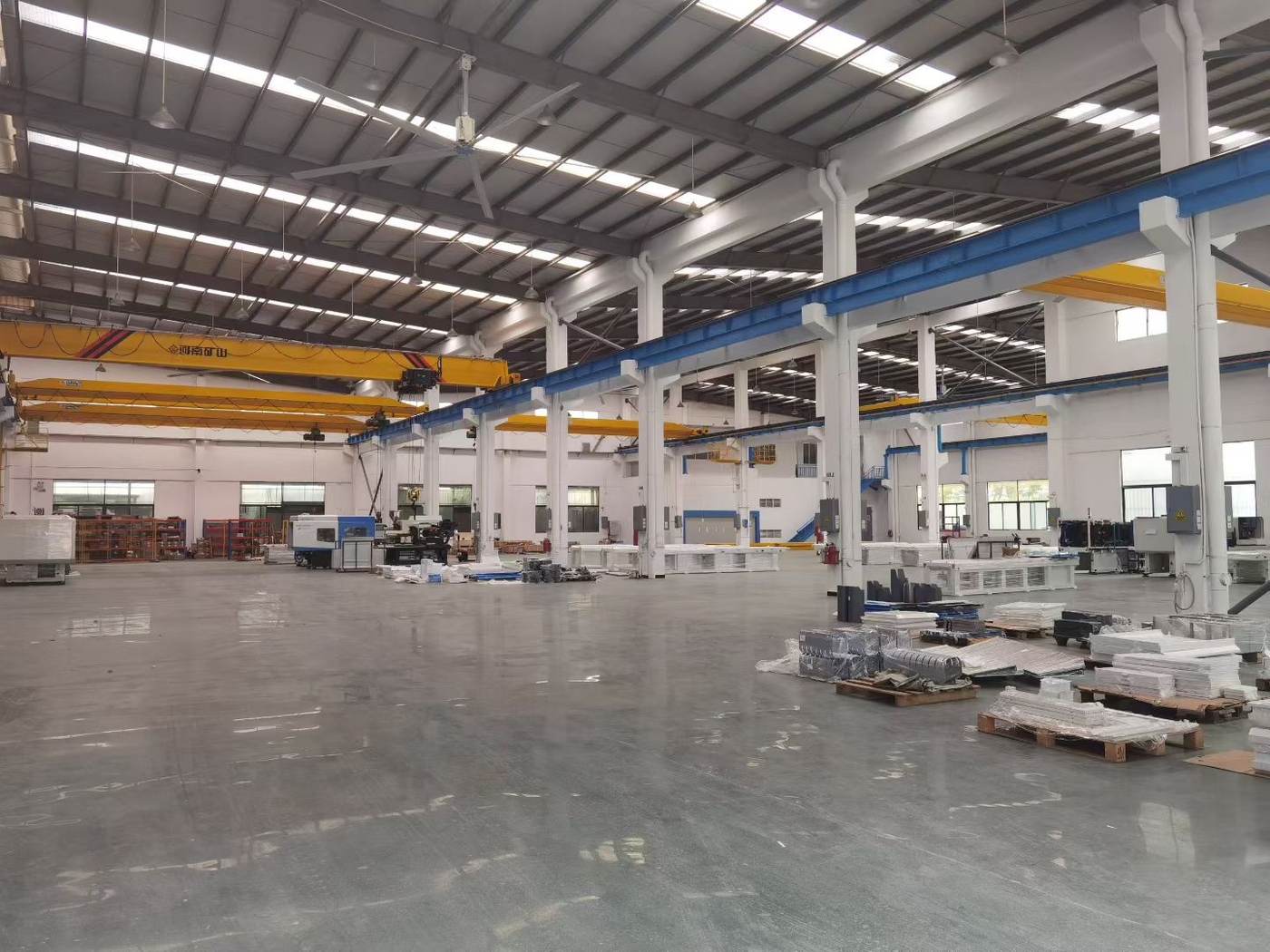
A recommended hydraulic or all-electric review route tied to the real application.
The process, mold, utility, investment and production-environment questions still requiring evidence.
Both routes evaluated against the same project inputs, inclusions and acceptance basis.
DECISION MATRIX
These are review starting points. Final conclusions follow the approved configuration and the evidence available for the buyer's application.
| Decision factor | Servo-hydraulic review | All-electric review | Evidence to confirm |
|---|---|---|---|
| Drive architecture | Servo motor, pump and hydraulic circuits generate and control the required machine motion and force. | Electric servo drives control the principal machine axes through the selected mechanical drive system. | Exact drive, axis and auxiliary configuration |
| Application starting point | A practical route for many general-purpose and industrial molding projects with varied machine and mold requirements. | A strong route when axis control, repeatable process behavior, production environment or energy strategy leads the decision. | Part, resin, tolerance, cycle and output target |
| Mold and auxiliary functions | Hydraulic mold functions and auxiliary circuits can be reviewed within the proposed machine and cell scope. | Core pulls, unscrewing, valve gates and other interfaces must be checked against the selected electric-machine configuration. | Mold drawing, movements and interface list |
| Production environment | Oil management, cooling and housekeeping requirements belong in the factory-readiness review. | Reduced dependence on a central hydraulic drive can support clean-production planning; the complete cell still requires review. | Cleanliness, temperature, water and site conditions |
| Investment and operating case | Initial machine and cell scope should be compared with utilities, maintenance plan, output and expected operating pattern. | Purchase price should be assessed with the same workload, power conditions, maintenance plan and acceptance criteria. | Comparable quote and application-specific test data |
| Acceptance evidence | Performance and energy claims require the confirmed configuration, material, mold and agreed test conditions. | Precision, repeatability, cycle and energy claims require the same application-specific evidence discipline. | One test basis for both machine routes |
SIX INPUTS BEFORE SELECTION
Missing application or mold information can make an apparently precise comparison misleading. Start with what is available and record the open points.
Drawing or clear photo, dimensions, tolerance and quality risks.
Resin grade, additives, moisture or drying needs and part-plus-runner weight.
Dimensions, weight, cavities, hot runner, movements, cooling and interfaces.
Target cycle, hourly or annual output, shifts and planned operating pattern.
Voltage, frequency, water, air, floor space and production-environment requirements.
The evidence and test conditions needed before commercial commitment or shipment.
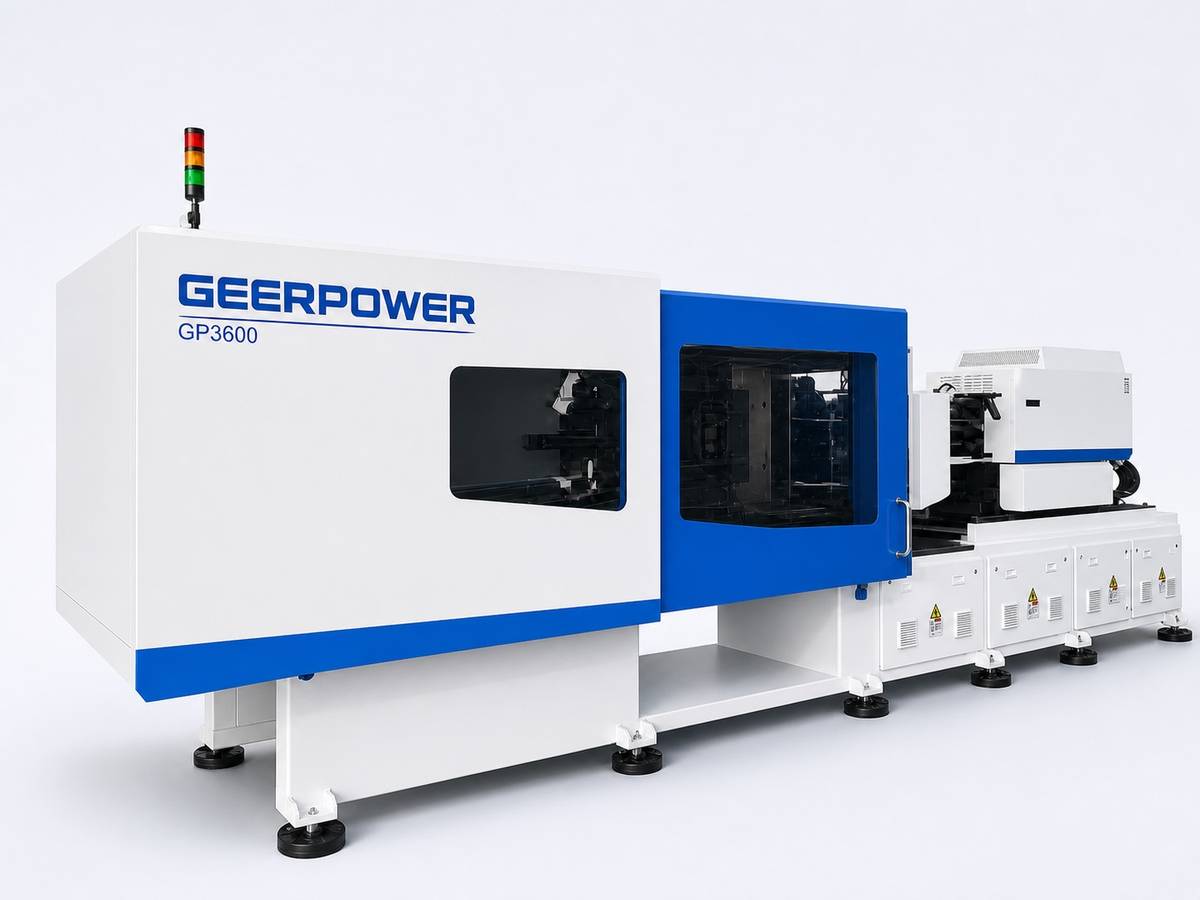 01
01SERVO-HYDRAULIC ROUTE
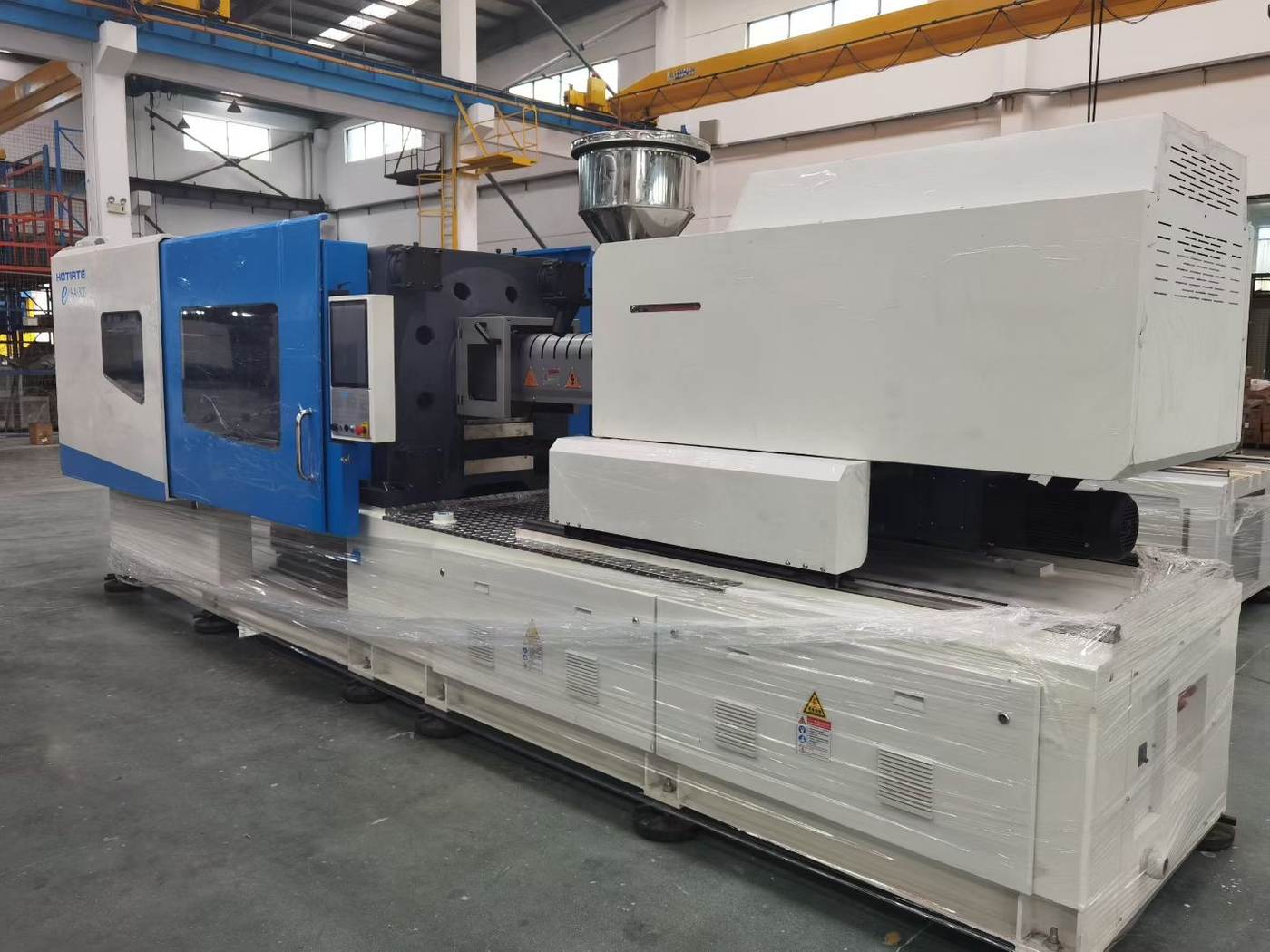 02
02ALL-ELECTRIC ROUTE
COMPARISON WORKFLOW
Keep the part, mold, output, utilities and destination identical for both routes.
Separate must-have process requirements from preferences and unverified assumptions.
Include automation, auxiliaries, utilities, trial, documents and delivery—not only machine price.
Confirm which specification, inspection or application test supports the final recommendation.
DECISION METRICS
Both architectures are evaluated from the same product, mold, output and utility inputs.
In-scope and out-of-scope items are separated before price discussion to reduce later misunderstandings.
Fewer repeated clarification loops by documenting missing inputs as explicit review checkpoints.
COMMON QUESTIONS
A single recommendation is less reliable without equal project data. We use this checklist to avoid false comparison and hidden commercial risk.
Start with a shared input brief first. That is the minimum quality gate for route comparison before any trial planning.
Lower hidden cost comes from matching scope, automation, utilities and support boundaries before finalizing delivery terms.
REQUEST A MACHINE COMPARISON
Attach available product, mold or process files. Geerpower will identify missing inputs and organize a hydraulic-versus-all-electric review before final configuration or quotation.