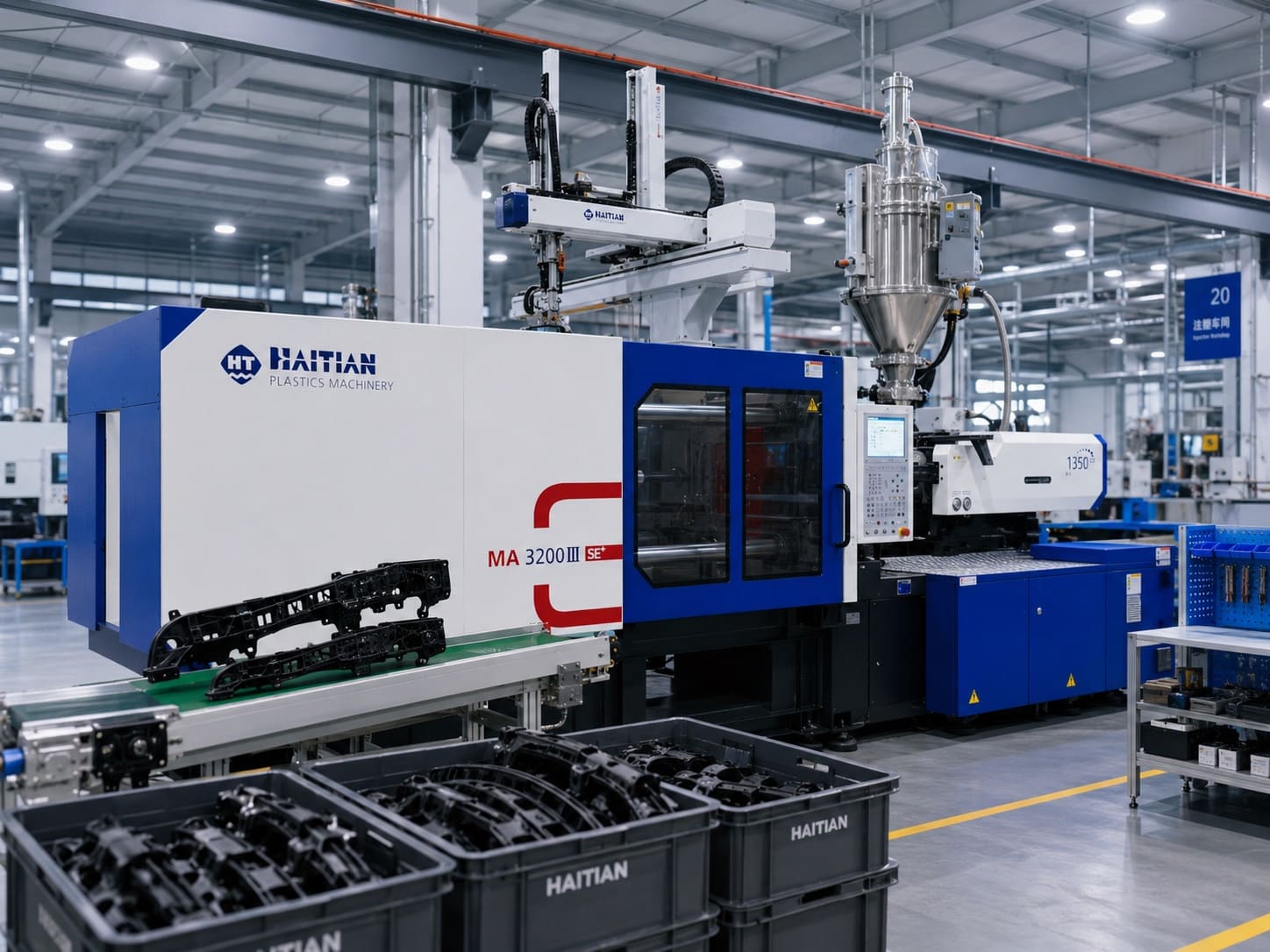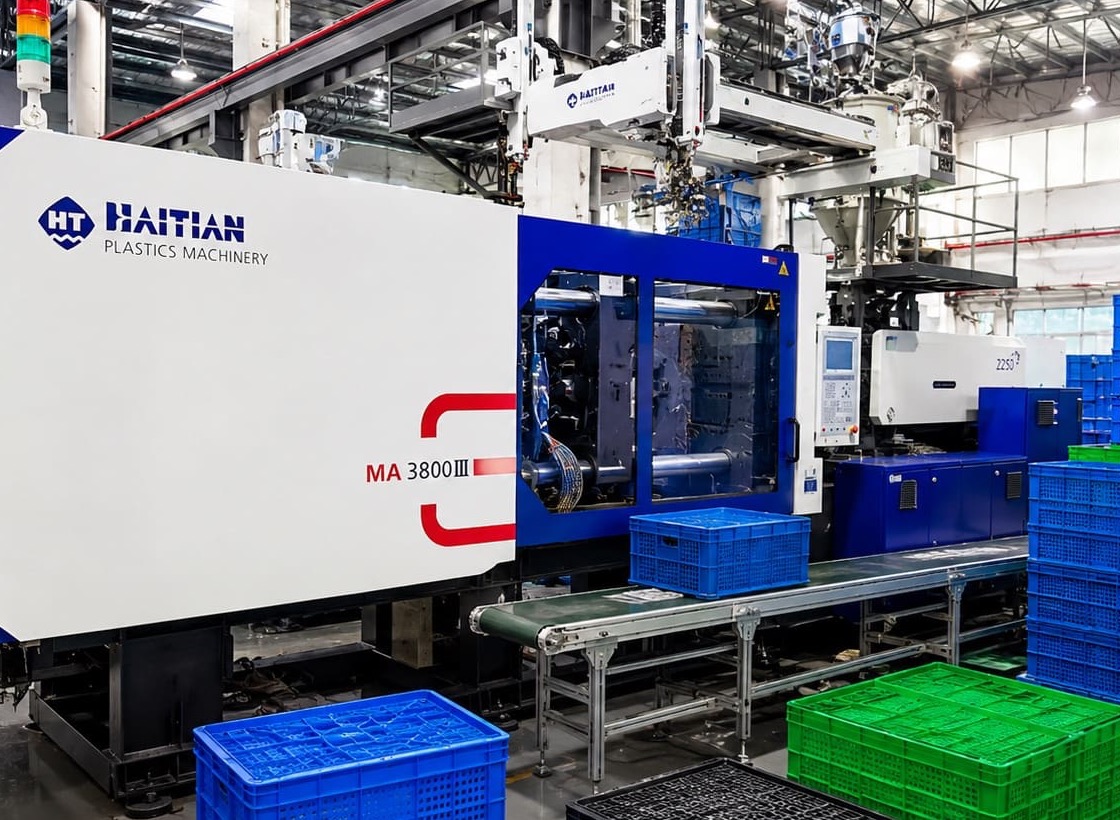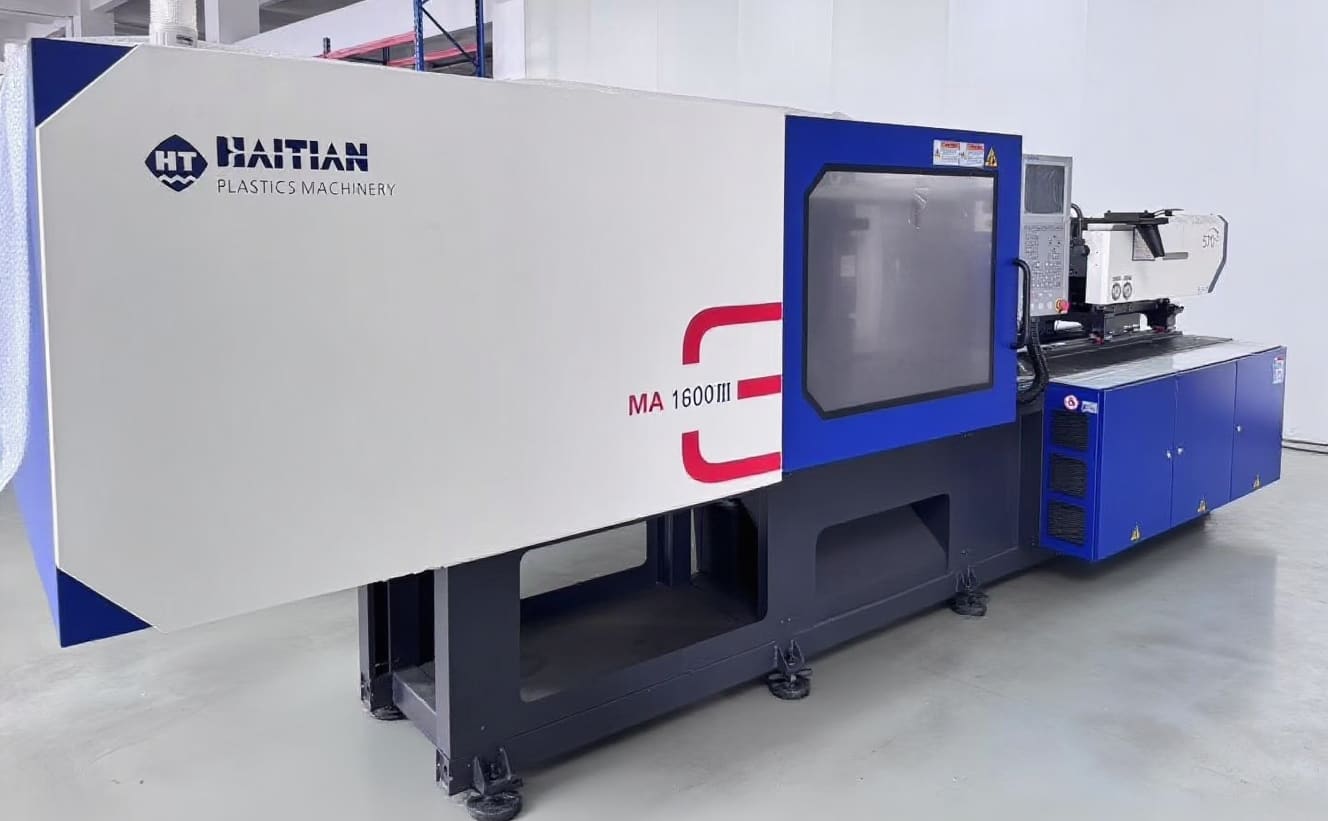
Who owns sprue collection, reject segregation, granulator selection and regrind evidence in a turnkey cell RFQ?
Define whether sprues and rejects are discarded, manually collected, granulated beside the press, moved to a central system or fed back into the process. Resin type, color changes, allowed regrind ratio, contamination controls, granulator boundary, safety guarding, dust controls, price and delivery remain NEEDS_EVIDENCE until tied to the exact GEERPOWER cell.
Decision checklist
- Identify every scrap stream: sprues, runners, purge material, start-up shots and rejects.
- Define whether regrind is allowed for the product and under which quality rules.
- Clarify whether granulator, bins, loaders, dust control and conveying are included.
- Keep material-saving and contamination-control claims as NEEDS_EVIDENCE until project evidence exists.
Scrap route is part of turnkey scope
A turnkey injection molding cell is not complete just because the molding machine, mold and robot are listed. Sprues, runners, start-up parts, rejects and regrind handling can change labor, floor space, contamination risk, material cost, dust control and acceptance criteria.
The RFQ should state whether scrap is discarded, collected, granulated, centrally handled or returned to production under buyer quality rules.
Do not hide regrind and scrap handling behind the word turnkey. Put the material route in the scope table.
Build the regrind scope table
The buyer should define sprue path, reject separation, allowed regrind ratio, granulator location, material handling, dust controls, safety access and cleaning responsibility.
Public granulator and material-handling sources show common equipment categories, but they do not prove a GEERPOWER cell includes those devices or that regrind is approved for a buyer's product.
- Sprue path: manual bin, conveyor, robot drop or granulator feed.
- Rejects: start-up parts, visual rejects, trial samples and short shots.
- Regrind rule: allowed percentage by resin, color and product risk.
- Granulator: beside-press or central, sound, dust and maintenance access.
- Safety: guarding, cleaning, blade access and lockout expectations.
Technical limitations
WITTMANN public pages support discussion of granulators, central material systems and circular-economy concepts. EUROMAP and OSHA references support interface and safety scope discussions.
They do not confirm GEERPOWER equipment supply, regrind percentage, material savings, contamination performance, price or delivery for any exact project.
Common buyer questions
Does turnkey automatically include a granulator?
No. The RFQ must state whether a granulator, bin, conveyor, loader, dust control or central material system is included.
Can all sprues be reused as regrind?
No. Reuse depends on resin, product risk, quality requirements, contamination control, color and buyer approval.
Should scrap handling be reviewed at FAT?
Yes, if the equipment is included. FAT can check flow and interfaces, while final material quality usually needs buyer-side production validation.
Sources and references used for this guide
This guide supports early project planning. Final machine selection and commercial configuration must be confirmed from the actual part, mold, material, factory utilities and production target.