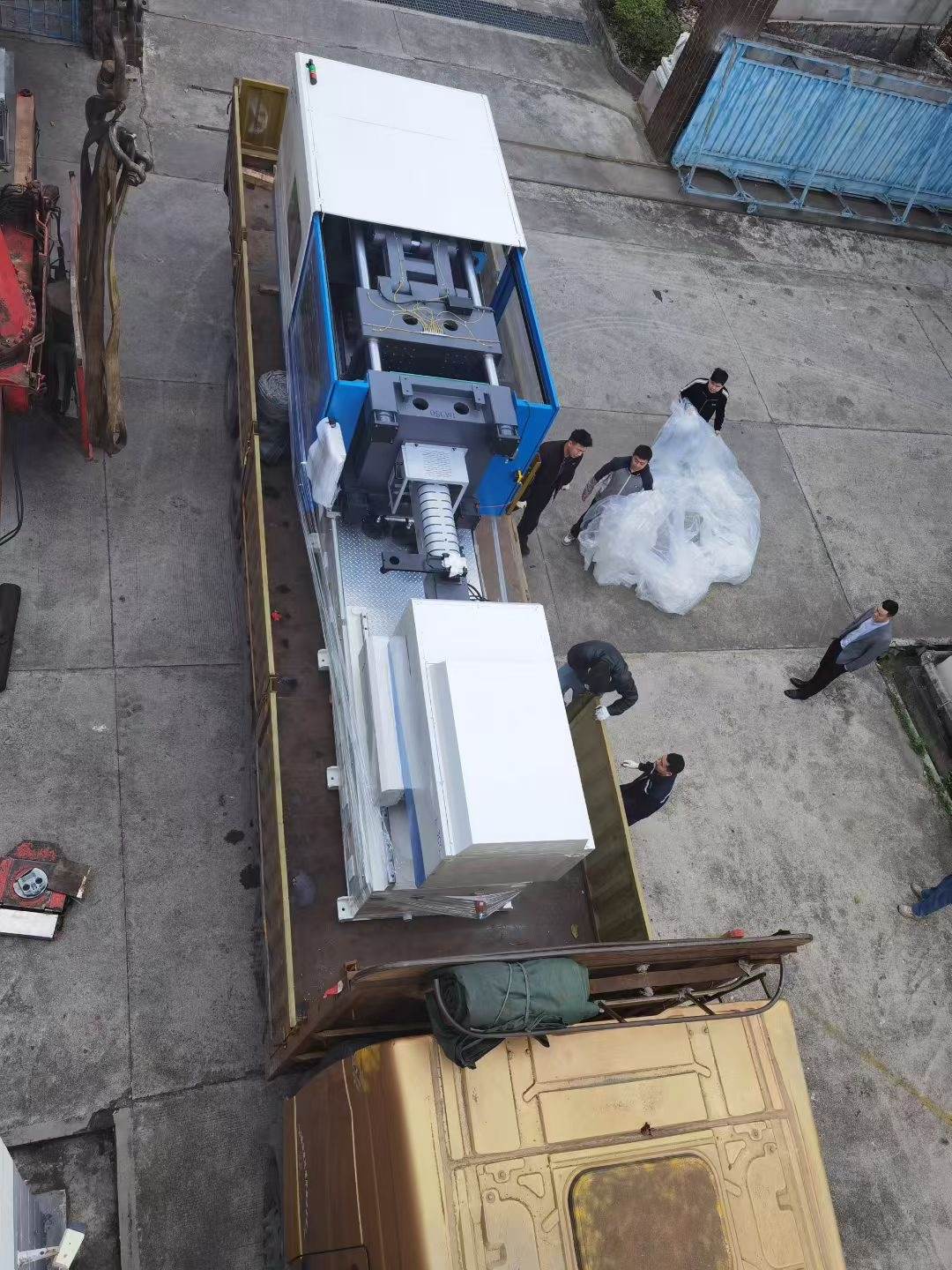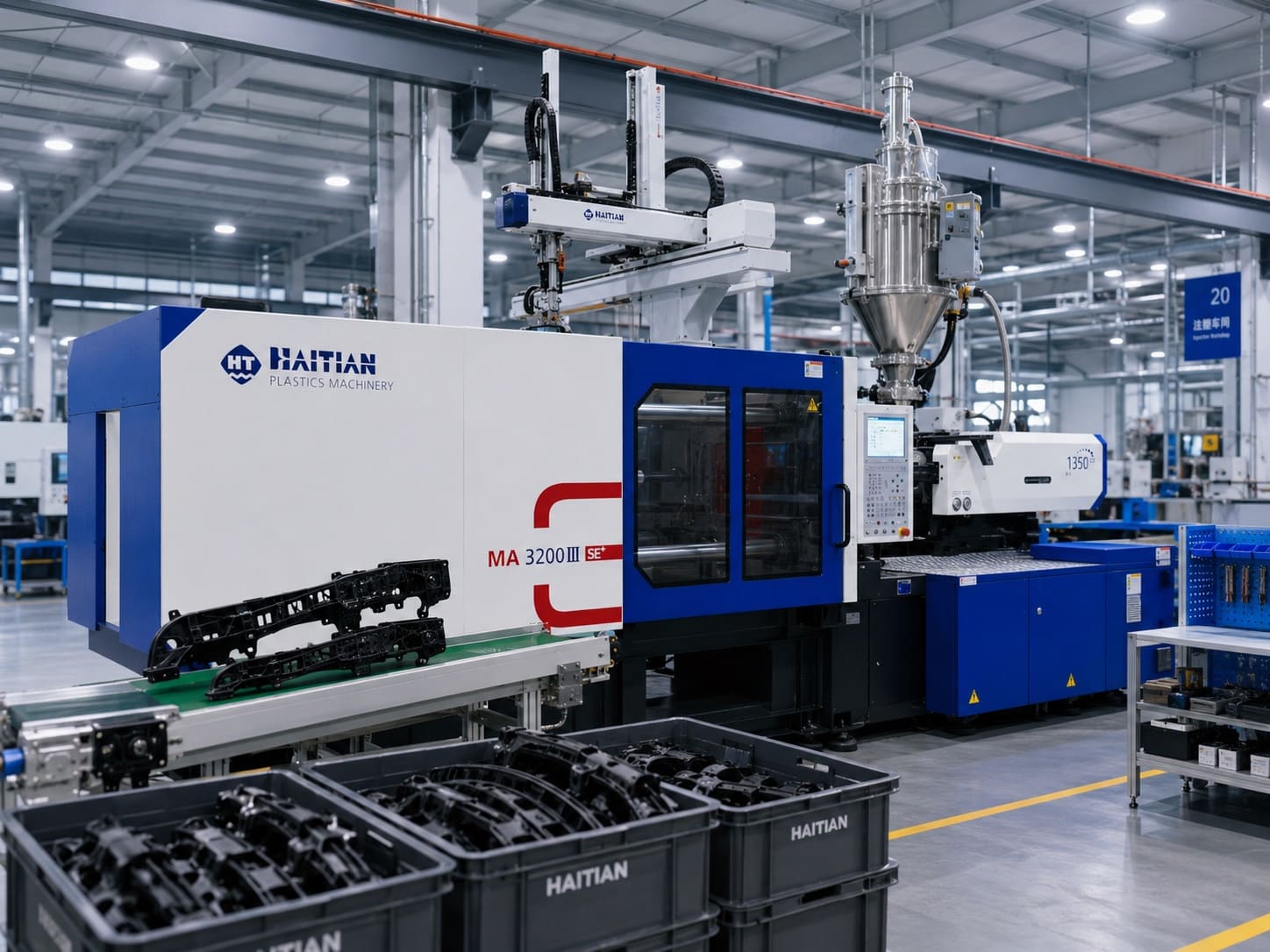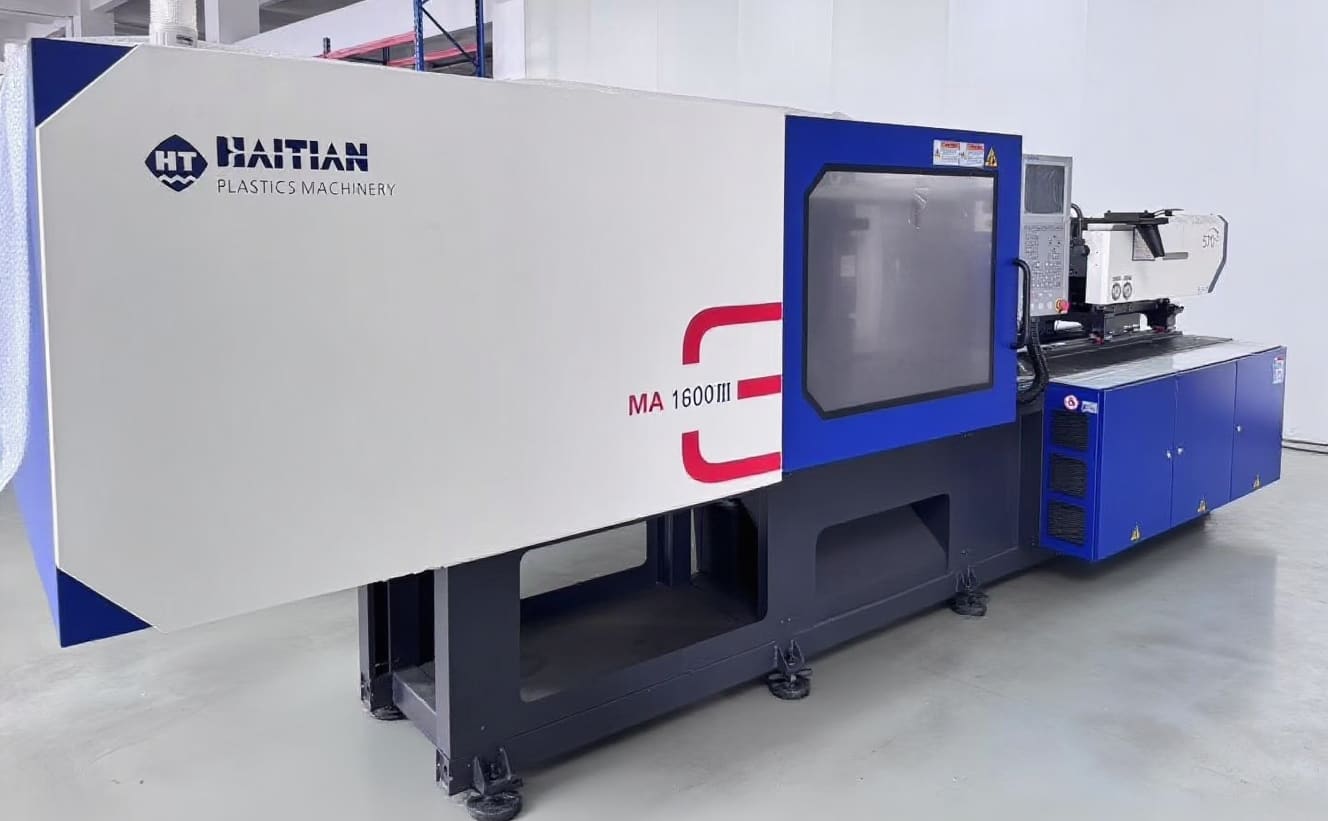
Which machine, robot, downstream and data interfaces should a buyer verify before accepting a GEERPOWER turnkey injection molding cell?
Ask for an interface matrix that lists each machine, robot, downstream and data signal, who supplies it, how it is tested and what record proves it. Keep robot model, safety circuit, wiring implementation, MES connection, cycle time, price and delivery as NEEDS_EVIDENCE until the exact cell layout and test records are available.
Decision checklist
- Send the part, mold, removal direction, downstream process and operator-access expectations before asking for a final turnkey price.
- Separate safety signals, cycle-permission signals, part-presence signals, reject signals, alarms and data records.
- Define whether the project needs local automation only or MES data exchange as part of the delivered scope.
- Require FAT evidence for automatic-cycle permissions, alarm response, reject flow and safe recovery after interruption.
- Keep site-specific SAT items separate from factory-tested FAT items and close open deviations in writing.
Interface scope decides whether turnkey is real
A turnkey injection molding cell is not accepted just because the machine cycles and the robot moves. Buyers need a written interface boundary that ties machine, robot, conveyors, inspection equipment, operator access and optional MES data into one acceptance file.
EUROMAP 67 supports the electrical interface discussion between an injection molding machine and handling device or robot. EUROMAP 77 and OPC UA plastics work support data-exchange planning. These references help frame the checklist; they do not prove that any individual GEERPOWER cell includes a selected robot, wiring route, data protocol or MES connection.
Automation interface acceptance table
Use this table during RFQ review, FAT planning and SAT handover. The final acceptance rule must come from the exact product, mold, cell layout and buyer data requirement.
| Review item | Buyer should provide | GEERPOWER should clarify | Evidence status |
|---|---|---|---|
| Cell layout | Product drawing, mold data, part-removal route and downstream process | Machine, robot, conveyor, inspection and operator-access boundary | NEEDS_EVIDENCE until layout is frozen |
| Safety handshake | Destination safety expectations, access points and reset philosophy | Safety stop, reset, guard, robot permission and mold-area-clear behavior | NEEDS_EVIDENCE until the safety circuit is documented |
| Machine and robot signals | Automatic mode, part removal, reject and alarm expectations | Which signals follow EUROMAP 67 or another agreed interface | NEEDS_EVIDENCE until wiring and signal tests exist |
| Downstream equipment | Conveyor, printer, vision, assembly or packing expectations | Start, stop, jam, ready, reject, counter and alarm signal boundary | NEEDS_EVIDENCE until each device is listed |
| Data interface | Production data, job data, alarms and quality-record expectations | Whether EUROMAP 77, OPC UA, local export or no MES connection is in scope | NEEDS_EVIDENCE until implementation is proven |
| FAT and SAT records | Trial mold, resin, test sequence and acceptance rule | Which checks happen before shipment and which wait for site commissioning | NEEDS_EVIDENCE until records are signed |
What to reject before acceptance
A running video is useful evidence, but it should not replace a signal checklist. The buyer should be able to trace every automatic permission, interruption, alarm, reject and recovery behavior to an agreed test record.
If MES data is required, local machine operation is not enough. The RFQ should say which data points matter, who owns the connection, how the interface is tested and what happens when data exchange is deferred to site commissioning.
- Unlisted robot model, gripper or downstream device
- No signal matrix for automatic mode, robot permission, reject and alarm states
- MES or OPC UA wording without data points, owner and test method
- Cycle-time or unmanned-operation claims without exact project records
Route open items into project review
GEERPOWER should avoid claiming final robot selection, automatic cycle time, unmanned production, safety-category compliance, MES connection, data dashboard, price or delivery without exact project records.
Send the product drawing, mold data, robot expectations, downstream device list, data requirement and FAT/SAT checklist through GEERPOWER project review so confirmed scope can be separated from NEEDS_EVIDENCE items.
This guide is an acceptance planning aid. It is not proof that a specific GEERPOWER turnkey cell has been wired, connected or accepted.
Common buyer questions
Is EUROMAP 67 enough to accept a turnkey robot cell?
No. EUROMAP 67 helps frame the machine and robot interface, but the buyer still needs the actual wiring, safety behavior, signal matrix, automatic-cycle test and FAT/SAT records for the exact cell.
Does MES data exchange belong in every turnkey cell?
No. Some projects only need local machine and robot automation. MES or data exchange should be included only when the RFQ defines the required data, protocol, owner, test method and handover record.
Can a running video replace an interface checklist?
No. A running video is helpful evidence, but it should be tied to a signal checklist and acceptance record. A video alone does not prove every safety, alarm, reject and data boundary.
Sources and references used for this guide
This guide supports early project planning. Final machine selection and commercial configuration must be confirmed from the actual part, mold, material, factory utilities and production target.