
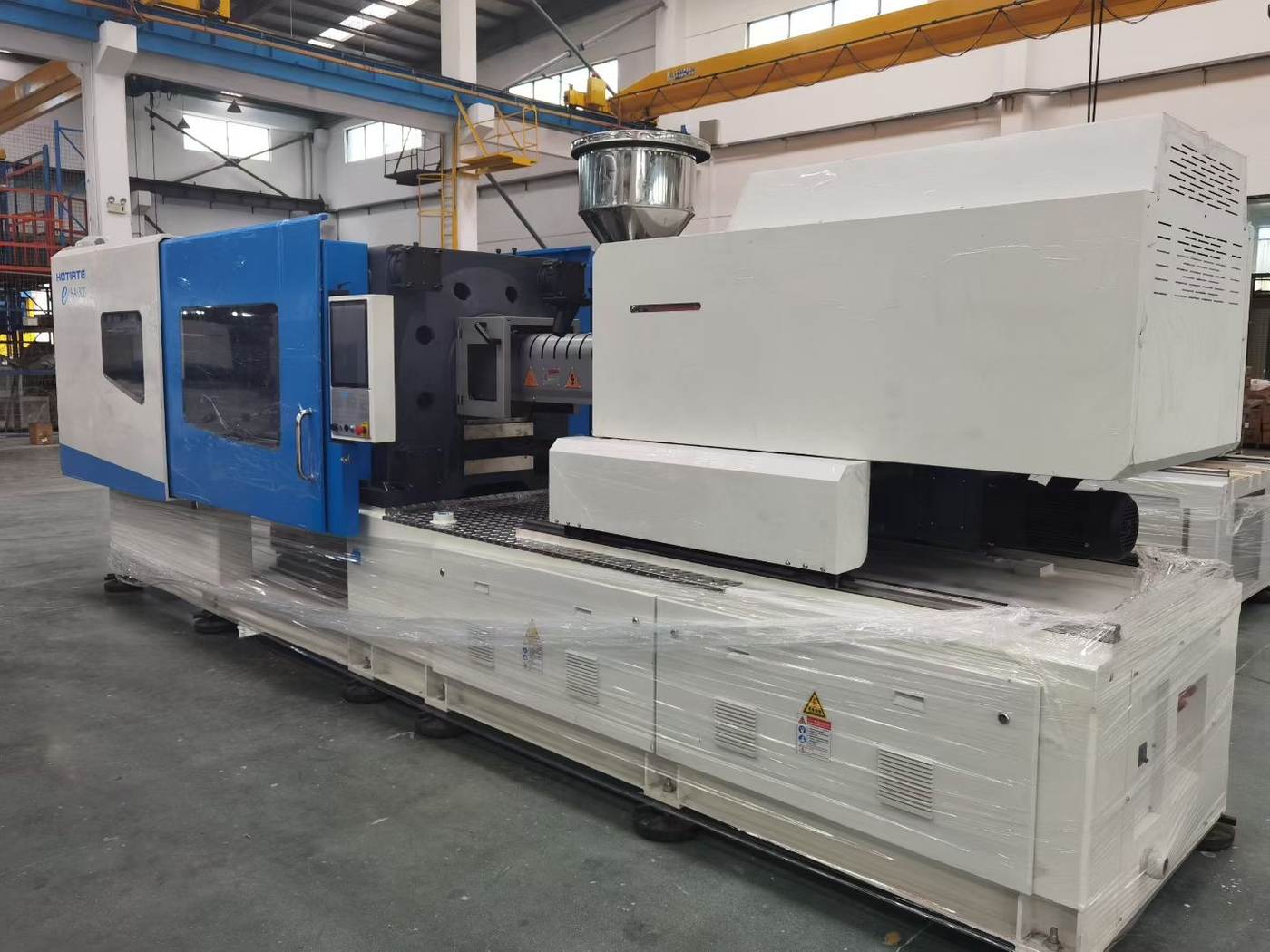
What evidence should buyers prepare before asking GEERPOWER to quote an all-electric machine for snap-fit electronics enclosures?
Prepare drawings, resin grade, wall-section rules, snap-hook dimensions, boss design, cosmetic surfaces, mold size, cavity count, dimensional inspection points and assembly-fit tests. Keep selected machine model, snap-fit life, sample approval, cycle, price and delivery as NEEDS_EVIDENCE until documented for the exact project.
Decision checklist
- Mark snap hooks, latch faces, screw bosses, ribs and cosmetic zones on the drawing.
- State resin grade, color, flame-retardant expectation and appearance standard.
- Provide part weight, projected area, mold size and cavity count when available.
- Define assembly-fit checks for gap, flushness, retention force and screw torque.
Snap-fit details drive the RFQ
A snap-fit electronics enclosure is not just a cover and base. Clip deflection, boss strength, wall thickness, latch access, weld-line location, ejection and cosmetic surfaces can all affect the machine, mold and acceptance route.
Before GEERPOWER reviews an all-electric route, the buyer should share the 2D or 3D drawing, resin assumption, mold basis and assembly expectation. Photos can help orientation, but they cannot replace dimensions and acceptance rules.
Treat snap-fit geometry and assembly checks as quotation inputs, not as details to solve after machine selection.
Use a snap-fit enclosure evidence table
A written table helps separate cosmetic enclosure needs from functional latch and boss requirements. Each line should be marked confirmed, open, excluded or waiting on buyer data.
The table should also show where a result depends on downstream assembly or buyer validation rather than on the molding machine alone.
| RFQ item | Buyer should provide | GEERPOWER should clarify |
|---|---|---|
| Snap-fit geometry | Hook style, deflection distance, latch force target and expected assembly cycles | Stress, release access and mold-release risk |
| Resin and compliance | Resin grade, color, flame-retardant need and cosmetic standard | Drying, shrinkage, venting and process-window implications |
| Boss and rib design | Screw-boss locations, rib layout, wall thickness and sink-mark limits | Packing, cooling, warpage and inspection points |
| Mold basis | Mold dimensions, cavity count, runner, cooling, venting and ejection concept | Machine fit, shot size, clamp route and ejector interface |
| Assembly acceptance | Cover/base fit, gap, flushness, clip retention, screw torque and cosmetic limit | Checks that belong to molding, fixture validation or buyer-side assembly |
Keep project claims evidence-gated
Protolabs and Avient guidance both point to part design, wall thickness, material behavior and mold design as important injection-molding inputs. Those references support the review checklist, but they do not prove the result of a specific GEERPOWER enclosure project.
GEERPOWER should not imply confirmed snap-fit life, selected all-electric model, mold ownership, sample approval, cycle time, price or delivery unless the exact project evidence is available. Missing project details stay as NEEDS_EVIDENCE.
Common buyer questions
Can GEERPOWER quote a snap-fit enclosure from outside dimensions alone?
No. The review also needs snap-hook geometry, resin, wall sections, boss design, mold size, cavity count, projected area, part weight and the assembly acceptance rule.
Is all-electric automatically required for snap-fit enclosures?
No. The all-electric route should be reviewed when process repeatability, dimensional control, production environment or automation interface is important. Final selection still depends on the part, mold, output and factory data.
What evidence matters most before approving samples?
Review dimensional points, cover/base fit, latch retention, screw-boss behavior, cosmetic limits, warpage, open issues and whether the sample was made with the agreed resin and mold conditions.
Sources and references used for this guide
This guide supports early project planning. Final machine selection and commercial configuration must be confirmed from the actual part, mold, material, factory utilities and production target.