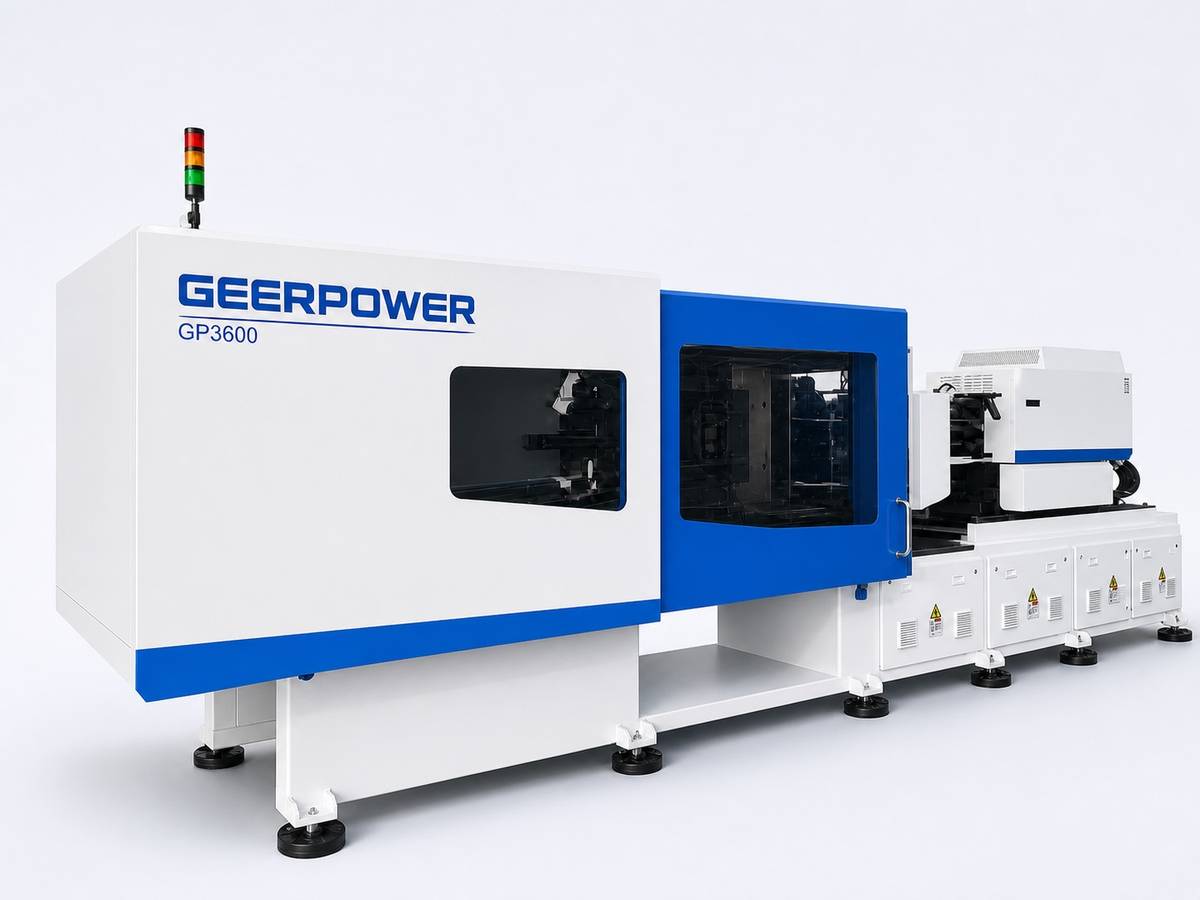
What should buyers prepare before asking GEERPOWER to quote an all-electric injection molding machine for optical light guides or transparent lenses?
Prepare the part drawing, optical surface map, PMMA or PC resin route, wall-thickness map, gate and runner concept, mold-polish requirement, stress-inspection method, cosmetic defect list, handling plan and sample acceptance rule. Keep machine model, optical pass, stress result, yield, cycle time, cleanroom grade, price and delivery as NEEDS_EVIDENCE until documented for the exact project.
Decision checklist
- Mark optical surfaces separately from structural ribs, bosses and hidden mounting areas.
- Provide resin grade, drying instruction, color and optical property requirement before machine sizing.
- Define visible defects such as gate blush, weld lines, haze, scratches, sink and stress patterns.
- Separate confirmed all-electric machine scope from handling, inspection and sample-approval items that remain open.
Optical RFQs need more than clear-resin notes
Transparent light guides, lenses and optical covers are not normal clear plastic parts. The buyer should define which surfaces control light, which areas are structural, and which defects are unacceptable before GEERPOWER reviews an all-electric machine route.
The RFQ should also separate resin route, drying, thick-wall cooling, gate location, mold polish, venting, ejection marks, dust handling, scratch control and inspection method. A photo can support orientation, but it cannot replace an optical-zone map and sample-approval rule.
Do not treat transparency alone as optical approval. Stress, haze, gate marks, flow lines and handling damage need project-specific evidence.
Use an optical-part RFQ evidence table
A written table keeps the quote grounded in evidence instead of broad precision language. Each item should be marked confirmed, excluded or waiting on buyer data.
This format also helps decide whether robot take-out, trays, dust control, inspection fixtures and packaging belong in the GEERPOWER project scope.
| RFQ item | Buyer should provide | GEERPOWER should clarify |
|---|---|---|
| Optical function | Light guide, lens, cover or diffuser role with optical surface map | Which surfaces cannot accept gate marks, ejector marks, scratches, haze or flow lines |
| Resin route | PMMA, PC or other transparent grade, color, UV or heat requirement | Whether drying, screw route, residence time and handling affect transparency |
| Wall thickness | Thick lens, thin cover, ribs, bosses and flow-length map | Whether cooling, shrinkage, sink, stress or cycle assumptions need review |
| Mold and gate | Mold polish, venting, gate location, runner balance and ejection concept | Whether optical surfaces are protected from marks and stress concentration |
| Acceptance | Haze or transmission method, visual standard, stress check and retained samples | FAT/SAT records, sample quantity, open issues and approval owner |
Keep optical claims evidence-gated
Covestro's optical-material guidance, Makrolon polycarbonate information and Trinseo's PLEXIGLAS processing page support the review framework for transparent resin and optical-part planning. They do not prove any specific GEERPOWER output, selected machine model or sample approval.
GEERPOWER should avoid claiming optical-grade production, cleanroom certification, stress approval, yield, cycle time, sample pass, price or delivery without exact project evidence. Missing project details stay as NEEDS_EVIDENCE.
Common buyer questions
Is an all-electric machine enough to guarantee optical quality?
No. The all-electric route can be relevant for precision movement and repeatability, but optical quality depends on the part design, resin, mold finish, gate, venting, cooling, stress control, handling and inspection records.
Should PMMA and PC use the same RFQ checklist?
They can share the same evidence framework, but resin drying, temperature window, optical target, impact need, UV need, wall thickness and handling should be reviewed separately for the exact project.
Can a buyer approve optical parts from photos only?
No. Photos are useful for visible defects, but optical approval should also include the agreed lighting condition, sample quantity, inspection method, optical-zone map, stress or haze check where required and retained samples.
Sources and references used for this guide
This guide supports early project planning. Final machine selection and commercial configuration must be confirmed from the actual part, mold, material, factory utilities and production target.