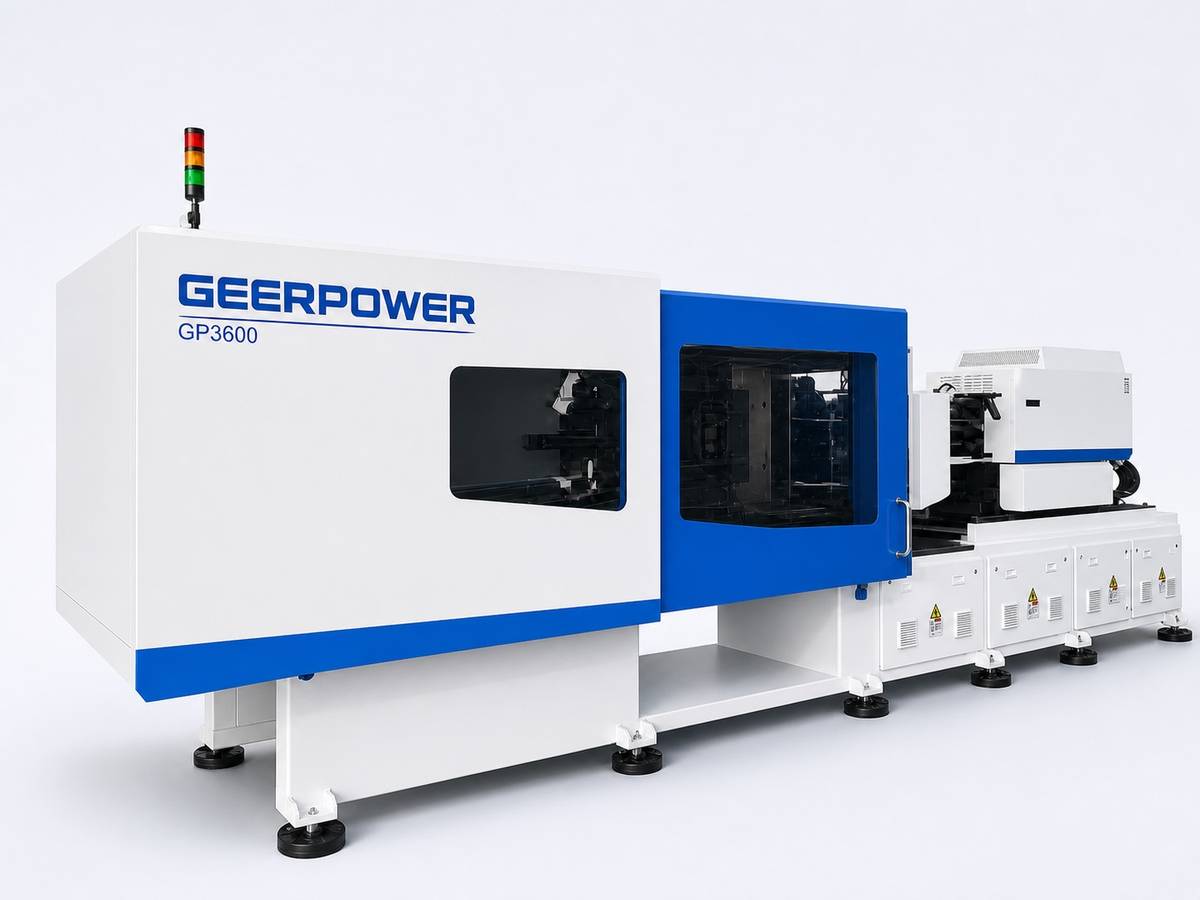
What should a buyer prepare before requesting an all-electric injection molding machine quotation for laboratory trays?
Start with the released part drawing, intended use, material specification, critical interfaces, handling route and acceptance plan. Ask suppliers to connect those inputs to a proposed machine, mold and production cell. An all-electric drive is a configuration choice, not evidence that the finished tray meets dimensional, cleanliness or end-use requirements.
Decision checklist
- Identify the intended use, contact surfaces and released drawing revision.
- Specify material grade, additives, functional dimensions and stacking requirements.
- Separate machine-only scope from mold, handling, inspection and packing responsibilities.
- Agree the sample plan, measurement method, acceptance owner and site-dependent checks.
Define what the tray actually does
This guide covers purchasing preparation for trays, tube racks and carriers. It does not establish requirements for a medical device or certify an assay-contact product. Those decisions belong in the buyer's product specification and qualification process.
A carrier that transports sealed containers has a different brief from a product whose surface contacts a sample. Before comparing machines, describe the contact surfaces, handling equipment, cleaning exposure, storage conditions and packing route. Identify whether stacking is only for transport or must work in an automated feeder.
The ANSI/SLAS microplate footprint standard shows why buyers should name the exact interface basis when trays or carriers must work with laboratory automation. A nominal laboratory-tray description is not enough to define gripping, stacking, locating or acceptance evidence.
Sumitomo SHI Demag's medical-industry overview and all-electric machine specifications illustrate why machine-route selection should be tied to cleanliness expectations, repeatability needs, mold fit and project scope. These references do not qualify a GEERPOWER project or prove any buyer-specific production result.
Turn the RFQ into a decision worksheet
The following is a proposed purchasing worksheet, not a statement of achieved production results. Complete the buyer-input column before treating supplier proposals as directly comparable.
| Decision | Buyer input to record | Evidence to request | Keep the decision open when |
|---|---|---|---|
| Product identity | Drawing revision, intended use, contact surfaces | Supplier review against the same revision | The quote refers only to a photograph |
| Material | Exact grade, colorant, permitted additives and regrind policy | Named material basis and documented exceptions | The proposal says only PP or laboratory grade |
| Flatness and fit | Datum scheme, limits, measurement support and conditioning | Inspection method tied to drawing features | A visual check replaces the specified measurement |
| Stacking | Mating-part revision, stack configuration, separation method | Agreed stack and separation demonstration | One isolated sample is the only evidence |
| Machine and mold | Cavity plan, part and runner mass, mold envelope | Proposed injection unit, clamp and interface rationale | Selection is based only on tray weight |
| Handling and packing | Contact restrictions, orientation, reject route and packing boundary | Cell layout and responsibility matrix | The quote ends at part ejection |
| Acceptance | Sample plan, traceability and release authority | Signed protocol and result-record format | Pass or fail depends on an unwritten expectation |
Ask for a configuration rationale rather than a drive label
When considering the all-electric route, ask the supplier to explain the proposed configuration against this particular part and mold. Request the assumptions behind the injection-unit choice, mold fit, ejection arrangement and production target. Do not accept a generic precision claim in place of the agreed sample evidence.
Separate the machine-only offer from the complete production-cell scope. A useful comparison identifies who supplies the mold, part-removal tooling, stacking equipment, inspection station and packing equipment, and who is responsible for making their interfaces work. No quoted component should silently become a buyer-side obligation.
Make sample acceptance reproducible
Use this sequence as a proposed procurement control. The responsible buyer and supplier must agree the sample size, limits and method; this guide supplies no universal numerical thresholds.
If the destination handling system is unavailable at the supplier's factory, record which checks remain site-dependent. A fixture demonstration should not be described as proof of compatibility with equipment that was not present.
- Freeze the drawing, resin and tooling revisions used for the trial.
- Identify samples by cavity, collection time and relevant process record.
- Agree how parts are supported and conditioned before measurement.
- Measure critical dimensions and flatness against the named datums.
- Demonstrate stacking and handling with the agreed mating equipment or document any substitute fixture.
- Record deviations, corrective actions, owners and the retest required for closure.
Prepare the next review
Send the drawing revision, material specification, interface details, handling concept and acceptance priorities through the GEERPOWER project review form. Identify missing information explicitly. Machine selection, production results, qualification, price and delivery should be confirmed through the project review rather than inferred from this guide.
Project-specific claims remain NEEDS_EVIDENCE until supported by the relevant project records. This guide does not establish a cleanroom class, sterility or medical approval.
Common buyer questions
Does an all-electric machine make a tray sterile or medically approved?
No. The machine drive does not establish those outcomes. Define the product's actual requirements and the responsible qualification route separately. Do not import another manufacturer's product claims into your own project.
Is a standard footprint enough to obtain a firm quotation?
No. Provide the exact applicable drawing or standard revision, tolerances, material and functional interfaces. A nominal footprint alone does not define gripping, stacking, flatness or acceptance.
Can a quoted cycle time be treated as accepted output?
Treat it as a proposal until the agreement defines the trial conditions, acceptable-part criteria and evidence required. Keep projected output distinct from demonstrated results.
Sources and references used for this guide
This guide supports early project planning. Final machine selection and commercial configuration must be confirmed from the actual part, mold, material, factory utilities and production target.