
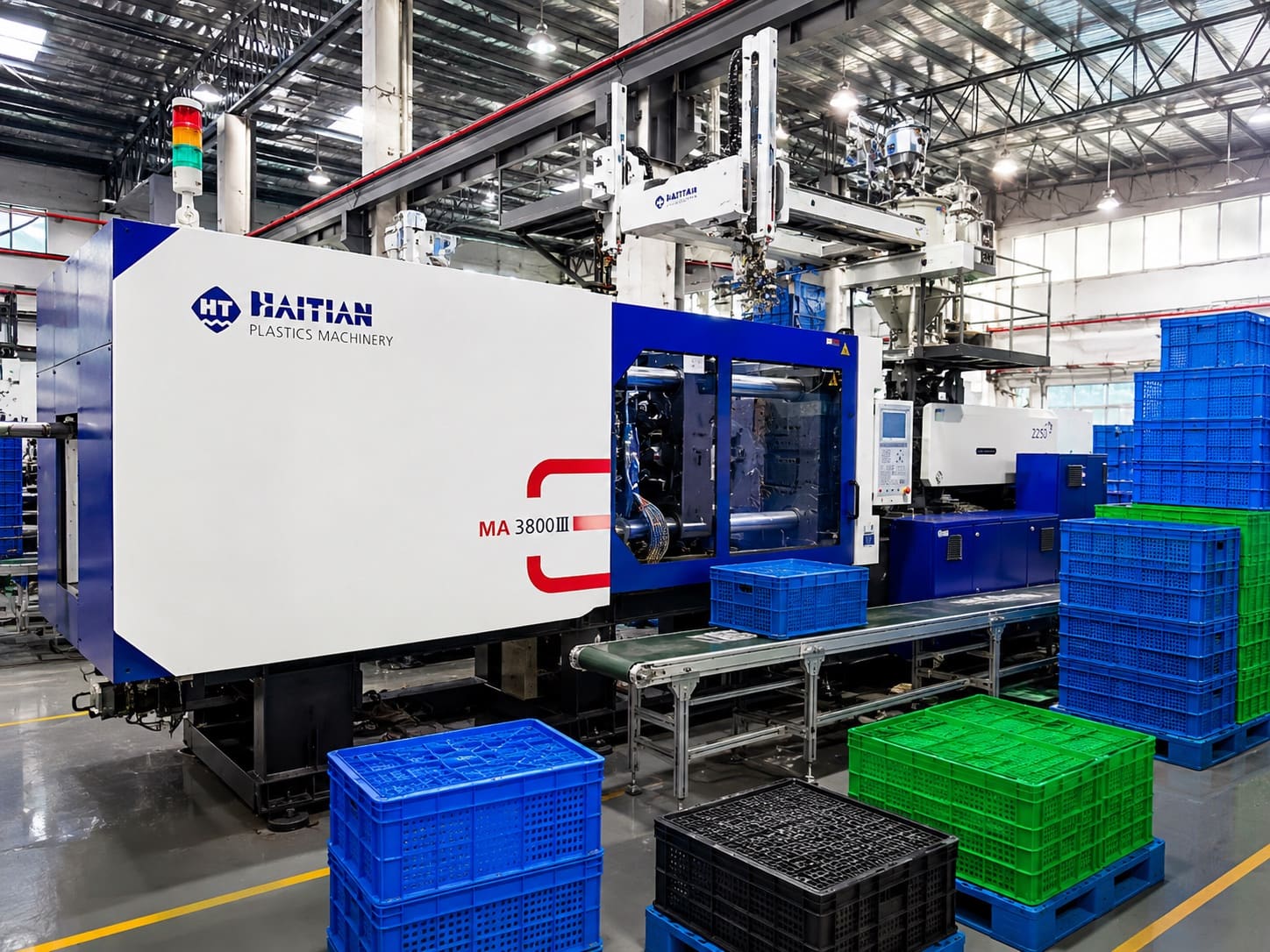
What should a turnkey injection molding cell acceptance checklist include?
It should define pre-shipment checks, site checks, evidence records and open items for the machine, mold interface, dry cycle, mold trial, auxiliaries, automation, safety, documents, packing and handover. Site-dependent results should not be described as proven before the buyer's factory conditions are available.
Decision checklist
- Separate factory acceptance from site acceptance in writing.
- Record what machine, mold, material, auxiliaries and automation are included.
- Define evidence: photos, videos, parameter files, samples, documents and open-issue registers.
- Keep cycle time, output, sample quality, warranty, certification and commissioning claims as NEEDS_EVIDENCE until records exist.
Define acceptance in plain language
Factory acceptance can confirm items available before shipment: machine configuration, basic functions, dry-cycle evidence, auxiliary equipment presence, robot motion where installed, electrical cabinet photos, packing plan, document list and any agreed mold trial if the mold and material are present.
Site acceptance can confirm items that depend on the buyer's factory: power, water, air, floor level, lifting, local safety review, installation, utility load, trial material, local operators, downstream handling and production stability under local conditions.
The contract should not pretend that every site-dependent result can be proven before the cell reaches the buyer's factory.
Write acceptance by project area
Machine identity should be supported by nameplate, model, serial or project ID, controller photos and included options. Mold interface should be checked against tie-bar spacing, platen, mold height, opening and ejection. Dry-cycle evidence should show clamp, injection, screw recovery, ejection and safety-gate behavior without production load.
For the mold trial, record the trial mold, resin grade, material batch, sample criteria and parameter file. For auxiliaries, list dryer, loader, chiller, robot, conveyor and other equipment by model or project ID. For documents, confirm packing list, wiring diagram, manuals, parameter record, spare list and service contact route.
Treat safety as a project interface
ISO 20430 covers safety requirements for injection moulding machines. OSHA machine-guarding guidance for horizontal injection molding machines emphasizes operator safety gates, interlocks and avoiding bypass of safety devices.
For service and maintenance, OSHA hazardous-energy guidance explains that equipment must be disabled and protected from unexpected release of energy. A turnkey cell acceptance plan should include safety devices, access points, lockout responsibility, training responsibility and local safety review.
Keep mold trial evidence specific
A mold trial is useful only when the trial conditions are written down. Record resin grade, drying condition, mold, cavity count, sample count, machine parameter file, cooling temperature, cycle target, defect criteria and sample-approval method.
If the buyer's production mold is not available before shipment, do not describe the cell as production-proven for that mold. Use a dry-cycle or reference-mold record and mark the buyer-mold trial as NEEDS_EVIDENCE for site acceptance.
Technical limitations
This checklist does not prove that any specific turnkey cell has passed acceptance. A sample trial before shipment does not prove stable production at the buyer's site unless the same mold, material, utilities and conditions are used.
Safety and compliance requirements depend on destination law, local installation and the buyer's operation. Any cycle time, output rate, energy consumption, certification, warranty term, delivery date, stock status or commissioning result must remain NEEDS_EVIDENCE until supported by the project file.
Common buyer questions
Does turnkey mean every part is already production-ready?
No. It should mean the agreed machine, auxiliaries, interfaces, documents and handover responsibilities are supplied as one project scope. Production readiness still depends on the buyer's mold, material, site utilities, operators and acceptance criteria.
Can a dry-cycle test replace a mold trial?
No. A dry-cycle test can show basic machine motion and some functions. A mold trial is needed to evaluate a specific mold, material and part requirement.
Should site acceptance be written before shipment?
Yes. Writing it early prevents disputes about which results could be checked before shipment and which depend on the buyer's factory.
Sources and references used for this guide
This guide supports early project planning. Final machine selection and commercial configuration must be confirmed from the actual part, mold, material, factory utilities and production target.

