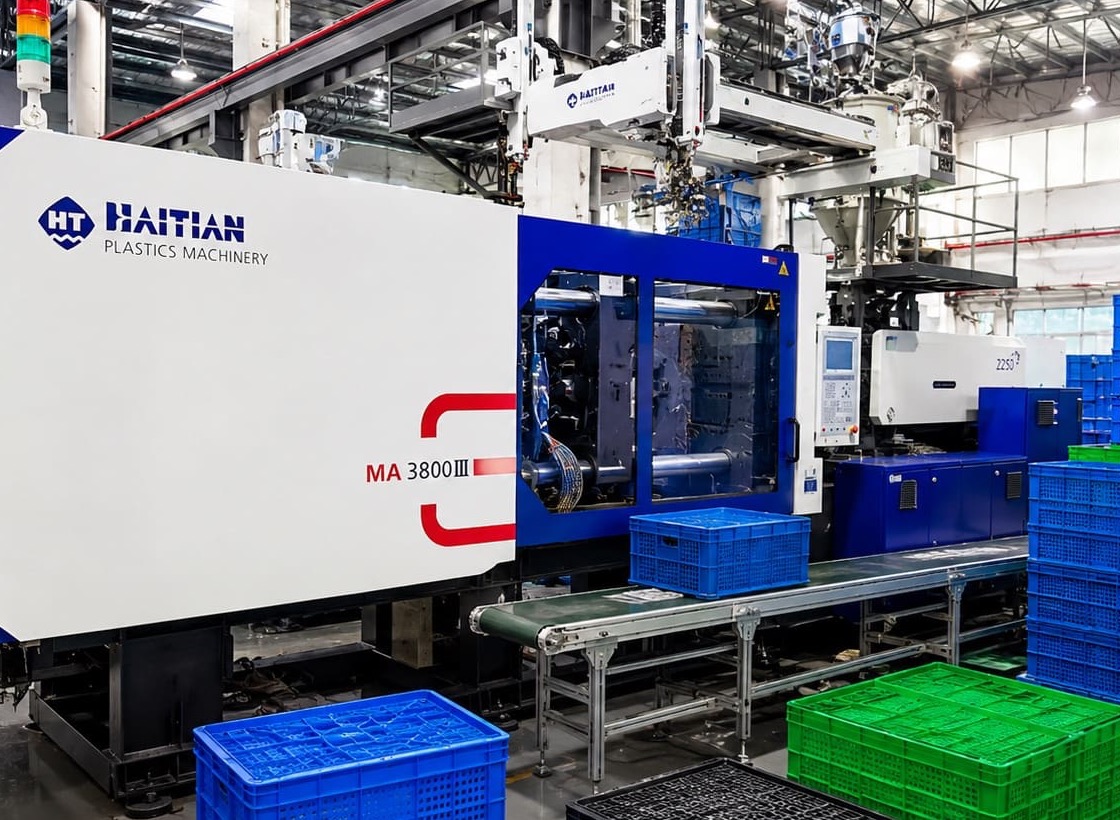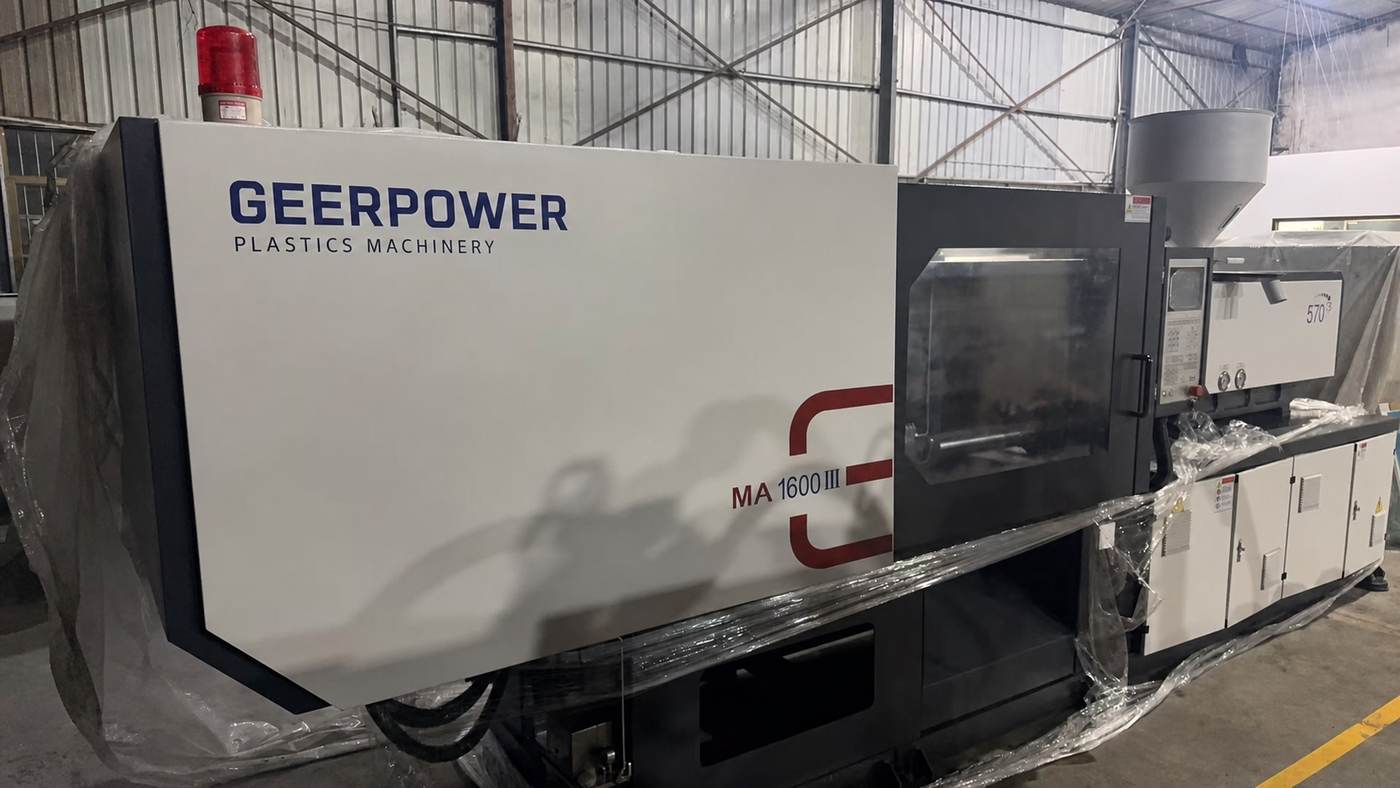
Should a buyer choose a new or original like-new injection molding machine?
Choose a GEERPOWER new machine when project-specific configuration and a new-equipment baseline matter most. Review pre-owned equipment separately through GEEPOW Certified when a verified technical match and documented condition support the investment case. Compare both routes against the same mold, output and total project scope rather than purchase price alone.
Decision checklist
- Compare both routes against the same product, mold, output and factory requirements.
- For like-new equipment, require identity, configuration, condition and operating evidence.
- For new equipment, confirm the exact option package, documentation and support scope.
- Compare total project value including adaptation, auxiliaries, delivery and production risk.
Start with the production requirement
A new machine and an original like-new machine are two equipment routes, not two different ways to define the project. Both should first be checked against the product, mold, material, output, utilities and support requirement.
When the technical requirement is clear, the buyer can compare the commercial trade-offs without sacrificing machine fit.
Where a new machine can be stronger
A new machine normally provides clearer configuration control, a new-equipment condition baseline and a more straightforward warranty scope. It can be the preferred route for a new production line, a repeatable multi-machine program or a project that requires a specific option package.
- Configuration defined for the new project
- Clear new-machine condition and documentation baseline
- Easier standardization for future capacity expansion
- Suitable when commissioning and warranty scope are central to the decision
Where verified pre-owned equipment can fit
A carefully selected pre-owned machine from an established platform can support an investment case when equipment familiarity or capital efficiency matters. The route is managed separately through GEEPOW Certified, and its value depends on documented identity, configuration, visible condition and functional evidence.
- Lower capital requirement for a suitable proven platform
- Potentially shorter availability window
- Familiar controls or spare-parts ecosystem in the buyer's market
- Useful for capacity expansion when the technical match is verified
Evidence required for a pre-owned machine
The sales description should not replace evidence. Buyers should request the machine identity, controller and configuration, structured exterior and platen-area photos, operating video, available test records and a clear list of included auxiliaries or repairs.
Voltage, tie-bar spacing, screw data, mold thickness range and interface options still need to be confirmed for the buyer's actual application.
Original brand, good appearance and low operating hours are useful signals, but none of them independently proves project suitability.
Compare total project value
The commercial comparison should include machine price, mold adaptation, auxiliaries, inspection, repair scope, packing, shipping, commissioning, parts support and expected production risk. A cheaper machine can become the more expensive project when interfaces are discovered too late.
Keep supplier identity and commercial responsibility clear: GEERPOWER covers export molds, injection molding production, automation and project-fit new machinery, while GEEPOW Certified handles pre-owned equipment through a separate route.
Common buyer questions
Does GEERPOWER sell used injection molding machines?
GEERPOWER covers export molds, injection molding production, automation and project-fit new machinery. This article compares the GEERPOWER new-machine route with a pre-owned route. Pre-owned equipment is handled separately through GEEPOW Certified and geepow.com.
How should buyers compare new and pre-owned machine offers?
Use the same product, mold, output, factory and delivery requirements for both routes. Then compare new-machine configuration and support scope against pre-owned identity, condition, test evidence, adaptation and unresolved risk.
Sources and references used for this guide
This guide supports early project planning. Final machine selection and commercial configuration must be confirmed from the actual part, mold, material, factory utilities and production target.