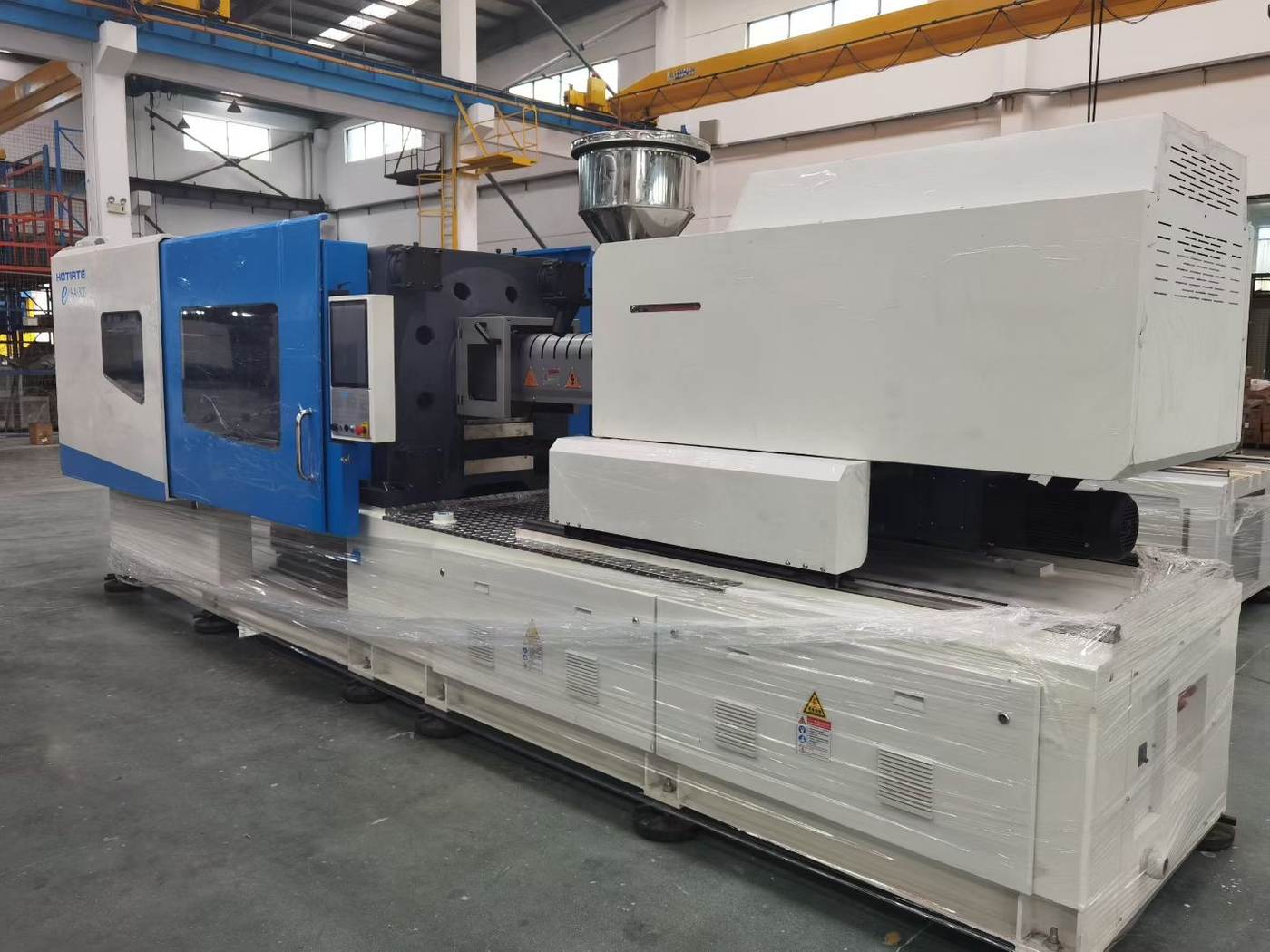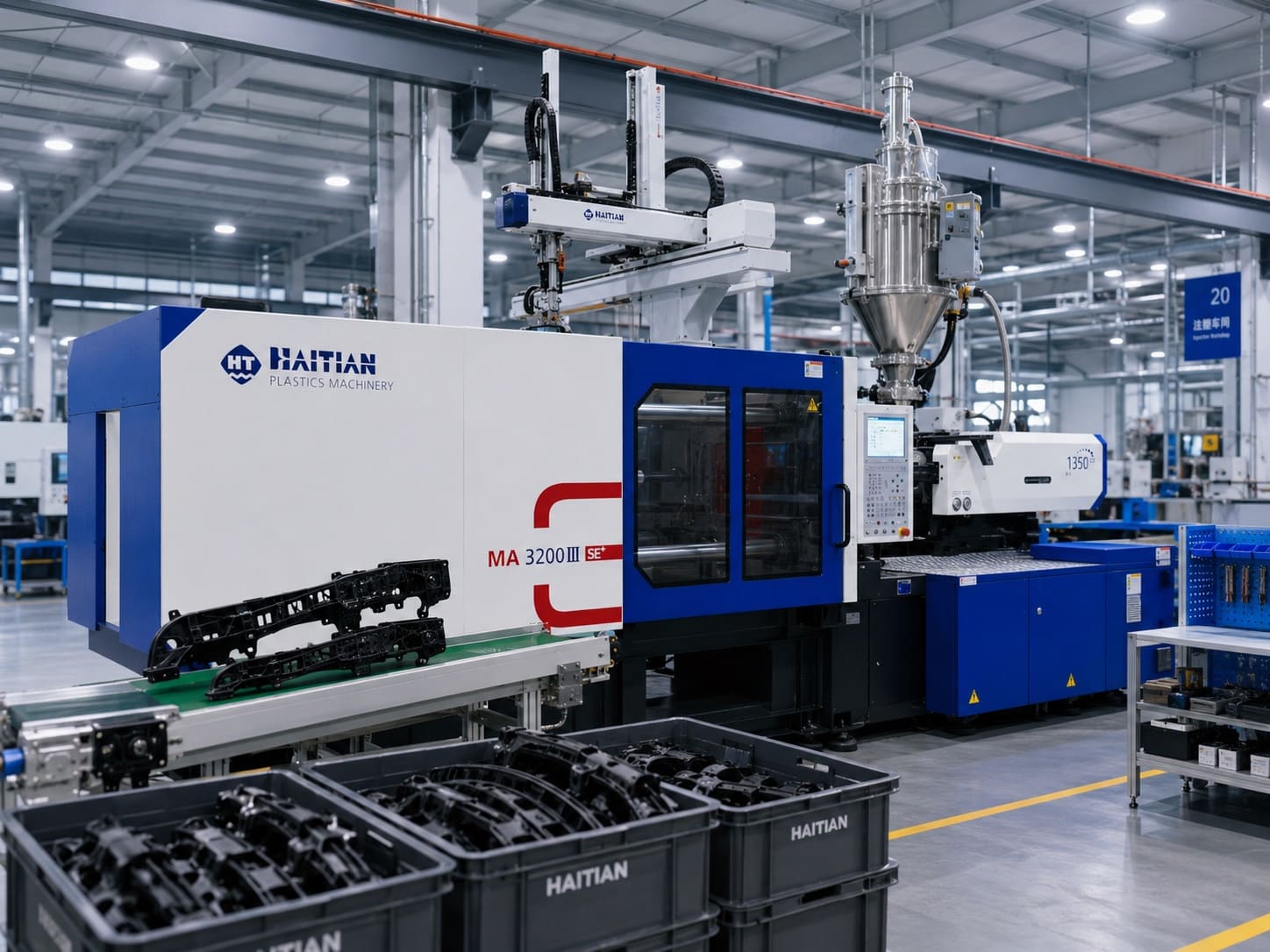
What data must be reliable before energy optimization can be discussed responsibly for an injection molding project?
Build a baseline with machine identity, drive type, cycle time, shot weight, resin, mold, barrel temperatures, clamp and injection profile, cooling-water data, dryer and auxiliary load, compressed air, idle time, production mix, rejected parts and meter location. GEERPOWER AI Platform capability, signals, savings estimate and optimization logic remain NEEDS_EVIDENCE until documented.
Decision checklist
- Decide whether the goal is monitoring, reporting, process improvement, future AI analysis or supplier comparison.
- Separate machine energy from dryer, chiller, compressed air, robot, conveyor and facility loads.
- Record production mix, part family and mold changes during the baseline period.
- Keep AI recommendations, payback and savings claims as NEEDS_EVIDENCE until the measurement method is documented.
Energy data needs a clean baseline
Energy optimization in injection molding is not credible if the buyer only has monthly electricity bills and a few cycle-time notes. A useful GEERPOWER smart-manufacturing discussion needs machine signals, process data, utility metering, mold and resin context, production mix, baseline rules and human review.
This is a readiness framework, not a claim that GEERPOWER AI Platform currently delivers energy optimization, automatic control or commercial savings.
Treat energy optimization as a measurement and governance problem before treating it as a software feature.
Prepare machine, process and utility data
The buyer should define machine identity, drive type, process cycle, material, mold, meter boundary, auxiliary load, data interface and baseline governance before comparing energy results.
OPC UA and plastics machinery information models can support standardized data exchange, but connectivity still depends on the exact machine, controller, network and software scope.
- Machine identity: model, drive type, controller and rated power.
- Process cycle: injection, hold, cooling, idle time and part output.
- Utilities: dryer, loader, chiller, air, robot and conveyor boundaries.
- Interface: controller export, OPC UA, MES or manual records.
- Governance: baseline period, review owner and change log.
Technical limitations
ISO 50001 provides an energy-management framework, and NIST manufacturing research discusses energy consumption as an injection molding metric influenced by process variables. NIST AI RMF helps frame governance for AI-assisted decisions.
These sources support data readiness. They do not verify GEERPOWER AI Platform feature scope, supported signals, model behavior, savings, release status, price or delivery.
Common buyer questions
Is energy optimization the same as buying an all-electric machine?
No. Machine selection matters, but energy optimization also depends on cycle time, mold cooling, auxiliaries, utility metering, idle time and production mix.
Can monthly electricity bills support energy optimization?
Usually not by themselves. They are useful for a high-level baseline, but machine or cell decisions need more granular data.
Can AI optimize energy without process data?
No. Any AI-assisted recommendation needs reliable machine, process, utility and production data, plus human review and governance.
Sources and references used for this guide
This guide supports early project planning. Final machine selection and commercial configuration must be confirmed from the actual part, mold, material, factory utilities and production target.