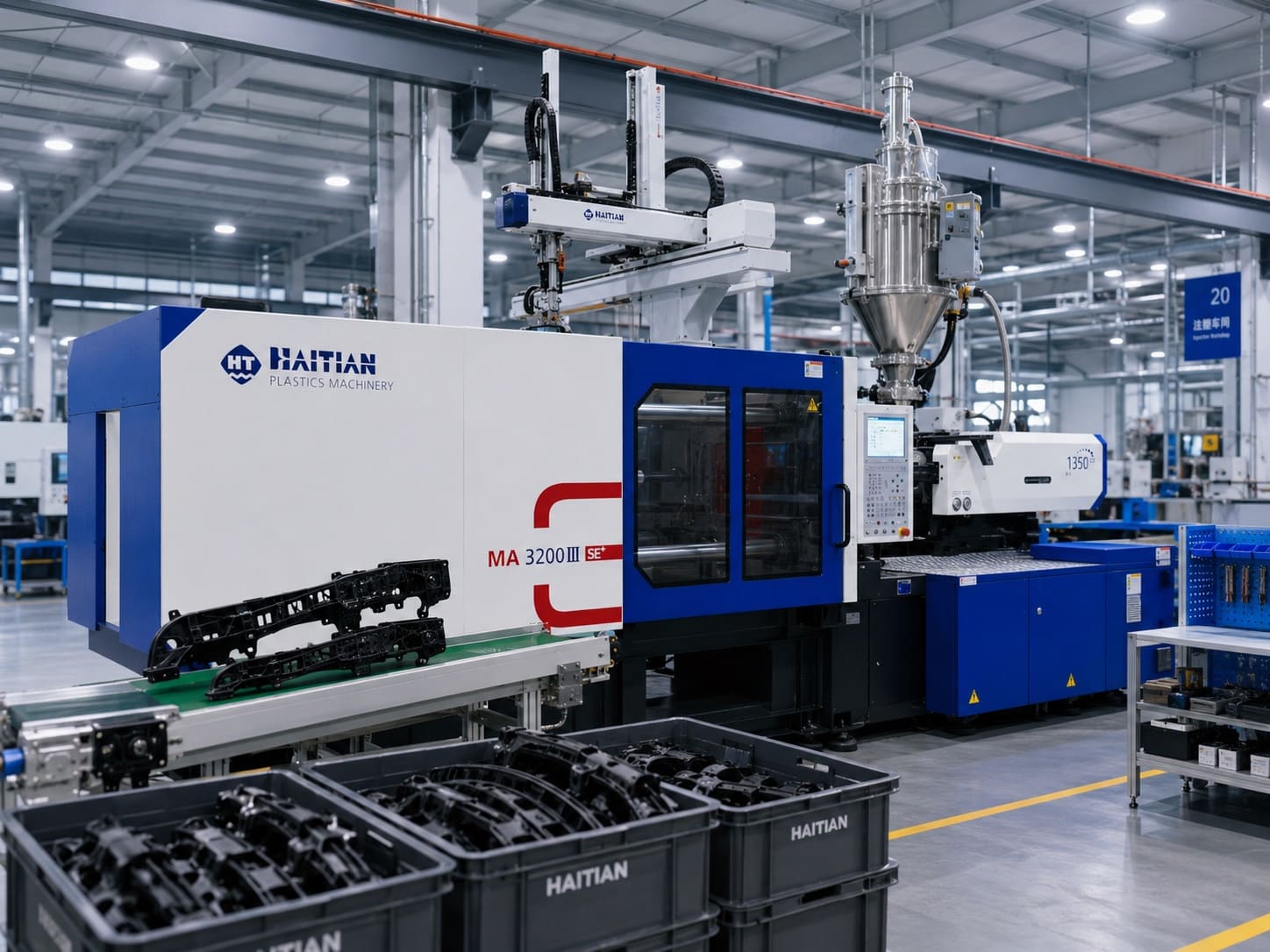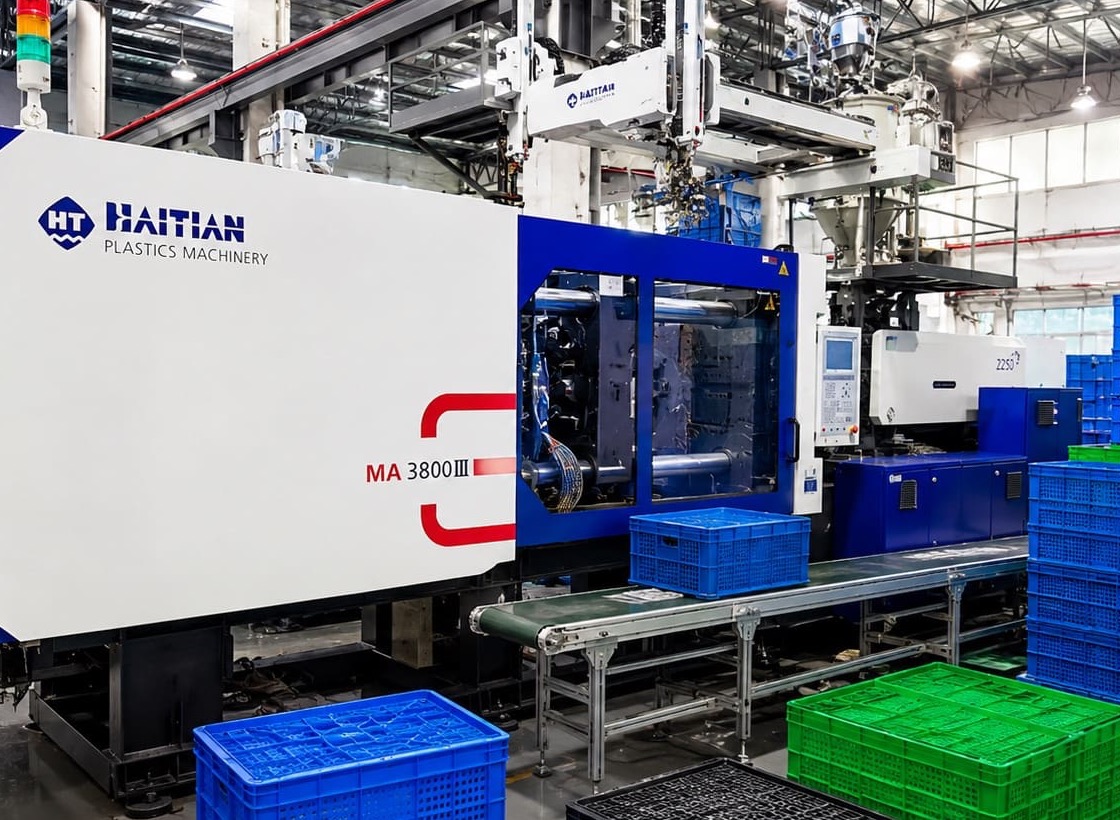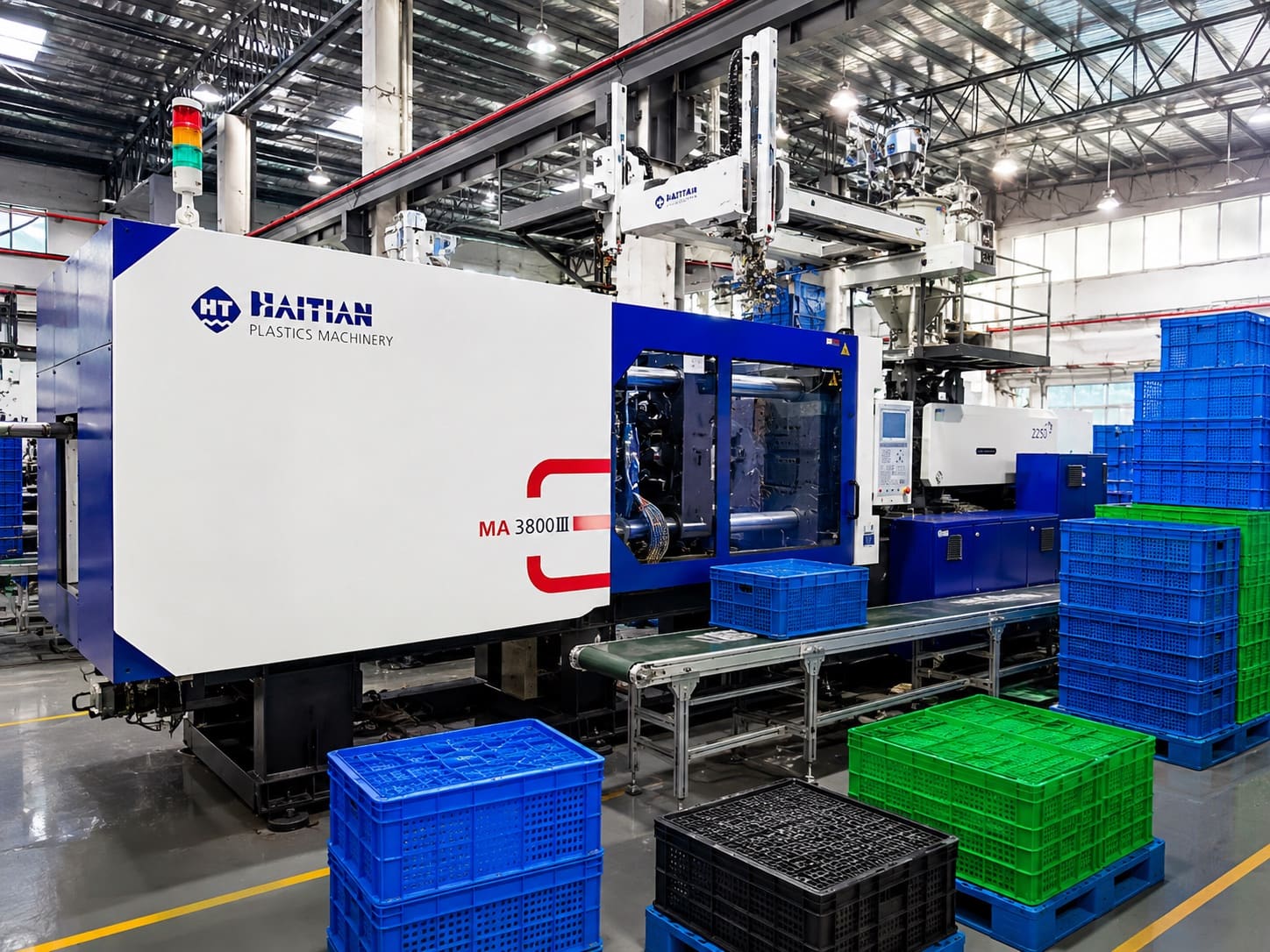
What should a turnkey molding-cell RFQ define before adding an in-line checkweigher and reject conveyor?
Define what will be weighed, the expected weight range, tolerance rule, part spacing, conveyor speed, cooling time, reject method, reject confirmation, data record, calibration owner and FAT/SAT test plan. Checkweigher model, accuracy, reject reliability, throughput, software, price and delivery remain NEEDS_EVIDENCE until the exact turnkey scope is documented.
Decision checklist
- Decide whether the cell weighs single parts, grouped cavities, bags, trays or cartons.
- Provide good-part and known-defect sample weights before setting tolerance rules.
- Specify reject confirmation, full-bin status and safe operator access in the first RFQ.
- Keep accuracy, legal-for-trade status, data export, output and delivery evidence-gated until the selected scope is tested.
Define the quality decision before the hardware
An in-line checkweigher can support short-shot, missing-insert, wrong-count or overweight-flash checks, but only when the weight difference is meaningful and the part presentation is stable. The RFQ should start from the quality decision, not from the accessory name.
The buyer should state whether the object is one molded part, a cavity group, a tray, a bag or a carton. That decision affects weighing range, tolerance, conveyor timing, reject handling and data records.
The checkweigher is useful only when the weighed object, defect rule and reject action are written clearly enough to test.
Turn weighing into a turnkey scope
Automatic catchweighing and machine-guarding references support the need for defined weighing behavior, reject handling and operator-safety boundaries. They do not select a project-specific checkweigher or prove final cell performance.
A practical GEERPOWER turnkey RFQ should connect molded-part flow, cooling time, part spacing, reject bin access, calibration records and FAT/SAT challenges in one responsibility table.
- Weighed object: part, grouped cavities, insert-loaded part, tray, bag or carton.
- Weight rule: nominal weight, tolerance, tare and retest method.
- Part presentation: orientation, spacing, temperature, cooling time and conveyor contact.
- Reject handling: pusher, diverter, air blast, stop gate, bin access and reject confirmation.
- Data record: accepted and rejected weight values, batch ID, count and export boundary.
Technical limitations
A checkweigher does not replace dimensional inspection, visual inspection, material control or mold-process stability. Some defects may not create enough weight difference to detect reliably.
Very hot, bouncing, touching, static-prone or poorly spaced parts can also make in-line weighing harder than a simple conveyor description suggests. The exact model, accuracy, reject logic, output, software, price and delivery remain NEEDS_EVIDENCE until the cell scope is documented and tested.
Common buyer questions
Can a checkweigher detect every molding defect?
No. It can help with weight-linked risks such as short shot, missing insert, missing component or wrong count, but many visual, dimensional and material defects need other controls.
Is a checkweigher just a conveyor option?
No. It needs a defined weighing range, part presentation, tolerance rule, reject method, data record and acceptance test. Those details affect layout, controls and responsibility.
Should calibration be part of the turnkey scope?
Yes. The RFQ should state who supplies test weights, who performs calibration, what records are kept and what remains buyer-side after installation.
Sources and references used for this guide
This guide supports early project planning. Final machine selection and commercial configuration must be confirmed from the actual part, mold, material, factory utilities and production target.