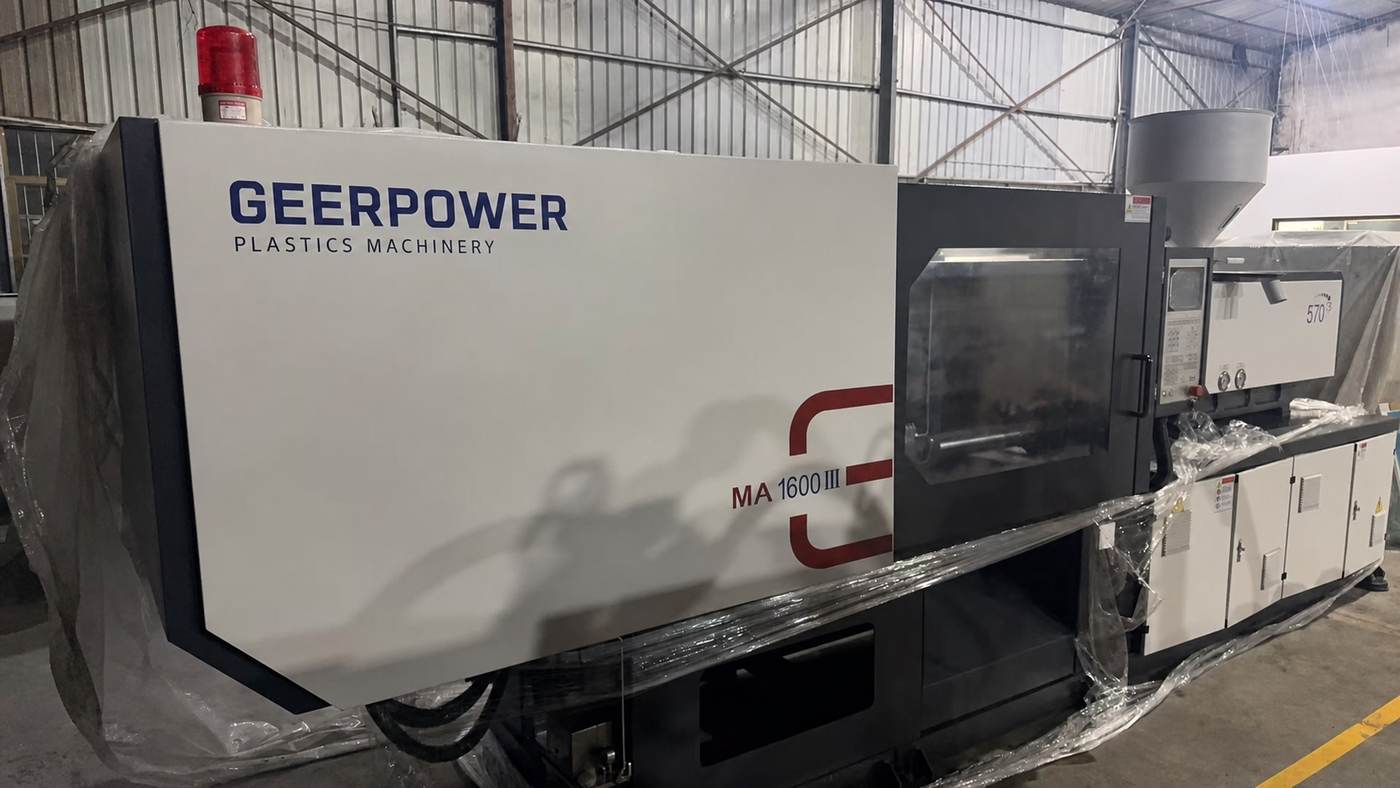
What should a buyer define before requesting a GEERPOWER quote for a threaded plastic part mold or molding cell?
Decide whether the part can be stripped, needs a collapsible core, needs a side action, or needs a controlled unscrewing mechanism. Keep thread release method, torque, drive type, machine interface, cycle time, sample approval, price and delivery as NEEDS_EVIDENCE until drawings, calculations and trial records support them.
Decision checklist
- Mark every internal and external thread on the drawing, including pitch, lead, depth, tolerance and functional surface.
- State whether the thread is cosmetic, sealing, load-bearing, assembly-only or gauge-controlled.
- Provide resin grade, filler content, shrinkage data and surface requirements before assuming the thread can be stripped.
- Ask the mold team to compare force stripping, collapsible core, side action and unscrewing before price comparison.
- Require a machine-interface list if the mold needs hydraulic cylinders, servo drives, core-pull sequence, sensors or safety interlocks.
Thread release method is an RFQ decision
A threaded plastic part can look simple on the product drawing but require a special mold release method. The RFQ should connect thread geometry, resin behavior, cavity count, drive method and machine interface before quotes are compared.
DME's hydraulic unscrewing device design guide shows that threaded-core release can require inputs such as thread length, thread lead, cavity spacing, injection pressure context, torque and shaft considerations. Vega Cylinders describes thread-unscrewing mechanism families, including motor-driven, rack and pinion, hydraulic and manual systems.
Threaded part mold RFQ worksheet
Use this table before quote approval, mold concept release or T1 trial planning. The final mechanism must come from the exact part, resin, mold and machine interface.
| Review item | Buyer should provide | GEERPOWER should clarify | Evidence status |
|---|---|---|---|
| Thread geometry | 2D/3D drawing, thread standard, pitch, lead, depth and engagement length | Whether the thread creates an undercut that needs special release | NEEDS_EVIDENCE until drawing review is complete |
| Material behavior | Resin grade, filler, shrinkage data and surface requirement | Whether force stripping, collapsible core or unscrewing is technically plausible | NEEDS_EVIDENCE until material data is reviewed |
| Mold concept | Cavity count, parting line, gate, ejection and visible-surface rules | Mechanism route, cavity spacing and maintenance access | NEEDS_EVIDENCE until mold concept is approved |
| Unscrewing drive | Output target, automation level and budget boundary | Hydraulic, servo, rack-driven, machine-driven or manual release route | NEEDS_EVIDENCE until mechanism is selected |
| Machine interface | Existing or selected machine data, core-pull circuits and controller capability | Hydraulic ports, servo control, sequence signals, sensors and safety boundary | NEEDS_EVIDENCE until interface records exist |
| Trial evidence | Sample approval rule, thread gauge, leak test or assembly test | T1 trial plan, open issue list, sample photos and measured results | NEEDS_EVIDENCE until T1 records are signed |
Separate mechanism categories from project proof
DME's core-pulling unit material shows that mold-mounted movement units and unscrewing devices are real tooling categories. That does not prove that an individual GEERPOWER project needs a specific device, can use a specific drive, will hit a cycle target, will pass T1, or has a confirmed price or delivery.
A threaded feature may be cosmetic, sealing, load-bearing, assembly-only or gauge-controlled. Those product requirements decide whether a simpler release method is acceptable or a controlled unscrewing mechanism is required.
- Thread drawing, pitch, lead, depth, tolerance and functional surface
- Resin grade, filler content and shrinkage assumption
- Mechanism route, drive type, sensor list and safety boundary
- T1 sample, gauge or assembly test, open issues and correction plan
Route open items into project review
GEERPOWER should avoid wording that implies final mold design, unscrewing torque, cycle time, sample approval, mechanism selection, machine compatibility, price or delivery without exact project evidence.
Send the threaded-part drawing, resin grade, thread gauge requirement, target output, existing machine data and preferred budget boundary through GEERPOWER project review so confirmed mold-interface evidence can be separated from NEEDS_EVIDENCE items.
This guide is a buyer-side RFQ aid. It is not proof that a specific GEERPOWER mold route, unscrewing mechanism or machine interface has been selected.
Common buyer questions
Does every threaded plastic part need an unscrewing mold?
No. Some parts can use stripped threads, collapsible cores, slides or design changes. A controlled unscrewing mechanism is needed only when geometry, material and functional requirements make simpler release methods unsuitable.
Can the machine quote be separated from the unscrewing mold quote?
Sometimes, but the interface still has to be reviewed. A mold with hydraulic or servo unscrewing may need machine-side ports, sequence logic, sensors, guarding and trial evidence.
Is a T1 sample enough to approve a threaded-part mold?
No. A T1 sample should be connected to thread gauges, assembly tests, surface checks, release behavior, open issues and agreed correction actions. A photo alone is not enough.
Sources and references used for this guide
This guide supports early project planning. Final machine selection and commercial configuration must be confirmed from the actual part, mold, material, factory utilities and production target.