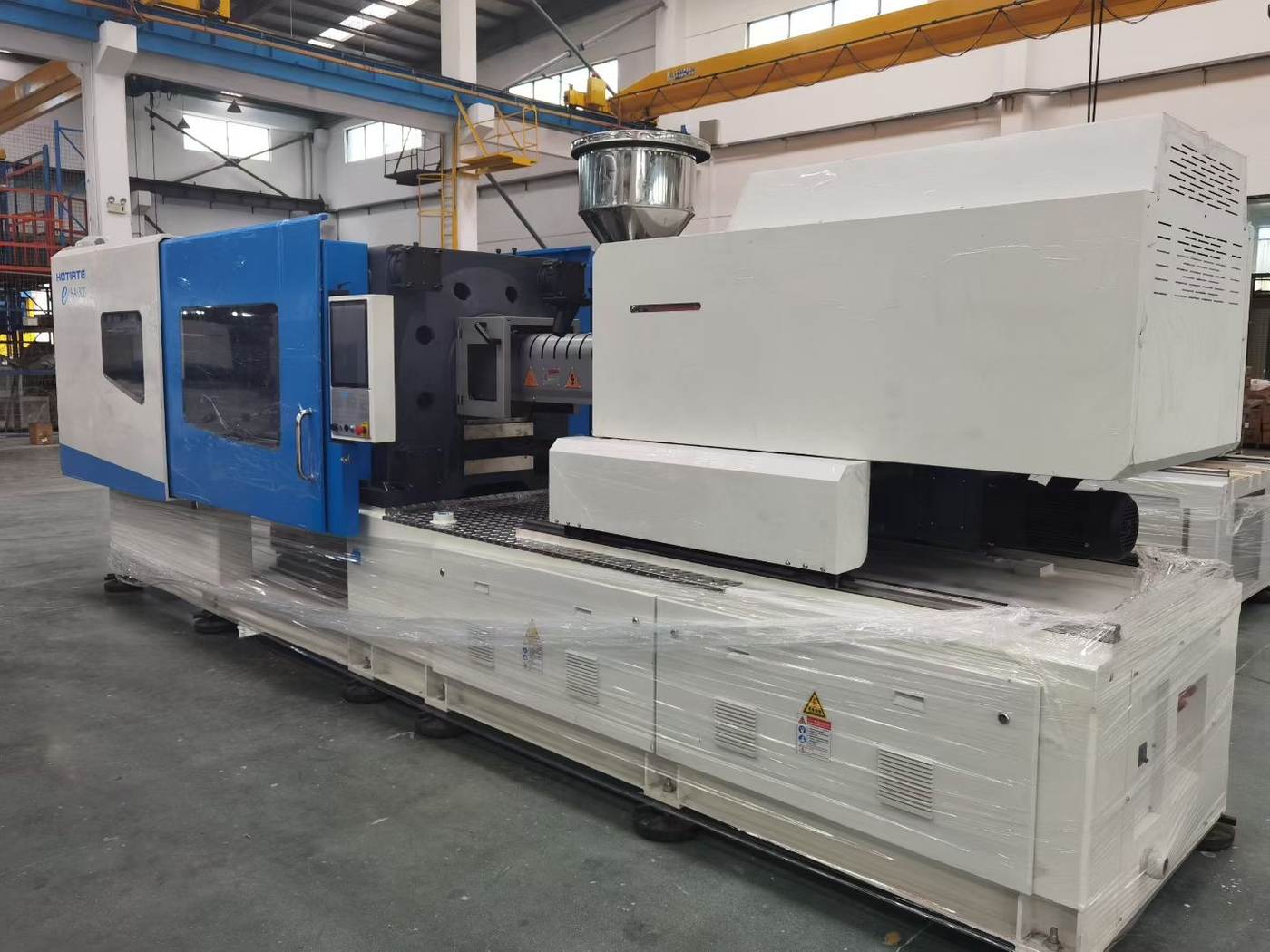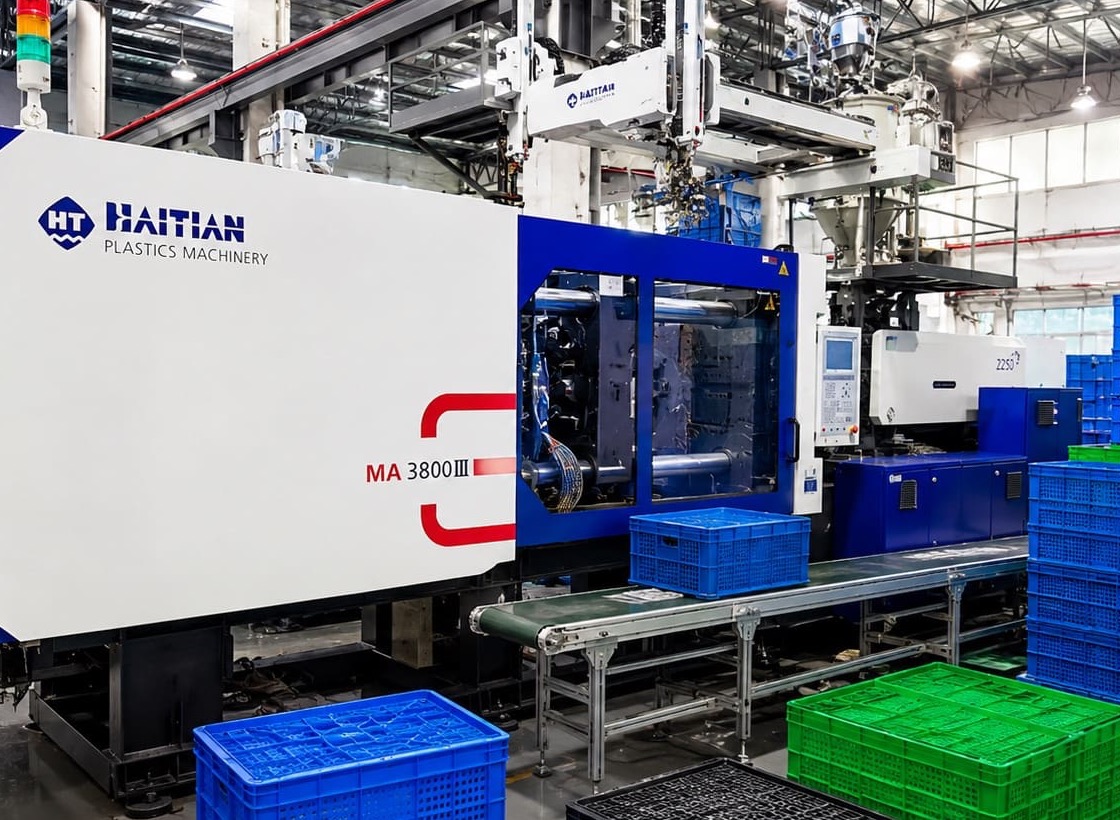
What safety guarding evidence should be included before a hydraulic injection molding machine quote?
Ask for guard access, interlock function, emergency-stop layout, purge-area controls, mold-change access, peripheral safety boundaries and lockout expectations before comparing hydraulic machine offers. Exact GEERPOWER guard design, destination review, FAT, SAT, price and delivery remain NEEDS_EVIDENCE until documented for the selected project.
Decision checklist
- Include guarding and interlock evidence in the RFQ, not only in the shipment checklist.
- Separate machine-side FAT checks from site-level safety and destination review.
- Define normal operation, mold change, maintenance and troubleshooting access separately.
- Keep compliance, certification and acceptance claims as NEEDS_EVIDENCE until the project file supports them.
Safety belongs in the RFQ
Hydraulic injection molding machine quotations often emphasize clamp force, injection capacity and price. Those items are important, but they do not explain how the buyer will review guards, interlocks, emergency stops, purge-area access or mold-change risk.
The first RFQ should therefore define the safety evidence expected from GEERPOWER and the items that remain buyer-side site review. This avoids treating safety as one generic line after the machine is already built.
Do not treat a public safety reference as proof that a specific GEERPOWER configuration has passed destination review.
Build a safety evidence table
The buyer should ask how machine access, interlocks, emergency stops, purge guarding, mold change and peripheral equipment are handled. The answer should identify what can be checked at FAT and what depends on the final site.
For turnkey or automation-related projects, the same safety conversation should include robots, conveyors, dryers, hopper loaders and any other equipment that changes the operator access boundary.
- Operator access: guard type, access points and mold-area visibility.
- Interlock function: test method, reset behavior and open-point handling.
- Emergency stop: button locations and FAT check record.
- Purge area: heat, pressure and access controls around the nozzle side.
- Mold change: lifting, lockout, clamp access and service route.
- Peripheral scope: robot, conveyor, dryer and loader interface boundary.
Technical limits
ISO 20430 covers safety requirements for injection moulding machines, and OSHA guidance describes hazards around guarding, interlocks, purge areas and hazardous-energy control. These references support the buyer checklist, not a project-specific GEERPOWER compliance claim.
Final safety acceptance depends on the exact machine, mold, cell layout, destination requirements, local procedures and buyer-side risk assessment.
Common buyer questions
Is machine guarding the same as destination compliance?
No. Guarding evidence supports review, but destination compliance depends on the exact configuration, installation, local law, risk assessment and documentation scope.
Can FAT prove all safety requirements?
FAT can check machine-side functions under factory conditions. Site access, operator training, local procedures and integrated cell safety usually require site-level review.
Should mold change be included in the safety RFQ?
Yes. Mold change can involve clamp access, lifting, hydraulic, electrical and thermal risks, so access and lockout expectations should be defined before the cell layout is approved.
Sources and references used for this guide
- ISO 20430 injection moulding machine safety requirements
- OSHA horizontal injection molding machine guarding and lockout guidance
- OSHA horizontal injection molding machine safety tour
- EUROMAP technical recommendations for injection molding machinery interfaces
- Regulation (EU) 2023/1230 machinery context
This guide supports early project planning. Final machine selection and commercial configuration must be confirmed from the actual part, mold, material, factory utilities and production target.