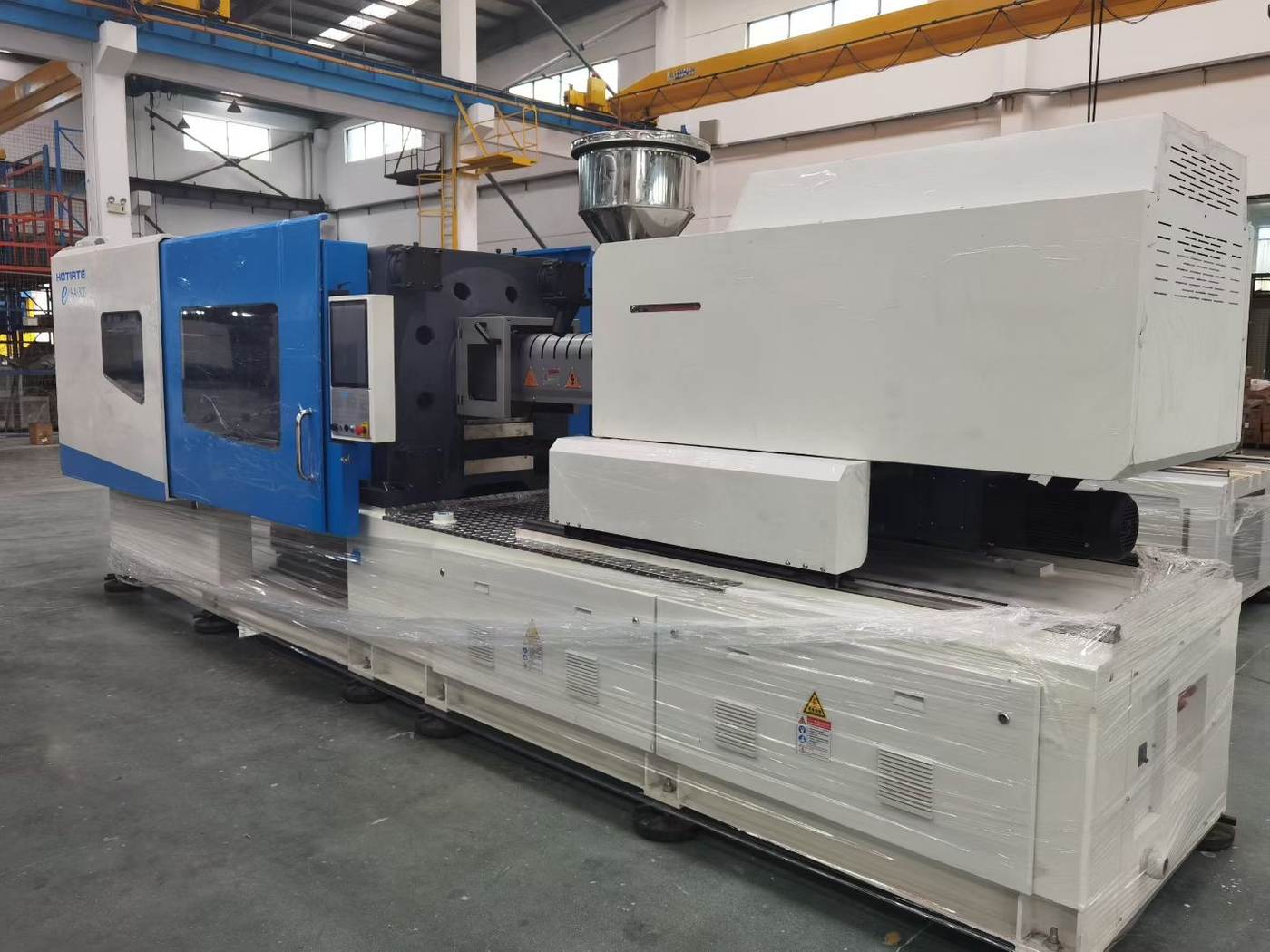
What maintenance data should a buyer prepare before discussing predictive maintenance in a GEERPOWER smart-manufacturing roadmap?
Prepare known failure modes, available machine signals, alarm history, cycle or running-hour records, work orders, spare-part changes, inspection notes and approval rules. Any GEERPOWER predictive-maintenance function, sensor package, model output or integration remains NEEDS_EVIDENCE until separately documented.
Decision checklist
- Define the failure modes that matter before collecting more signals.
- Keep alarm records, repair records and spare-part changes tied to the same machine ID.
- Attach production context because resin, mold, shift pattern and load affect maintenance interpretation.
- Decide whether alerts are advisory only or part of a required maintenance workflow.
Begin with maintenance evidence
Predictive maintenance in injection molding should begin with failure modes, sensor signals, alarm records, work orders, repair history, operating conditions and clear rules for human review.
A dashboard or AI label is not enough if the factory cannot connect a breakdown to machine state, alarm history, operating load and repair action.
The first predictive-maintenance task is naming the failure you want to predict and the data that proves it happened.
Map signals to failures and work orders
NIST manufacturing maintenance material describes predictive maintenance as maintenance initiated from predictions made with observed data such as temperature, noise and vibration. NIST smart-manufacturing and AI-risk references support treating this as a data and governance problem.
EUROMAP 77 and OPC UA overview material show why standardized machine-to-MES data exchange matters, but they do not prove any specific GEERPOWER controller or platform exposes a particular maintenance dataset.
- Failure modes by machine, unit and symptom.
- Observable signals such as temperature, vibration, pressure, cycle count or alarms.
- Maintenance history, repairs, spare-part changes and preventive tasks.
- Operating context including resin, mold, shift pattern and load.
- Governance rules for access, retention, cybersecurity and human approval.
Technical limitations
This article is buyer education and roadmap guidance. It does not claim GEERPOWER currently provides predictive maintenance, remote monitoring, alert accuracy, integration or customer results.
Any GEERPOWER AI Platform predictive-maintenance function, sensor package, model output, alert accuracy, price, delivery or commercial availability remains NEEDS_EVIDENCE until separately documented.
Common buyer questions
Does this article claim GEERPOWER already provides predictive maintenance?
No. It is buyer-education and roadmap guidance. Any GEERPOWER AI Platform feature, sensor package, model output or integration remains NEEDS_EVIDENCE.
Which signal should a buyer collect first?
Start with signals tied to a defined failure mode. Temperature, noise, vibration, pressure or alarm records are useful only when connected to maintenance history and operating context.
Is machine connectivity enough for predictive maintenance?
No. Connectivity helps move data, but predictive maintenance also needs failure labels, repair records, operating context, governance and human approval rules.
Sources and references used for this guide
This guide supports early project planning. Final machine selection and commercial configuration must be confirmed from the actual part, mold, material, factory utilities and production target.