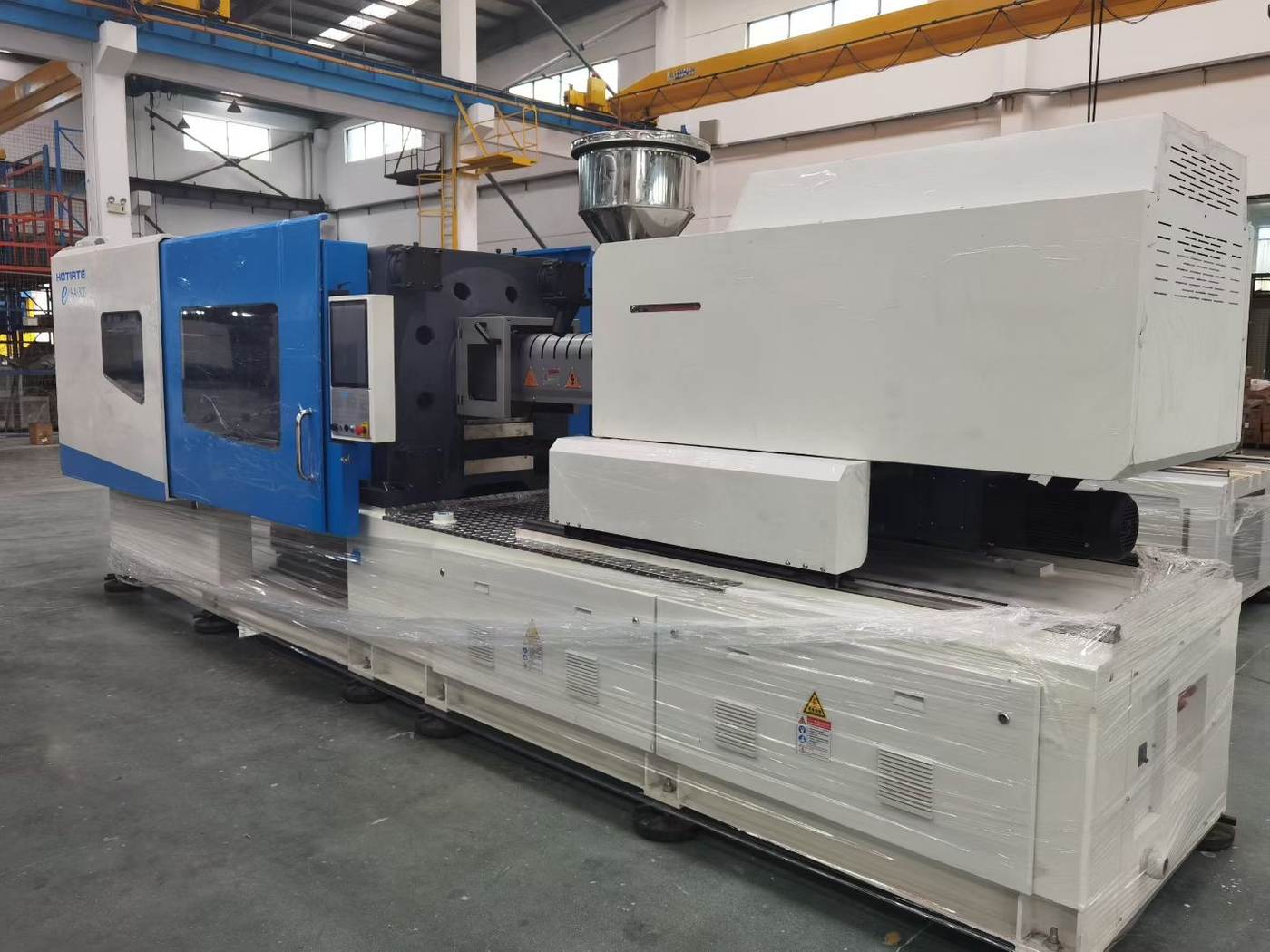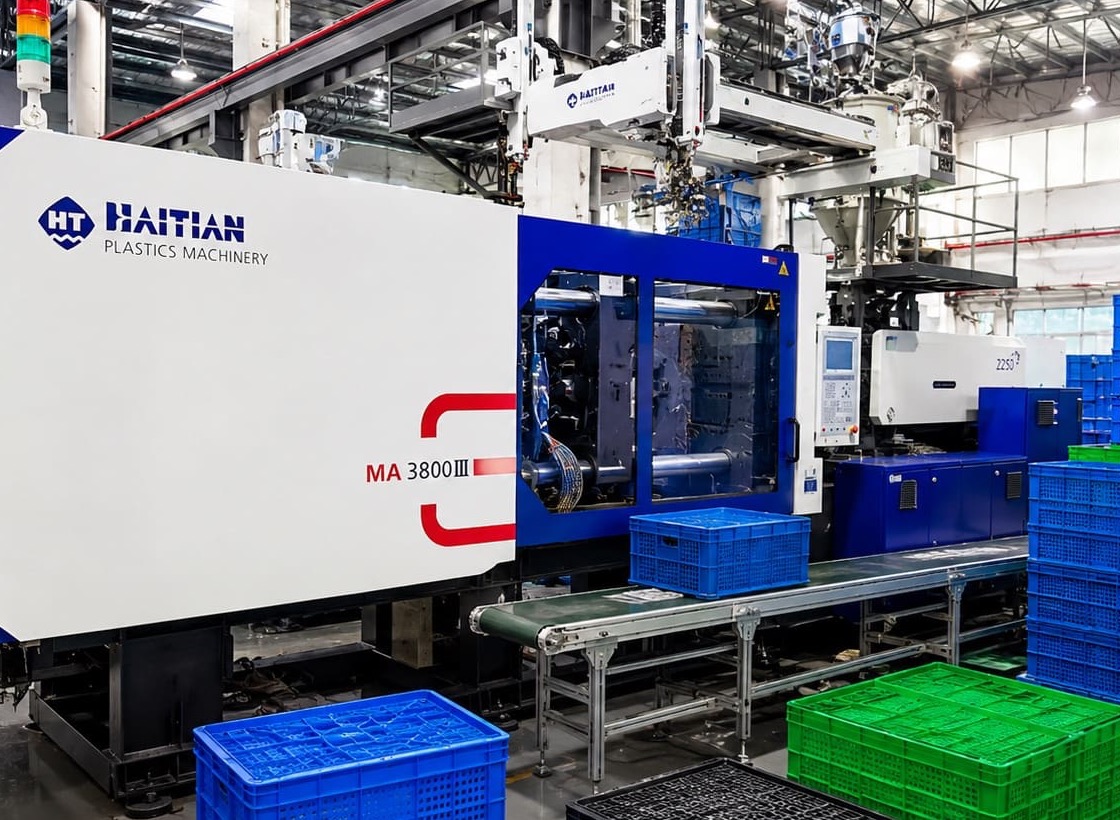
What should buyers prepare before requesting a hydraulic injection molding machine for cable reels or wire spools?
Prepare drawings, reel diameter, flange thickness, hub bore tolerance, rib layout, resin assumption, winding-load requirement, part weight, projected area, mold size, cavity count, ejection method and acceptance tests. Keep selected GEERPOWER model, load result, dimensional result, cycle, price and delivery as NEEDS_EVIDENCE until documented for the exact project.
Decision checklist
- Send reel or spool drawings instead of only an exterior product photo.
- Mark flange, hub bore, arbor contact, winding surface and stacking contact zones.
- Provide part weight, projected area, mold dimensions, cavity count and resin assumption when available.
- Define flange flatness, hub bore, warpage, load and cosmetic acceptance before final machine selection.
Start from reel function, not only diameter
Plastic cable reels and wire spools look like simple round parts, but the useful RFQ starts with how the reel will be loaded, wound, stacked and handled. Flange flatness, hub bore fit, rib strength and side-load behavior can change the mold and machine review.
A diameter-only request leaves too much open. GEERPOWER should review the reel drawing, resin route, projected area, part weight, mold envelope and acceptance checks before treating machine selection as final.
A large round part is still an engineered part. The RFQ should show which surfaces carry winding, stacking and hub-fit risk.
Build the RFQ evidence table
Use a written table to separate buyer-provided facts from items GEERPOWER still needs to clarify. This keeps unproven load, cycle, sample and delivery claims visible instead of turning them into assumptions.
The minimum table should cover product structure, resin route, mold basis, functional checks, cell handling and handover evidence. Public molding references can support the checklist, but they do not prove the performance of any exact GEERPOWER project.
- Product structure: reel diameter, flange thickness, hub bore, ribs and stacking rule.
- Resin route: material grade, color, recycled-content rule and stiffness or impact target.
- Mold basis: mold dimensions, cavity count, runner, cooling, parting line and ejection method.
- Functional checks: hub bore fit, flange flatness, winding load, side load and drop or stacking rule.
- Cell handling: manual take-out, robot removal, conveyor, stacking or packing path.
Keep machine sizing evidence-gated
Clamp force, shot size, platen fit, opening stroke, ejector interface and handling method all depend on the actual part and mold. RJG's clamp-force guidance and Protolabs design references are useful planning inputs, but the project still needs its own geometry, resin and mold evidence.
A molded sample also does not prove winding strength, flange stability, long-run warpage control or final packing efficiency by itself. Those checks belong in the buyer's acceptance plan when they matter to the application.
Common buyer questions
Can GEERPOWER size a hydraulic machine from reel diameter alone?
No. Machine sizing also needs part weight, projected area, resin, mold dimensions, cavity count, hub and flange geometry, ejection requirements and the acceptance standard for winding and stacking.
Should winding-load testing be part of the machine quotation?
Only if the buyer asks for that check and the method is written. Winding load, side load and drop behavior may require buyer-side validation outside a machine-only quote.
Why do flange flatness and hub bore matter in a cable-reel RFQ?
Flange flatness affects winding and stacking, while hub bore controls fit to winding or dispensing equipment. Both can change mold design, cooling and sample acceptance.
Sources and references used for this guide
This guide supports early project planning. Final machine selection and commercial configuration must be confirmed from the actual part, mold, material, factory utilities and production target.