
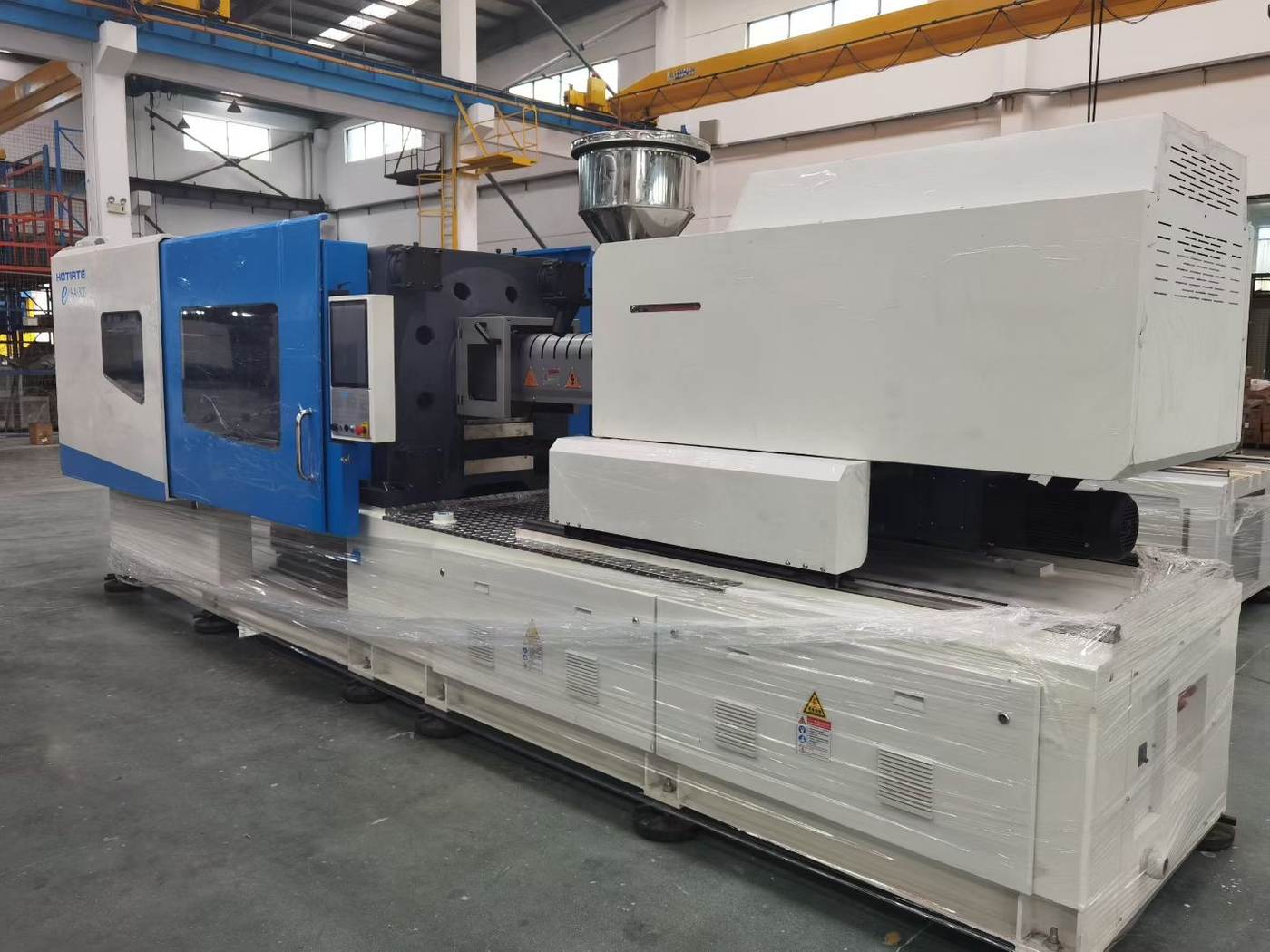
What data should be prepared before an all-electric thin-wall packaging machine quote?
Prepare the part drawing, wall thickness, flow length, resin grade, cavity count, mold cooling design, injection profile, automation plan, output target and acceptance method. GEERPOWER cycle, energy, sample, price and delivery claims remain NEEDS_EVIDENCE until tied to the exact mold, resin and selected all-electric configuration.
Decision checklist
- Start with part and mold data before discussing machine size or cycle time.
- Define whether the all-electric route is being reviewed for precision, cleanliness, speed, repeatability or energy evidence.
- Include take-out, stacking, IML, counting, conveying or packing when output depends on them.
- Compare routes only against the same part, mold, resin and acceptance basis.
Thin-wall packaging needs a complete project file
Containers, lids and lightweight packaging parts can place high demands on injection response, plasticizing, cooling and handling. A useful all-electric RFQ therefore starts with part geometry, resin, cavity count, mold cooling and downstream automation.
Without that context, a cycle-time or speed number is not a reliable buying basis. It may not represent the buyer's part, mold, resin or packing method.
Keep thin-wall packaging performance claims open until the exact mold, resin, automation and test method are documented.
Prepare the RFQ evidence blocks
GEERPOWER can review the all-electric route more precisely when the buyer separates product data, mold data, output expectation and acceptance method. This also makes hydraulic, hybrid and all-electric comparisons more useful.
Public OEM pages can explain all-electric and thin-wall packaging applications, but they do not prove a GEERPOWER configuration or project result.
- Part geometry: drawing, wall thickness, flow length and part weight.
- Material: resin grade, MFI range, filler, color and drying requirements.
- Mold: cavity count, cooling layout, venting, hot runner and ejection.
- Output: parts per hour, shift plan, scrap allowance and inspection needs.
- Automation: take-out, IML, stacking, counting, conveyor or packing.
- Acceptance: stable-cycle duration, sample quantity and inspection checks.
Technical limits
All-electric machine sources often discuss precision, repeatability and energy-oriented benefits, while thin-wall packaging sources highlight speed and application intensity. These are route references, not GEERPOWER performance evidence.
Final performance depends on resin, gate, runner, cooling, venting, cavity count, machine response, part removal, stacking, inspection and operator setup.
Common buyer questions
Is an all-electric machine automatically right for thin-wall packaging?
No. The route depends on part geometry, resin, mold, cavity count, injection demand, automation and acceptance targets.
Can the RFQ state a fixed cycle time before testing?
No. A cycle target should remain NEEDS_EVIDENCE until it is tied to the exact mold, resin, machine configuration, automation and test record.
Should downstream automation be included in the thin-wall RFQ?
Yes when output depends on take-out, stacking, IML, counting, conveying or packing. Otherwise the machine quote may not represent the production cell.
Sources and references used for this guide
This guide supports early project planning. Final machine selection and commercial configuration must be confirmed from the actual part, mold, material, factory utilities and production target.