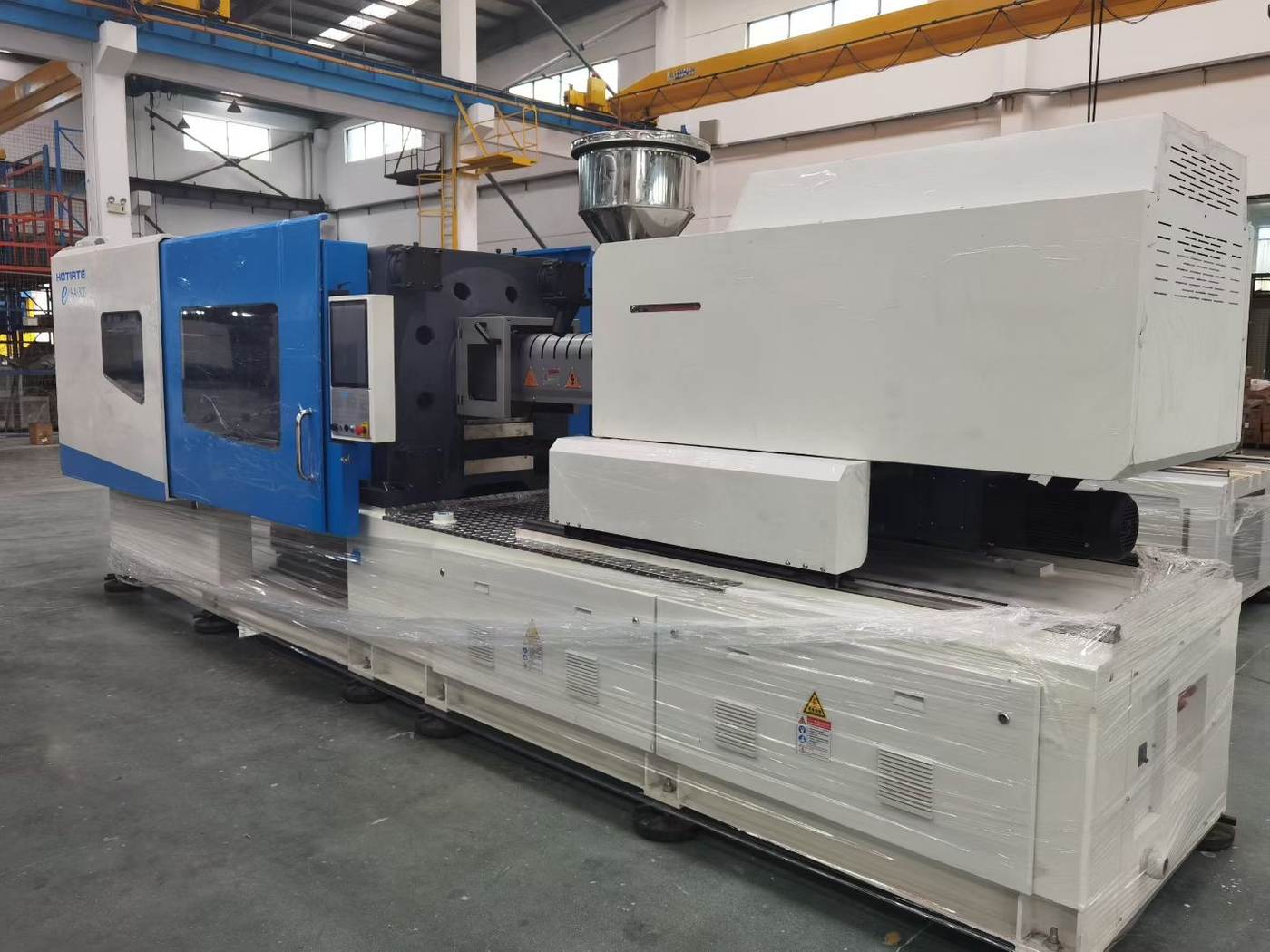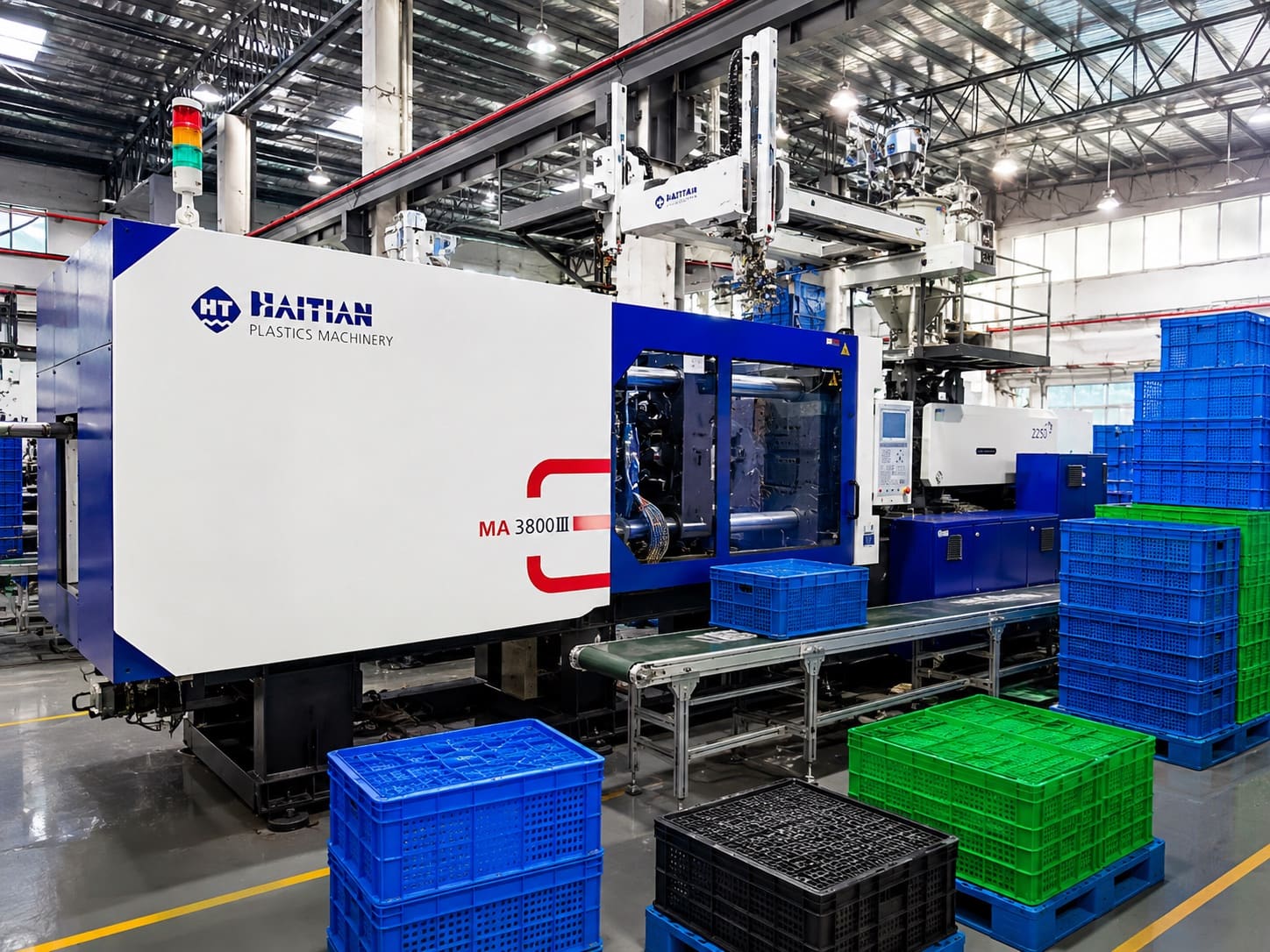
What should a packaging buyer prepare before requesting a GEERPOWER machine or turnkey-cell quotation for thin-wall molded parts?
Send the part drawing, wall thickness, resin, cavity count, gate concept, target cycle, cooling-water plan, removal method and stacking requirement. Injection speed, cycle, output, sample quality, price and delivery remain NEEDS_EVIDENCE until tied to the selected GEERPOWER configuration.
Decision checklist
- Confirm whether the part is truly thin-wall or a normal packaging part with ordinary cycle expectations.
- Provide wall thickness, flow length, resin and cavity count before comparing machine routes.
- Include cooling, part removal and stacking in the first RFQ package.
- Keep output and cycle claims evidence-gated until the mold, resin, cooling and cell scope are reviewed.
Start from part geometry and flow demand
Thin-wall packaging products such as lids, tubs and light containers depend on wall section, flow length, gate design, resin behavior and filling stability. A quote based only on clamp force can miss the real application requirement.
The buyer should separate geometry, flow, mold cooling, ejection and handling before asking GEERPOWER to compare a machine-only route with a fuller production-cell scope.
The useful RFQ question is not only whether a press is fast. It is whether the part, mold, cooling and handling plan can support the required cycle with acceptable evidence.
Build the packaging RFQ table
Manufacturer packaging references from ARBURG, ENGEL and Sumitomo SHI Demag show thin-wall molding as a specialized application area where injection performance, clamping, cooling and handling interact.
Use that context to prepare a project file rather than to claim a result before the exact GEERPOWER route is reviewed.
- Part geometry: drawing, wall thickness, ribs, hinge or lid-fit points.
- Flow demand: resin, gate concept, flow length and expected filling risk.
- Mold cooling: circuit concept, water quality and target temperature.
- Removal and stacking: robot, picker, conveyor or manual handling assumptions.
- Acceptance: sample quantity, part weight range and inspection points.
Technical limitations
Public packaging-machine examples support the checklist, but they do not prove injection speed, cycle time or output for any GEERPOWER project. OSHA horizontal injection molding machine guidance also keeps guarding and operator access in scope when fast handling equipment is included.
Selected machine route, injection speed, cooling capacity, robot or stacker scope, sample result, price and delivery remain NEEDS_EVIDENCE until documented for the exact packaging project.
Common buyer questions
Is every packaging project a thin-wall project?
No. Packaging products vary widely. The buyer should provide wall thickness, flow length, resin and cycle expectations before treating the project as thin-wall.
Can GEERPOWER confirm cycle time before mold and cell review?
No. Cycle time, output and sample acceptance remain NEEDS_EVIDENCE until the selected machine, mold, resin, cooling and handling method are reviewed together.
Should part removal be part of the RFQ?
Yes. Thin-wall packaging parts can deform or stack poorly if removal and cooling are not coordinated with the machine cycle.
Sources and references used for this guide
This guide supports early project planning. Final machine selection and commercial configuration must be confirmed from the actual part, mold, material, factory utilities and production target.