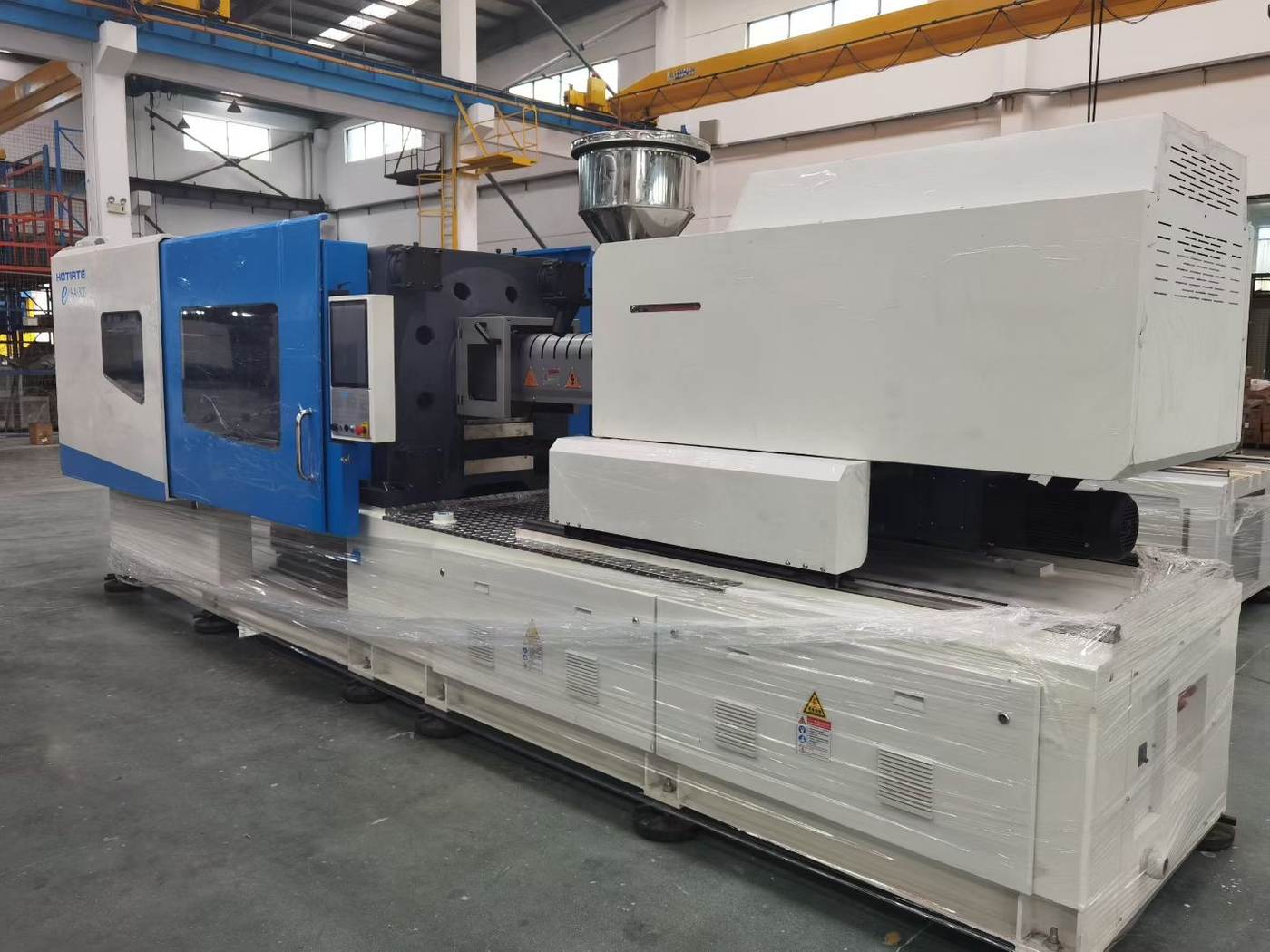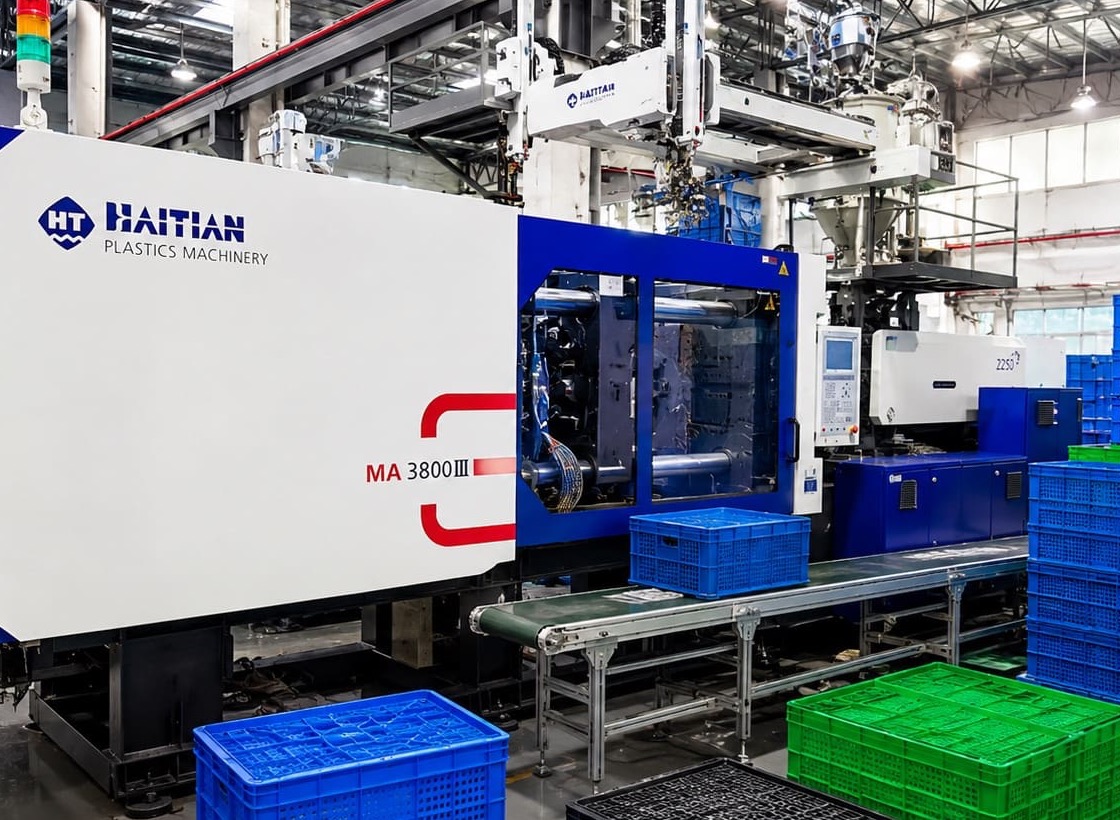
What ejector and mold-interface data should be prepared before a hydraulic injection molding machine quote?
Send the mold drawing, mold weight, mold thickness, locating ring, platen interface, required ejector stroke, ejection method, part-release risk and acceptance plan before final machine selection. GEERPOWER project values such as ejector stroke, ejector force, price, delivery and mold-trial result remain NEEDS_EVIDENCE until the selected configuration is documented.
Decision checklist
- Check ejector stroke and force separately from clamping force.
- Confirm platen hole pattern, locating ring, mold thickness and daylight before treating the mold as matched.
- Record whether ejection coordinates with robot take-out, conveyor discharge or manual removal.
- Keep mold trial, cycle time and automatic release claims as NEEDS_EVIDENCE until test records exist.
Ejector data belongs in the first RFQ
Hydraulic injection molding machines are often selected for flexible project coverage, but mold compatibility still has to be checked as a system. A mold can fit between tie bars and still create problems if ejector travel, ejector force, adapter needs or release timing are not clear.
The useful RFQ file should connect the mold drawing, platen interface, ejection method and acceptance test. It should not use a generic machine category as proof that the buyer's mold will run automatically.
Treat clamping force as one selection field. Mold interface, ejector behavior and safety access need their own evidence.
Build the mold-interface evidence table
The buyer should provide mold length, width, height, weight, locating ring, clamp slots, ejector rod layout and part-release notes. GEERPOWER can then review which interface items are ready and which still need confirmation.
Huarong's ejector-stroke explanation is useful as a buyer education source because it shows why part release cannot be reduced to clamping force alone. Public source material supports the checklist, but exact GEERPOWER values require the project file.
- Mold size and weight: confirm physical fit, daylight and handling route.
- Ejector stroke: compare required part-release distance with machine travel.
- Ejector force: review sticking risk, pin layout and prior trial notes.
- Platen interface: check locating ring, clamp slots, holes and adapter needs.
- Safety access: review guard access, operator side and service route.
- Trial evidence: define resin, mold, samples, defects and signoff method.
Safety access is part of mold fit
OSHA's injection molding machine guarding guidance addresses the mold area, clamping area and moving mechanisms. The RFQ should therefore include guard access, mold-change access and hazardous-energy control where setup or service work is involved.
ISO 20430 supports the broader safety framing for injection moulding machines, but it does not validate a buyer's installation or mold-specific interface.
Technical limitations
This guide cannot confirm a GEERPOWER ejector stroke, ejector force, platen drawing, cycle result, delivery date, price or commissioning result. Those items stay NEEDS_EVIDENCE until the selected machine and project file support them.
A public hydraulic-machine page can explain the machine category. It cannot prove that a specific mold, part-release method or automation path is ready.
Common buyer questions
Is clamping force enough to select a hydraulic injection molding machine?
No. Clamping force is only one field. The mold also needs physical fit, ejector compatibility, injection-unit fit, safety access and acceptance evidence.
Can ejector stroke be confirmed after the machine is ordered?
Sometimes it can be adapted, but it is a poor RFQ practice. Missing ejector data can create adapter work, mold changes or automation delays.
Can this article list a GEERPOWER ejector stroke value?
No. Exact values must come from the selected GEERPOWER configuration and the buyer's project file.
Sources and references used for this guide
This guide supports early project planning. Final machine selection and commercial configuration must be confirmed from the actual part, mold, material, factory utilities and production target.