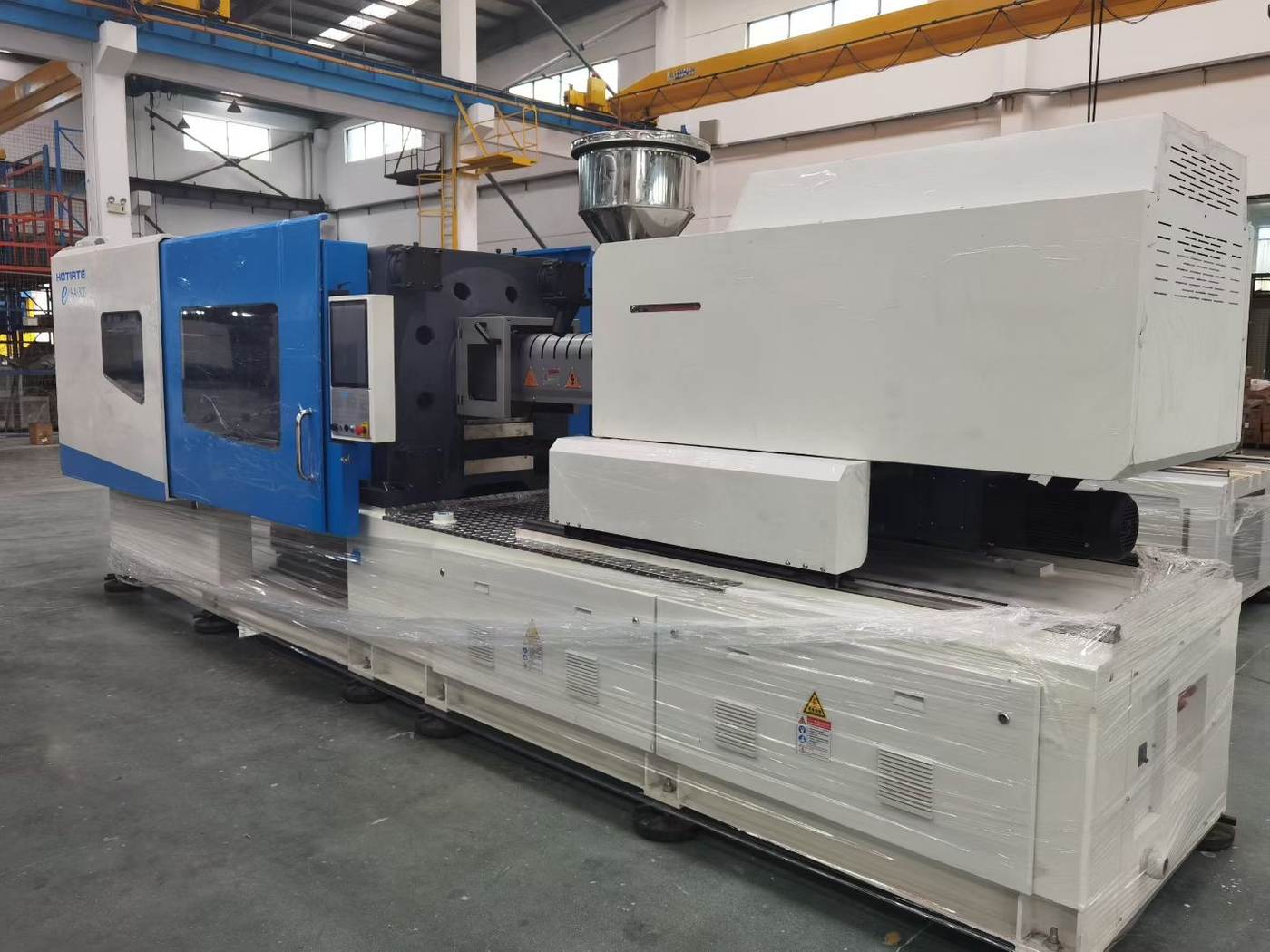
What cooling-water data should be prepared before a hydraulic injection molding machine quotation?
Ask GEERPOWER to separate machine-side hydraulic oil cooling, mold-side temperature control, buyer-side water or chiller supply and acceptance evidence. Exact model, flow, pressure, inlet temperature, water quality, FAT, SAT, price and delivery remain NEEDS_EVIDENCE until documented for the selected project.
Decision checklist
- Include cooling-water requirements in the first RFQ package, not after machine pricing.
- Submit mold cooling layout, resin, target cycle and expected ambient conditions.
- Separate oil-cooler requirements from mold-temperature controller requirements.
- Keep cooling capacity, oil-temperature result, energy saving and cycle result as NEEDS_EVIDENCE until project evidence exists.
Cooling belongs in the RFQ
A hydraulic injection molding machine quote should define cooling water before the buyer compares tonnage, delivery and price. Cooling scope affects hydraulic oil temperature, mold temperature control, cycle stability, hose routing, water quality and acceptance testing.
The project file should identify machine-side cooling, mold-side cooling, buyer-side utility supply and the evidence that can be checked before shipment or after installation.
Do not treat a generic water connection as proof that the factory utility system is ready for production load.
Build the cooling evidence table
The buyer should provide ambient temperature, production schedule, mold drawings, cooling circuit count, water inlet temperature, pressure, flow and water-quality context. GEERPOWER can then clarify which items belong to the machine supply and which remain buyer-side utilities.
Public temperature-control and machinery references support the evidence categories, but they do not size a cooling system for a buyer's exact factory.
- Hydraulic oil cooling: ambient condition, schedule and oil-cooler connection.
- Mold cooling: circuit count, connection position and temperature-control need.
- Water supply: inlet temperature, pressure, flow and water quality.
- Auxiliary boundary: chiller, tower, hoses, valves, couplings and gauges.
- Acceptance: what can be reviewed during FAT, SAT or both.
Technical limitations
ISO 20430 and OSHA guidance support the safety boundary around injection molding equipment. EUROMAP and temperature-control materials support interface and utility discussions.
They do not prove GEERPOWER cooling performance, oil-temperature stability, utility fit, delivery or price for a future project. Those items stay NEEDS_EVIDENCE until the exact configuration is documented.
Common buyer questions
Is cooling water only a site-readiness issue?
No. It is both a machine project issue and a site utility issue. The buyer should know what the machine needs, what the mold needs and what the factory must provide.
Can a standard hydraulic machine quote prove oil-temperature stability?
No. Oil-temperature stability depends on the selected machine, process load, water supply, ambient temperature and acceptance method.
Should cooling be checked at FAT?
Machine-side cooling functions can often be reviewed at FAT, but final utility performance usually depends on site water supply and production conditions.
Sources and references used for this guide
This guide supports early project planning. Final machine selection and commercial configuration must be confirmed from the actual part, mold, material, factory utilities and production target.