How should a buyer check the service history of a used injection molding machine?
Ask for a dated maintenance file, controller evidence, hydraulic oil and filter records, lubrication records, safety-device checks, repair invoices, parts replacement proof and a running test for the same machine. If records are missing, keep the condition item marked NEEDS_EVIDENCE instead of treating the machine as well maintained.
Decision checklist
- Match maintenance records to the exact nameplate, serial field or internal machine ID.
- Separate routine maintenance, emergency repair, replacement parts and unresolved faults.
- Ask for hydraulic, lubrication, cooling, electrical and safety records before deposit discussion.
- Keep operating hours, oil condition, repair scope, uptime and test result as NEEDS_EVIDENCE until documented.
Start with records that belong to the same machine
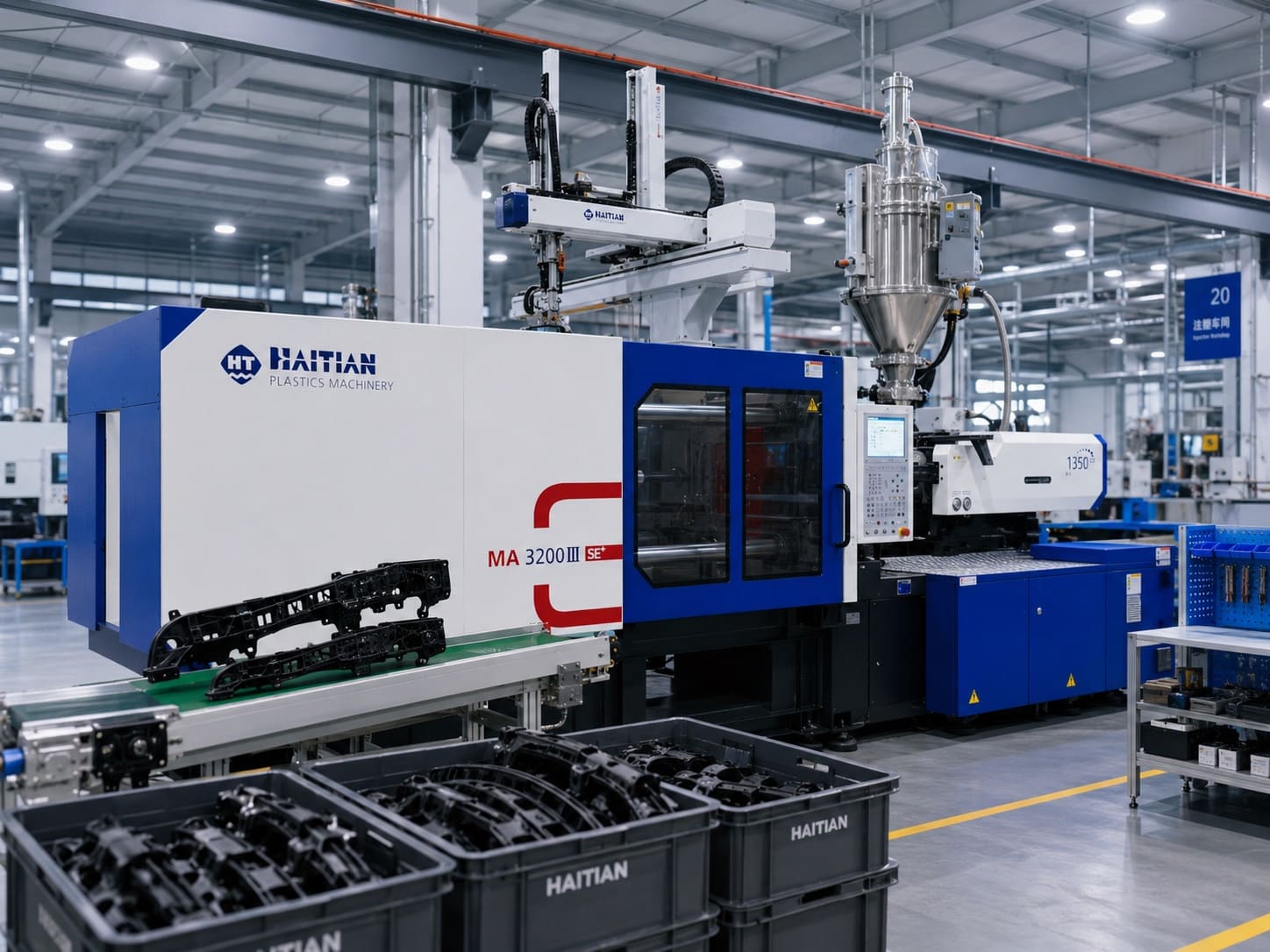
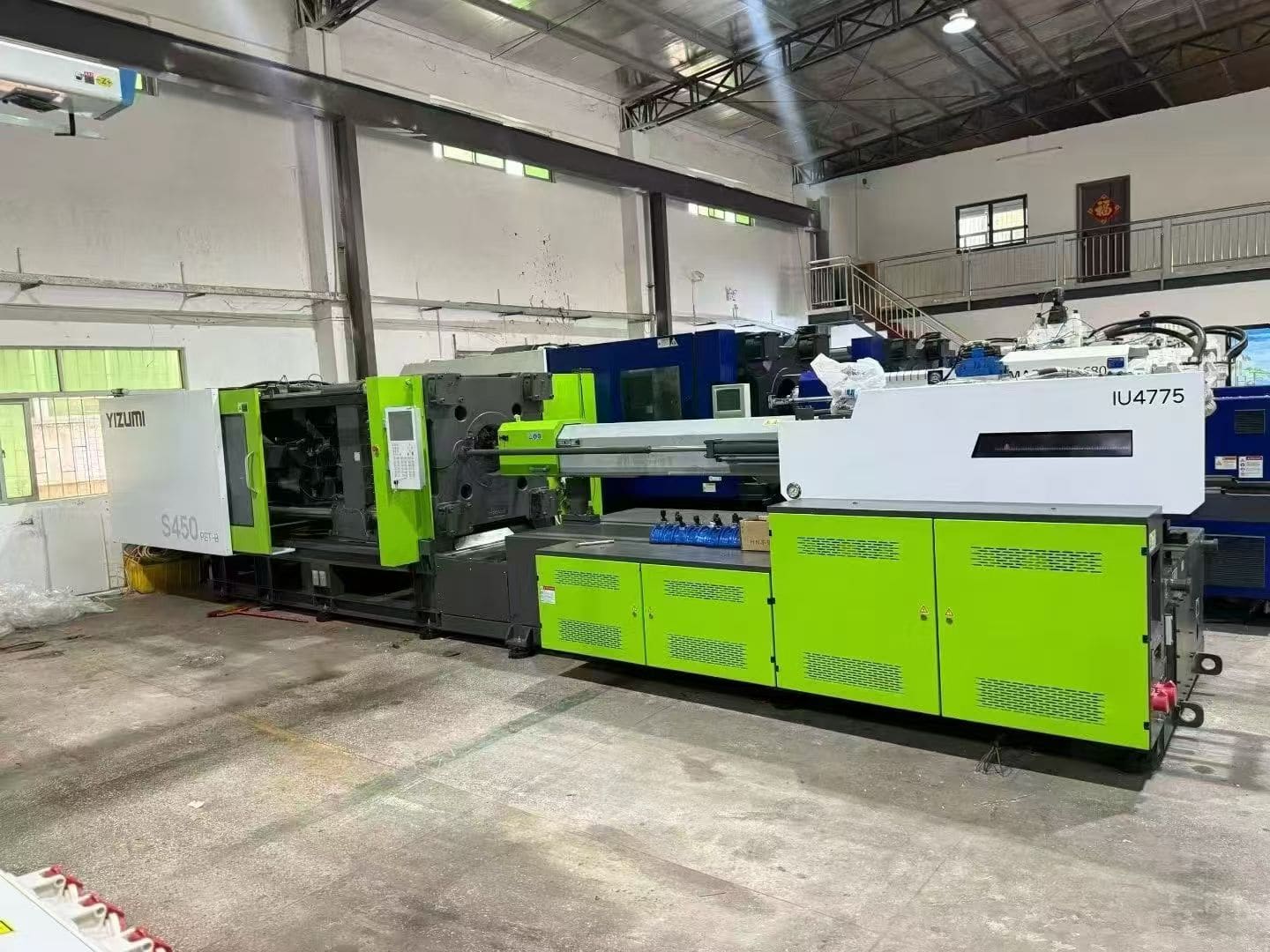
A service history is useful only when it belongs to the exact machine being offered. Match every record to the nameplate, serial field, internal asset number, controller photos or other machine identity evidence.
Preventive maintenance providers such as ENGEL and ARBURG frame maintenance around machine value retention, availability, inspection and measured service work. That supports a buyer rule: a used machine should be reviewed through records and evidence, not through a broad condition label.
A clean exterior is not a maintenance history. Treat unsupported service claims as open evidence.
Build a service-history evidence table
The buyer file should separate dated records from seller statements. Hydraulic oil, filters, lubrication, cooling system, electrical cabinet, heaters, guards, interlocks, screw/barrel service, pump and valve work should not be mixed into one phrase such as recently serviced.
Huarong's maintenance guidance discusses hydraulic oil selection, regular oil testing, oil temperature, oil changes and cleaning. The exact interval for a used machine depends on the manufacturer, machine type, usage and environment, so do not copy one interval as a universal rule.
- Machine identity record: nameplate, serial field and controller screen.
- Hydraulic record: oil type, oil test, filter change, cooler cleaning, pump or valve repair.
- Lubrication record: grease points, ways, toggle or platen motion points and missed intervals.
- Electrical record: cabinet condition, fans, terminals, heaters, sensors and controller alarms.
- Safety record: guards, interlocks, emergency stop and lockout procedure evidence.
- Running record: dry cycle, heated operation and mold trial when available.
Use maintenance gaps as negotiation facts
A missing record does not automatically mean a machine is unusable, but it changes the risk. The buyer may need a deeper inspection, spare-parts allowance, service visit, oil analysis, screw/barrel measurement or lower commercial exposure before accepting the machine.
Do not hide missing records in marketing copy. Mark the item NEEDS_EVIDENCE and state which inspection or document is needed to close it.
Technical limitations
Maintenance records do not prove current production performance by themselves. A used machine with good records still needs identity confirmation, controller checks, functional testing, mold-fit review and destination safety review.
OSHA hazardous-energy guidance is relevant when service work or inspection exposes workers to electrical, hydraulic, pneumatic or mechanical energy. The buyer's local safety team should review the machine after installation.
Common buyer questions
Can a seller's maintenance statement replace service records?
No. It can start the discussion, but the buyer should ask for dated records, photos, invoices, controller evidence or inspection results.
Is operating-hour data enough to judge condition?
No. Hours should be reviewed together with service history, working environment, oil condition, wear evidence and running tests.
What if the records are missing?
Keep the item marked NEEDS_EVIDENCE and decide whether the purchase still makes sense after a deeper inspection and risk allowance.
Sources and references used for this guide
This guide supports early project planning. Final machine selection and commercial configuration must be confirmed from the actual part, mold, material, factory utilities and production target.