What electrical checks matter before importing a second hand injection molding machine?
Confirm supply voltage, frequency, phase, transformer need, cabinet condition, grounding, controller status, motor and heater ratings, safety circuits, emergency stop, wiring diagrams and destination review before import. If any electrical detail is only claimed by the seller, keep it marked NEEDS_EVIDENCE.
Decision checklist
- Record the buyer factory supply and the machine's nameplate electrical requirements.
- Request cabinet, controller, motor, heater and alarm evidence for the same machine.
- Check whether a transformer, rewiring, component replacement or local review is required.
- Keep electrical conformity, safety, uptime and commissioning claims as NEEDS_EVIDENCE until documented.
Electrical fit is a project risk, not a small detail
Second hand injection molding machines often move between countries with different electrical supply conditions. A press may need a transformer, wiring review, component replacement, documentation update or local safety assessment before it can be connected safely.
IEC 60204-1 applies to electrical, electronic and programmable electronic equipment and systems for machines, beginning at the point where the electrical equipment is connected to the supply. That makes supply compatibility, cabinet documentation and control response part of the buying review.
Do not accept a machine as factory-ready until the electrical interface is checked against the buyer's site.
Build the electrical evidence file
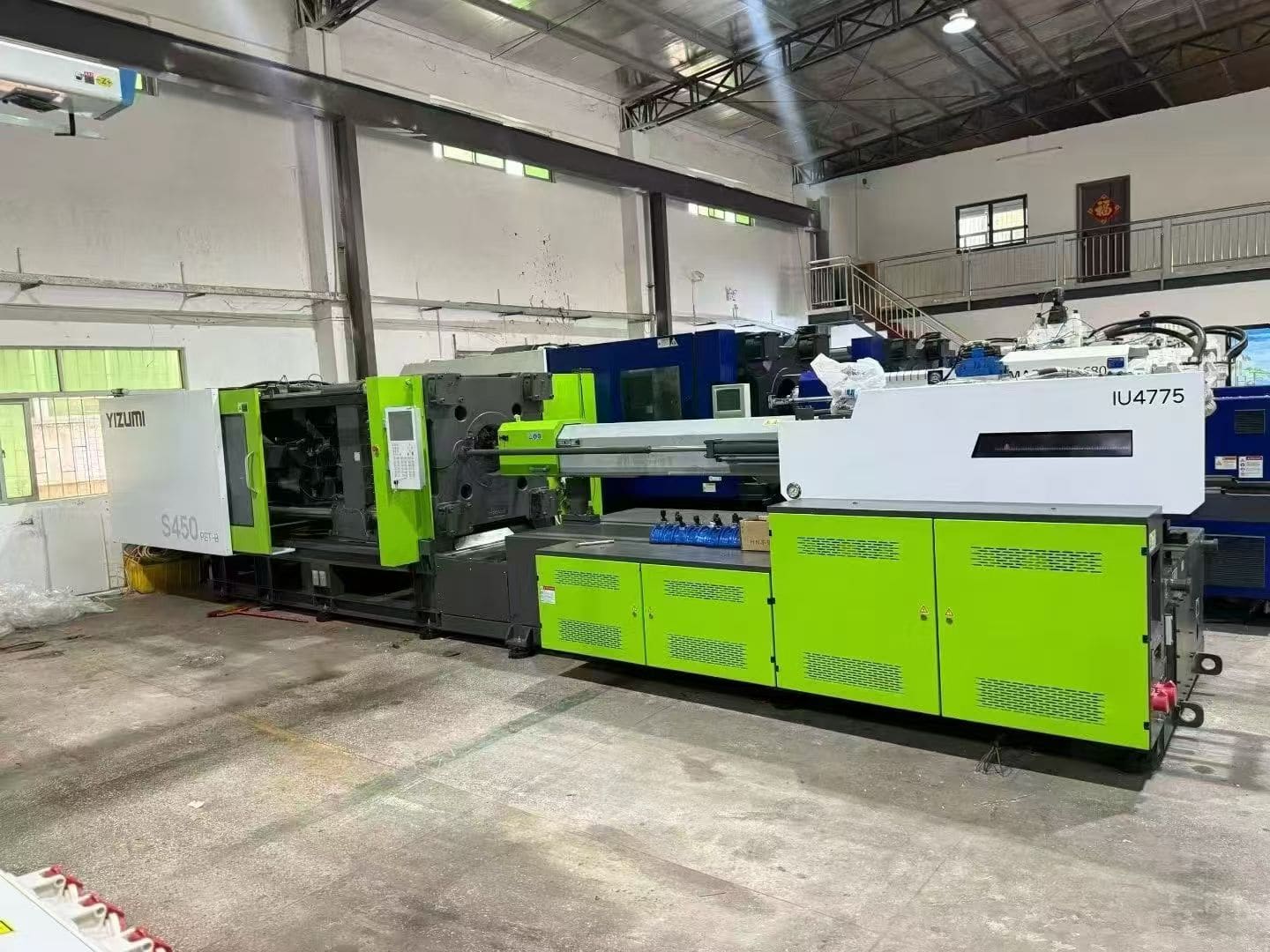
Start with the machine nameplate, electrical cabinet photos, controller screens and the buyer's factory supply. Then compare voltage, frequency, phase, full-load current, transformer scope, motor ratings, heater ratings, grounding, cable entry and cabinet cooling.
For a used machine, also look for overheated terminals, loose wiring, modified relays, bypassed safety circuits, missing labels, damaged fans, unreadable diagrams or undocumented controller changes.
- Buyer supply: voltage, frequency, phase, transformer capacity and local rules.
- Machine evidence: nameplate, cabinet overview, component labels and controller screen.
- Power components: main disconnect, breakers, contactors, drives, motors and heaters.
- Control evidence: alarm page, I/O page, emergency stop and safety-door signals.
- Documents: electrical diagram, parameter backup and changed-component list.
Plan destination review before shipment
Electrical review should happen before the machine is loaded, not after it reaches the factory. If the buyer's site differs from the machine's supply requirements, record whether the solution is a transformer, site wiring change, machine modification or rejection of the offer.
For EU-bound machinery projects, Regulation (EU) 2023/1230 sets health and safety requirements for machinery placed on the market or put into service. A used-machine article should not claim destination compliance without the specific documentation and role review.
Technical limitations
This checklist is not electrical engineering advice and does not replace a licensed local review. It helps buyers collect the evidence needed before asking an electrician, technician, broker or safety reviewer to evaluate the machine.
OSHA machine-guarding and hazardous-energy guidance are relevant when electrical work affects guards, interlocks, emergency stop or service access.
Common buyer questions
Can a transformer solve every voltage mismatch?
No. A transformer may solve part of the supply issue, but control voltage, motors, heaters, drives, grounding, documentation and safety circuits still need review.
Should the buyer request the electrical diagram?
Yes. The diagram helps technicians understand original wiring, modifications, safety circuits and replacement needs.
Is a power-on video enough?
No. It is useful evidence, but it does not prove destination compatibility, cabinet condition or safety-circuit integrity.
Sources and references used for this guide
This guide supports early project planning. Final machine selection and commercial configuration must be confirmed from the actual part, mold, material, factory utilities and production target.