How can a buyer check screw and barrel wear on a used injection molding machine?
Ask for material history, screw and barrel service records, plasticizing and recovery video, heater-zone evidence, injection pressure behavior, molded sample evidence and direct measurement where the purchase risk justifies it. If screw, barrel or check-ring condition is not measured or documented, keep it marked NEEDS_EVIDENCE.
Decision checklist
- Do not accept shot-size or melt-quality claims from model data alone.
- Request screw/barrel service records, material history and current injection-unit video.
- Look for symptoms such as unstable recovery, poor melt quality, leakage or inconsistent shot behavior.
- Keep rebuilt, replaced, low-wear and production-ready claims as NEEDS_EVIDENCE until supported.
Why injection-unit wear matters
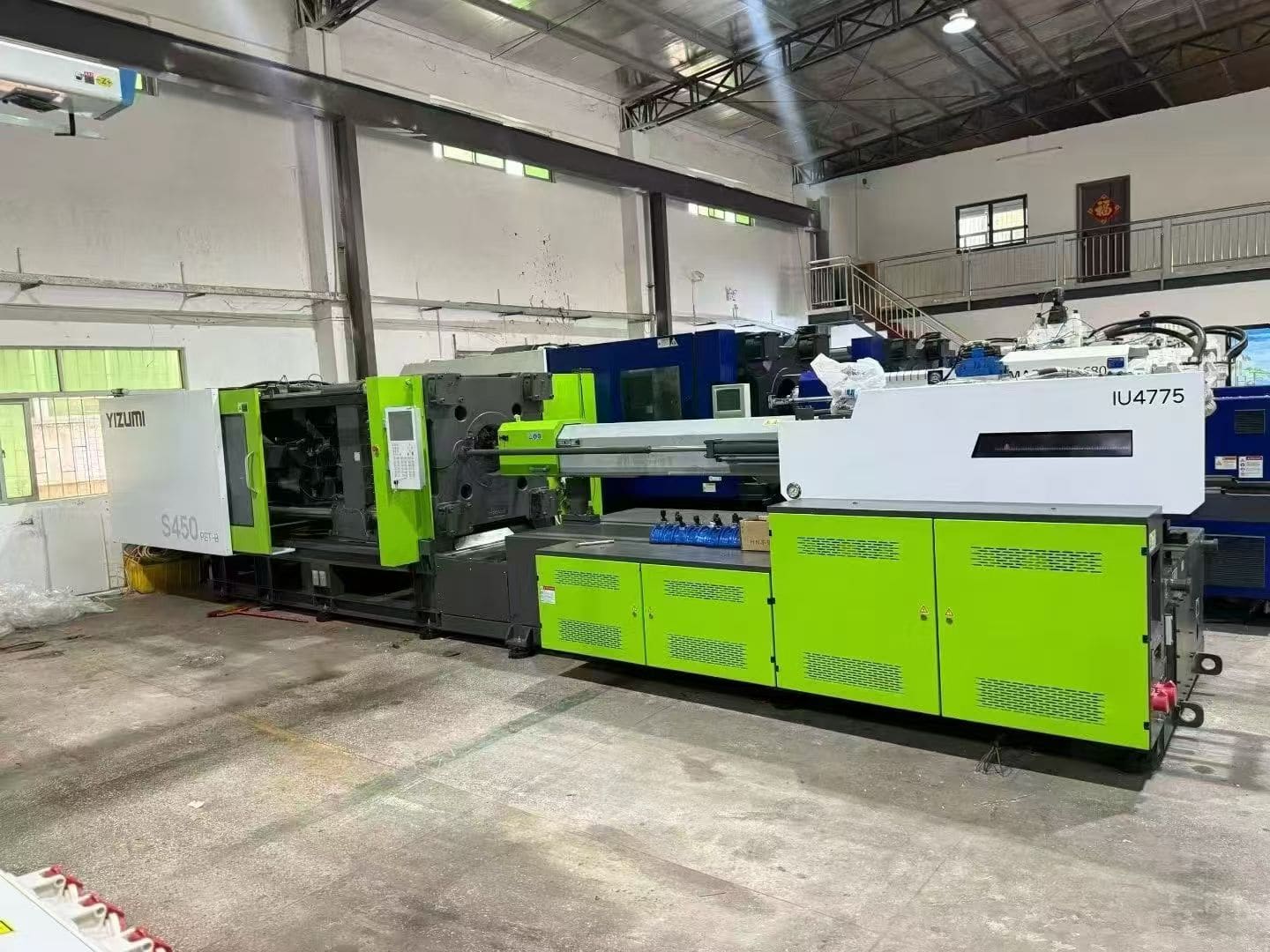
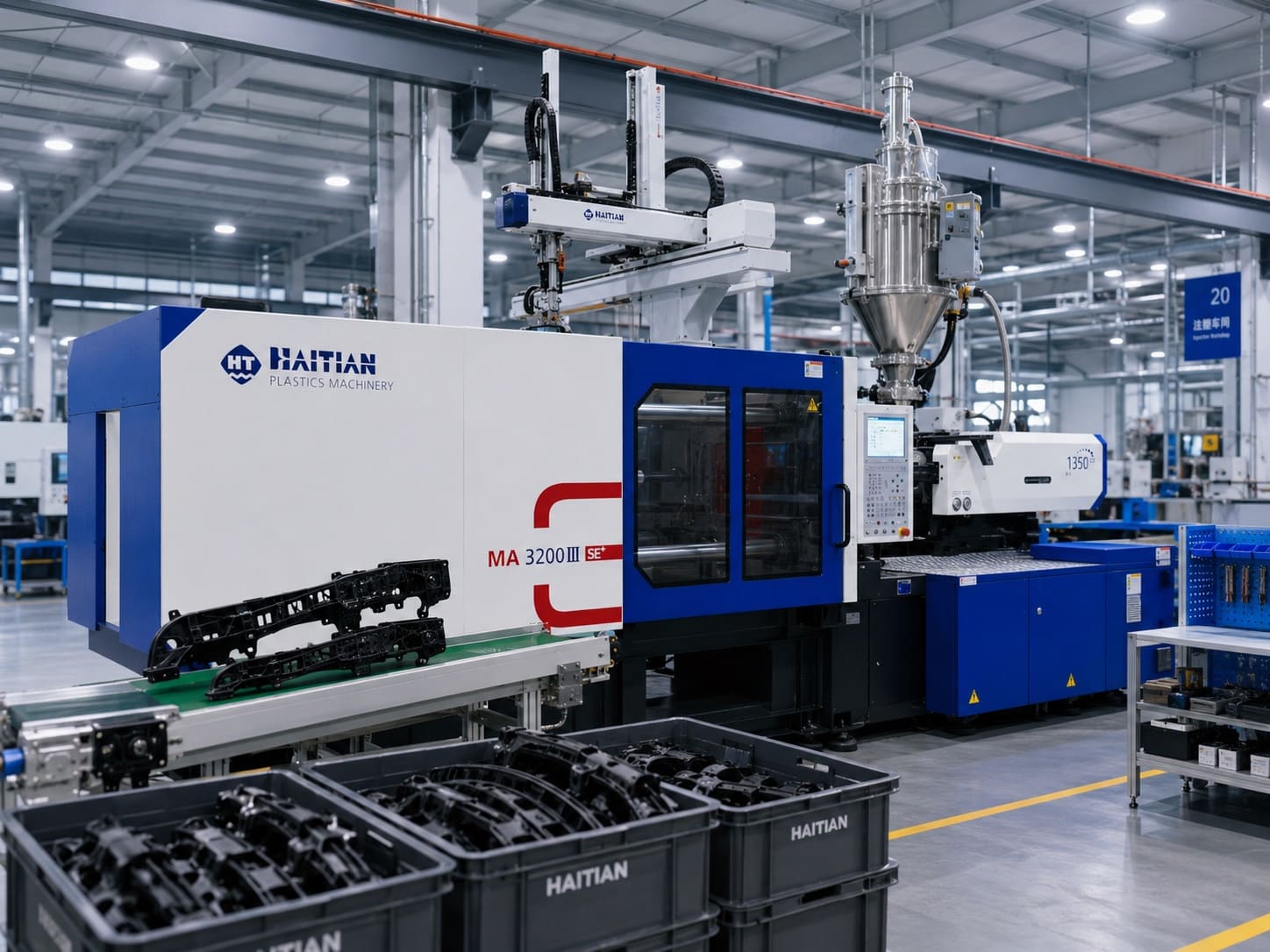
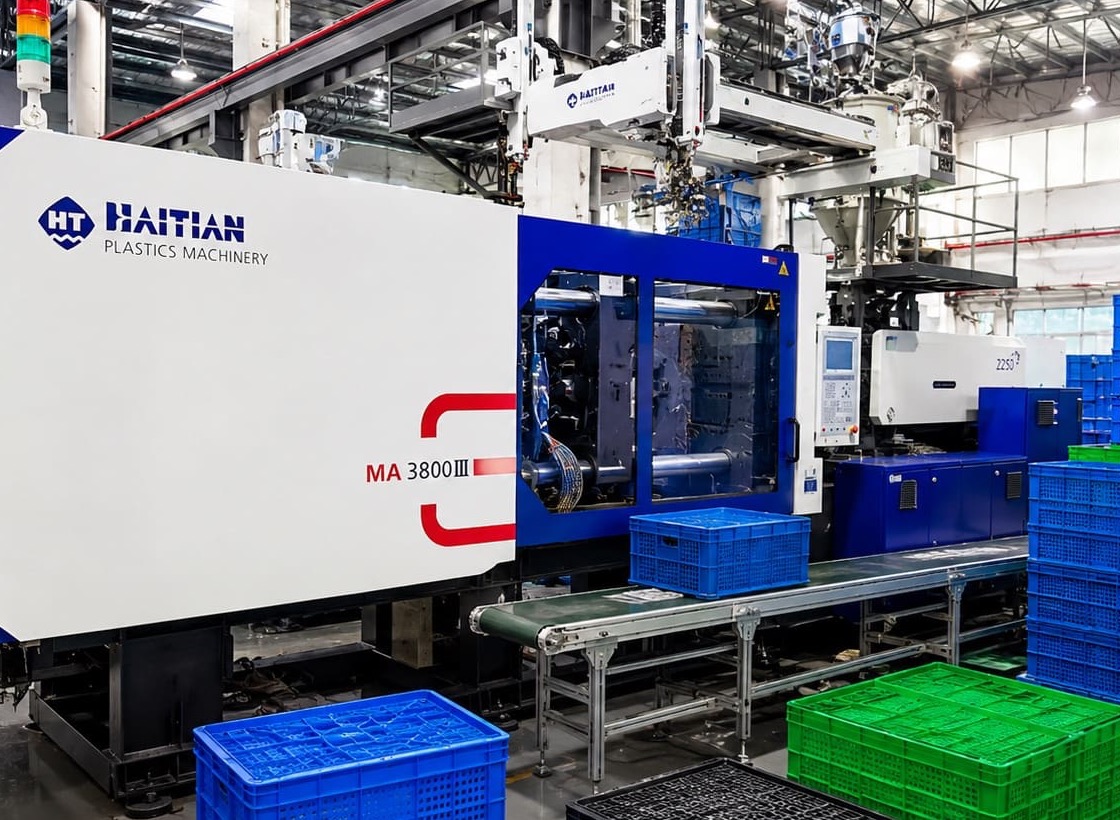
The injection unit can hide expensive risk. A used machine may power on and dry cycle while still having screw, barrel or non-return-valve wear that affects plasticizing, shot consistency, melt quality, recovery time and part stability.
Plastics Technology explains that screw wear can affect melt quality and creates a rebuild-versus-replacement decision. Santa Fe Machine's screw wear guidelines discuss the relationship between screw/barrel clearance and performance. These sources support a simple buyer rule: do not infer injection-unit condition from exterior appearance.
Evidence to request before shortlisting
Start with material history. Glass-filled, abrasive, corrosive or high-temperature materials can change wear risk. Then ask for screw and barrel service records, replacement invoices, current screw rotation video, carriage movement, heating screen, recovery behavior and any available molded sample evidence.
If the seller claims the screw, barrel or check ring was replaced, ask for parts records and photos. If the condition is critical to the project, request measurement by a qualified technician.
- Material history and abrasive or corrosive resin exposure.
- Screw, barrel and non-return-valve replacement or repair records.
- Heating-zone screen and current temperature behavior.
- Screw rotation, recovery, injection and carriage movement video.
- Molded samples and process data when a mold trial is available.
- Direct measurement record when the purchase risk is high.
Connect wear evidence to the buyer's part
A worn injection unit may still be acceptable for some low-risk products, but it may fail for tight shot repeatability, thin walls, optical surfaces, engineering resins or fast recovery targets. The buyer should compare wear risk against part weight, resin, cavity count, quality target and cycle requirement.
Eastman's processing guidance and Avient's mold design guidance both show that material, mold and process conditions affect molding quality. The injection unit should therefore be reviewed as part of the product and mold file, not as an isolated machine detail.
Technical limitations
Remote video cannot measure screw and barrel clearance. A seller statement cannot prove a rebuild. A model specification cannot prove the current condition of a used injection unit.
When the risk is material, use technician measurement, supplier records, test shots and buyer engineering review before final acceptance.
Common buyer questions
Can screw and barrel wear be checked from photos?
Only partially. Photos can show some visible damage after disassembly, but wear usually needs records, process evidence or measurement.
Is a replaced screw enough to remove the risk?
No. The barrel, check ring, material history, installation quality and current process behavior still need review.
Should a buyer reject every machine with unknown screw wear?
Not always. The buyer should price the risk, request deeper inspection or choose another machine depending on the product requirement and commercial exposure.
Sources and references used for this guide
This guide supports early project planning. Final machine selection and commercial configuration must be confirmed from the actual part, mold, material, factory utilities and production target.