How should a buyer inspect a used injection molding machine?
Inspect the exact machine—not the sales label—by matching its nameplate and controller identity, testing the clamping, injection, heating and safety functions, checking the actual mold and factory interfaces, and documenting repairs, packing and delivery scope in writing. Appearance, brand and operating hours are useful signals, but they do not replace functional evidence.
Decision checklist
- Match the quotation, nameplate, controller, serial number and installed configuration.
- Require a running test covering clamp, injection, charging, heating, ejection and safety interlocks.
- Confirm tie-bar space, mold thickness, shot requirement, voltage, cooling and production interfaces.
- Separate observed condition, completed work, planned work, exclusions and delivery scope.
Start with machine identity, not appearance
Before discussing condition, confirm exactly which machine is being offered. Record the manufacturer, model, serial number, manufacturing year, clamping force, injection-unit designation, controller, voltage, frequency and installed options from the nameplate and controller screens.
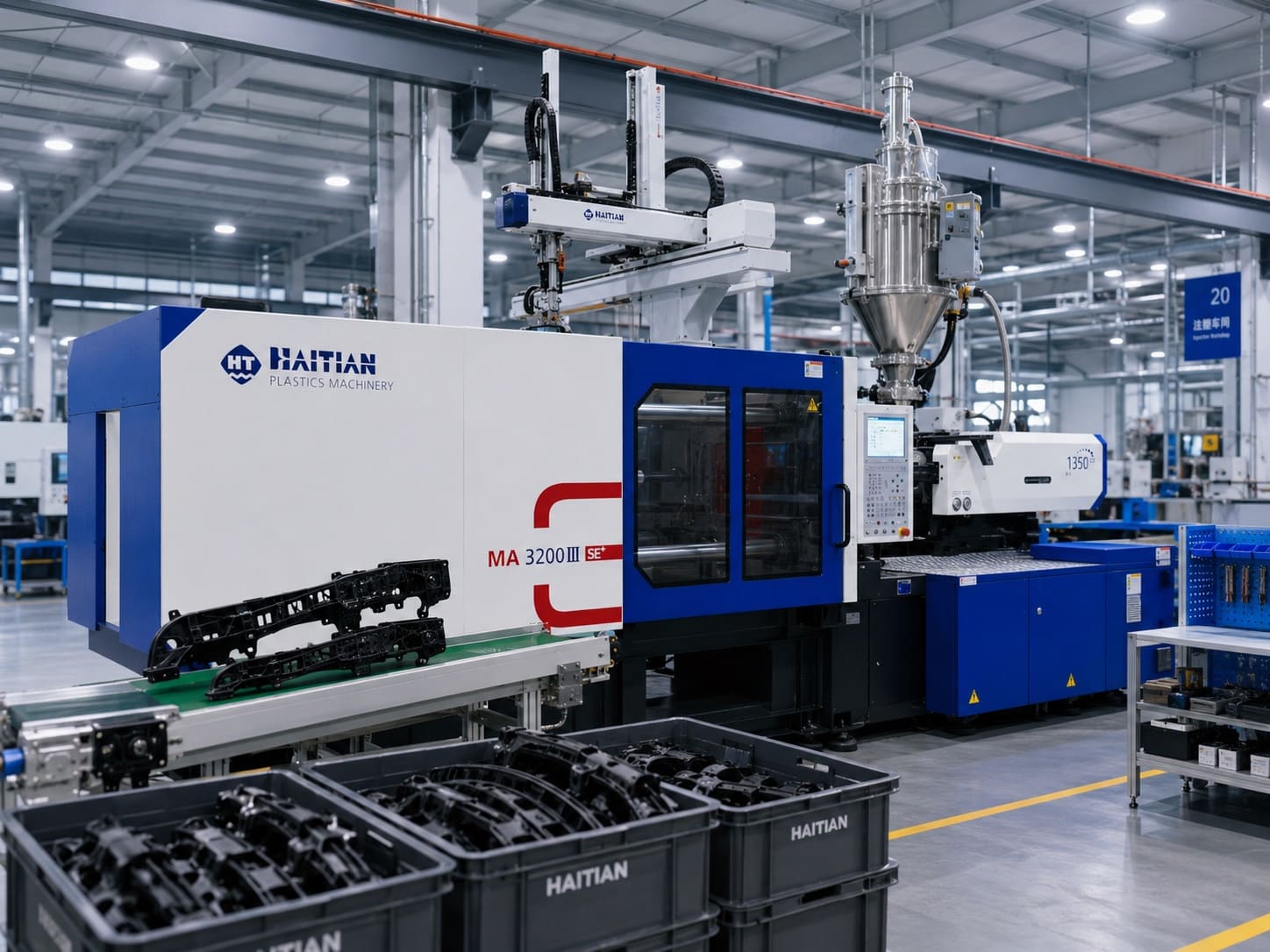
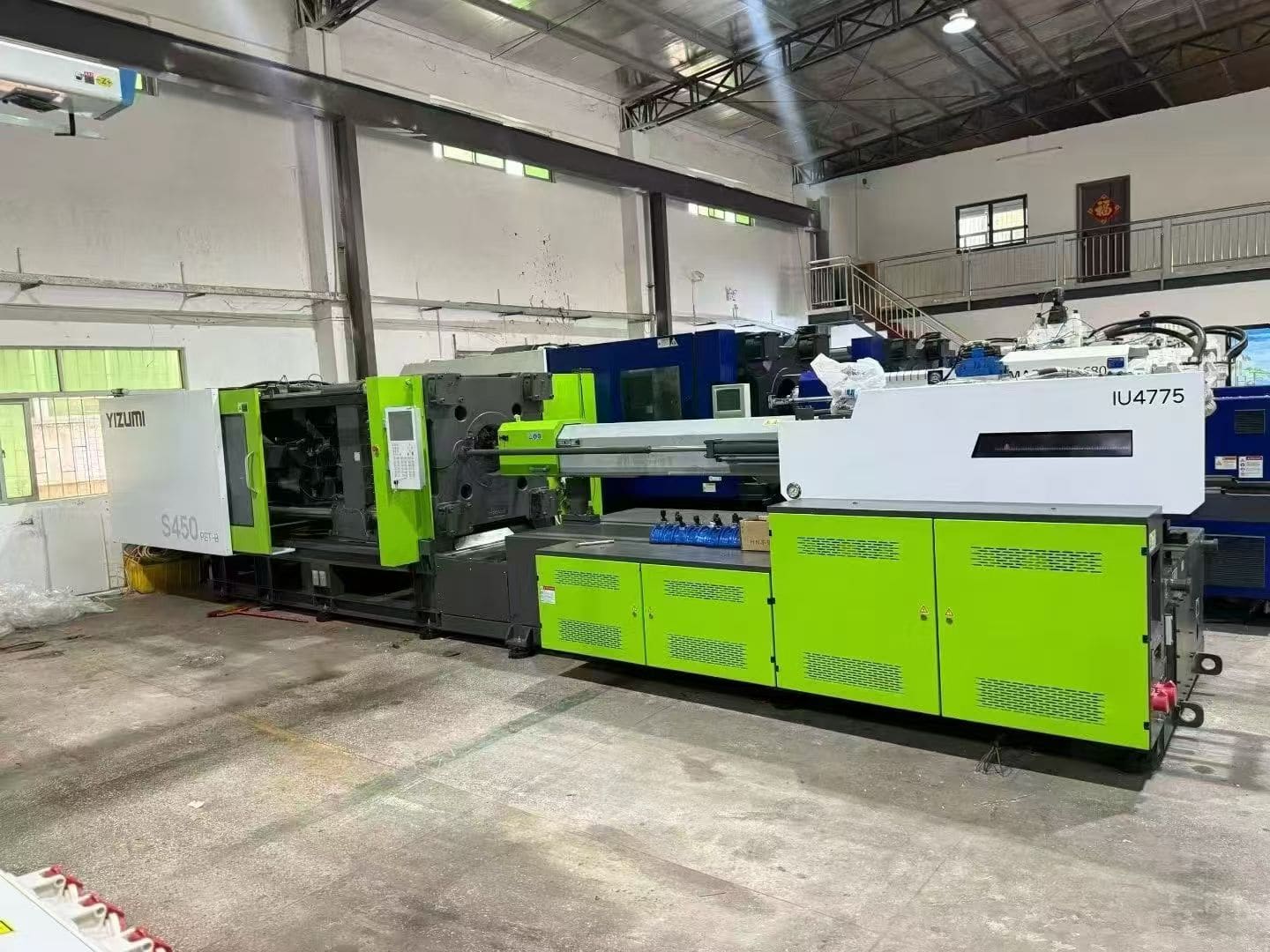
The quotation, nameplate, controller information and machine photographs should describe the same configuration. This is important for established platforms such as Haitian, Yizumi and Chen Hsong because one model family may include different screw sizes, control generations and option packages.
A recognizable brand or model series does not confirm the exact machine configuration. Match the identity evidence before comparing price.
Review the controller and operating history
Power up the controller and check the display, keys, alarm history, input and output status, operating-hour information when available, parameter access and communication with the machine. Record clear photos or video of the screens rather than relying on a written summary.
Operating hours are useful context, but they should be assessed together with maintenance history, working environment, component condition and functional testing. A low number by itself is not proof of a low-risk machine.
- Controller model, language and software access
- Current alarms and stored alarm history
- Automatic, manual and setup-mode operation
- Installed options and available input/output signals
- Available parameter backup, manuals and electrical drawings
Inspect the clamping unit and mold area
Inspect the platens, tie bars, toggle or clamping mechanism, mold-height adjustment, ejector, lubrication system and guarding. Look for abnormal wear, damaged threads, oil leakage, cracked or repaired areas, uneven platen marks and evidence that lubrication has been neglected.
Measure or document tie-bar spacing, platen dimensions, opening stroke, ejector arrangement and mold-thickness range. These values must be checked against the buyer's actual mold rather than assumed from the nominal tonnage.
Check the injection unit, hydraulics and electrical system
Review the screw and barrel information, nozzle area, injection carriage, heaters, thermocouples and material-feeding interface. Where internal wear cannot be measured before purchase, the inspection report should state the limitation instead of implying that unseen components are new.
Inspect pumps, motors, valves, hoses, cylinders, filters, oil condition, cabinet cooling, wiring, contactors and safety circuits. Check for active leakage, overheated connections, bypassed protection devices, undocumented modifications and parts that may be difficult to source in the destination market.
Require a functional running test
A useful running test demonstrates more than power-on. Operate the machine through clamping, mold adjustment, ejection, injection carriage movement, screw rotation, charging, heating and relevant safety interlocks. Record stable video that shows the controller and machine movement in the same test sequence.
When a suitable mold and material are available, a molding trial provides stronger evidence of repeatability, temperature control, pressure response and cycle operation. The trial conditions, material, mold and any unresolved items should be recorded with the video and sample evidence.
- Cold and heated start-up observations
- Manual and automatic sequence checks
- Clamp, injection, charging and ejector functions
- Safety-door and emergency-stop interlocks
- Cycle data, molded samples and open issues when a trial is possible
Confirm mold fit, utilities and production interfaces
A machine can be in good condition and still be wrong for the project. Confirm shot requirement, tie-bar space, mold thickness, opening and ejection needs, core-pull circuits, robot interface, power supply, cooling water, compressed air and material-handling requirements.
For export projects, voltage conversion, transformer scope, plug and cable standards, manuals, spare parts and local service capability should be agreed before shipment. These items belong in the technical comparison, not in a later delivery conversation.
Define repair, packing and commercial scope in writing
The final inspection record should separate observed condition, completed work, planned work and items not tested. State whether cleaning, repainting, oil service, seals, hoses, heaters, safety devices, controller backup, spare parts and trial work are included.
The quotation should also define packing, loading, shipping term, documents, commissioning responsibility, warranty or support scope and exclusions. This converts an attractive machine listing into a comparable project offer.
The safest buying decision is based on traceable evidence and a written scope—not on a single condition label such as good, refurbished or like-new.
Common buyer questions
Is a running video enough to approve a used injection molding machine?
No. A useful video supports the review, but the buyer should also match machine identity, controller and configuration records, document the test conditions, record untested functions and confirm mold, utility and delivery interfaces.
Which safety checks belong in a used-machine inspection?
Check guards, safety doors and interlocks, emergency stops, electrical protection and any evidence of bypassed devices. Servicing and maintenance also require destination-specific lockout and energy-control review by qualified personnel.
Sources and references used for this guide
This guide supports early project planning. Final machine selection and commercial configuration must be confirmed from the actual part, mold, material, factory utilities and production target.