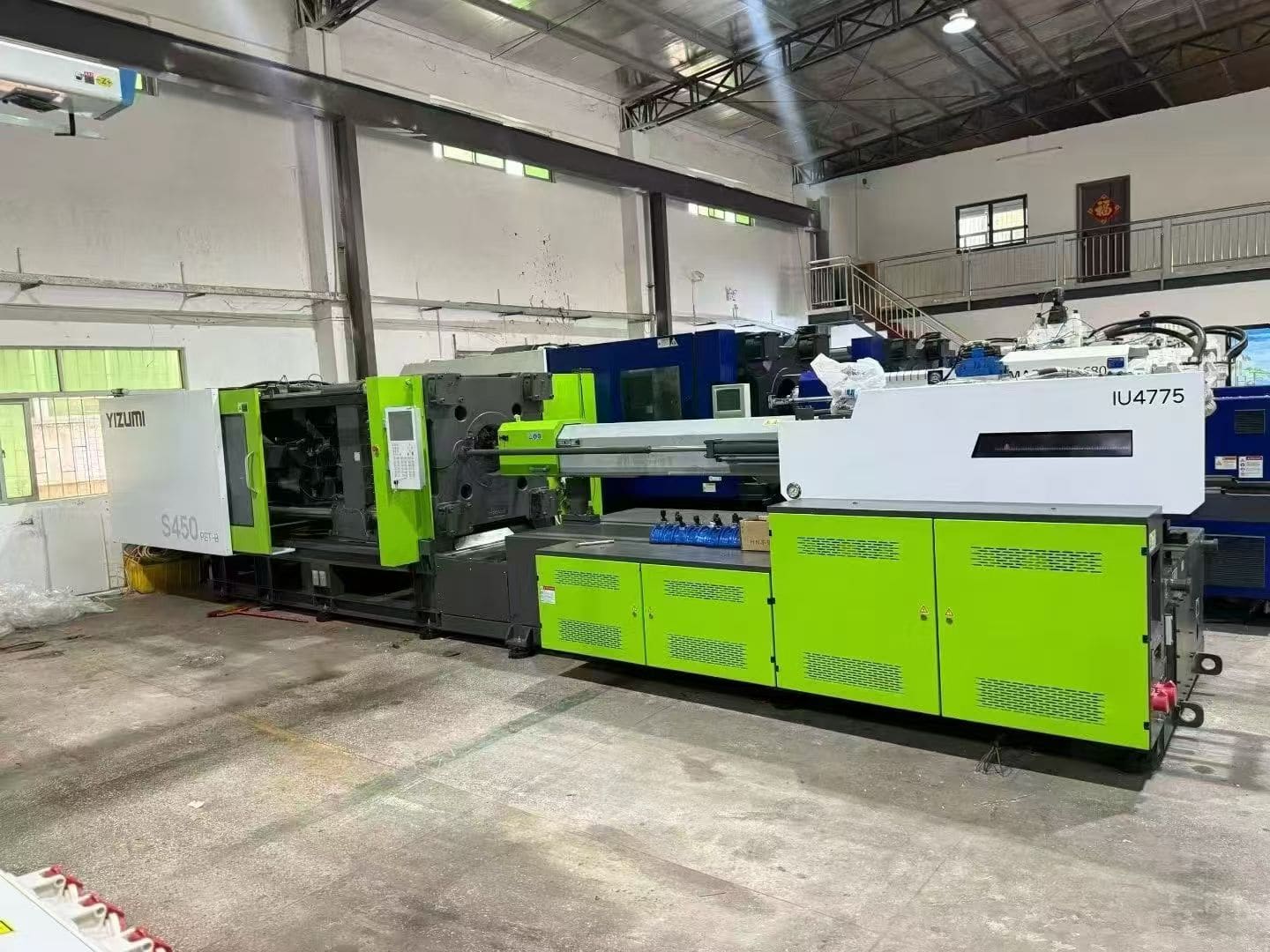
How should a second hand injection molding machine be prepared for export?
Measure the machine and every package after dismantling, confirm weight and lifting points, match the cargo to the actual container door opening and payload, protect exposed systems, document compliant wood packaging when required, secure the load against movement, align the invoice and packing list, and keep photographs from pre-packing through container sealing. Final methods must be confirmed by the packer, forwarder and destination broker for the exact shipment.
Decision checklist
- Use actual transport dimensions and package weights, not only catalog data.
- Confirm container door opening, payload and loading method with the forwarder.
- Record corrosion protection, moving-part restraint, blocking, bracing and sealing.
- Align the commercial invoice, packing list, import data and unloading plan.
Measure the machine after dismantling
A used injection molding machine may travel as one body or as several packages containing the machine, hopper, loader, robot, manifolds, guards, spare parts and documentation. Freight planning should use the actual shipment condition, not a brochure outline or a previous machine of similar tonnage.
Create a transport sheet for every package. Include length, width, height, gross weight, lifting points, forklift entries, center-of-gravity notes and photographs. Unconfirmed values should remain marked as open evidence rather than copied from an approximate source.
Check the door opening before the internal volume
The container door can be the limiting dimension. A machine may fit the theoretical internal space but fail at the door because of its base, packing frame, lifting angle or protruding components. Payload and floor loading also need confirmation for heavy equipment.
Hapag-Lloyd states that its published specifications are examples because containers vary by manufacturer. CMA CGM likewise presents technical values as non-contractual examples. Use carrier data for planning, then have the forwarder confirm the equipment allocated to the shipment.
Do not book a standard or high-cube container until actual package dimensions, door clearance, weight and loading method have been reviewed together.
Document the export packing scope
The packing file should show how the machine is protected from corrosion, moisture, impact and uncontrolled movement. It should also show what has been disconnected, capped, fixed or packed separately. The exact method depends on the equipment and route and should be designed by competent packing and logistics providers.
- Clean loose resin, debris and avoidable contamination from the machine and packages.
- Protect exposed metal and sensitive control or electrical components for the planned transport environment.
- Fix platens, injection-unit movement, guards and loose accessories as required by the packing plan.
- Cap open hydraulic or cooling connections and identify every disconnected line.
- List every accessory, spare part, manual and document on the packing list.
Confirm ISPM 15 evidence when regulated wood is used
Wood bases, crates, blocks and dunnage can be subject to destination phytosanitary rules. European Commission guidance states that wood packaging and dunnage entering the EU from non-EU countries must meet the applicable ISPM 15 treatment, marking and debarking requirements, subject to listed exceptions.
Ask the packer and destination broker whether the material used is regulated. When an ISPM 15 mark is required, keep clear photographs that show the complete mark on the actual package. Processed wood products and other exceptions should be assessed against the destination rule rather than assumed.
Create a loading record before sealing
Maersk's container-stuffing guidance highlights planning, weight distribution, securing, documentation and sealing. For machinery, the buyer should receive a visual loading record before the container leaves the supplier's site.
- Empty-container condition and identification before loading
- Machine position, floor contact and clearance from the door, roof and walls
- Blocking, bracing, chains, straps or other engineered restraint used by the loading provider
- Accessory-package location and protection from contact with the machine
- Final container number, seal number, packing-list check and overall photographs
Align the invoice, packing list and import data
The commercial invoice and packing list should identify the same buyer, seller, machine description, package count, value basis, dimensions and weights used by the logistics team. The buyer's broker should review the proposed classification and destination filing data before loading.
For covered U.S.-bound ocean cargo, CBP states that an Importer Security Filing is due before vessel loading and identifies required data elements. This is a destination-specific example, not a universal document list; buyers should obtain current instructions from their own broker.
Prepare the destination before the vessel arrives
The receiving team needs the cargo weight, unloading sequence, lifting points and required crane, forklift, skates or rigging. Check site access, floor capacity, doorway dimensions and where the machine will be staged after unloading.
This guide cannot decide between standard container, open top, flat rack, breakbulk or another route, and it cannot confirm freight, duty, insurance or local compliance. Those decisions require the exact cargo, route, destination and professional confirmations.
Common buyer questions
Can every used injection molding machine ship in a 40-foot high-cube container?
No. Suitability depends on actual package dimensions, door clearance, gross weight, payload, loading angle, securing method and the carrier equipment confirmed for the shipment.
Is ISPM 15 always required for machinery shipments?
It depends on the destination and the type of wood packaging or dunnage used. Confirm the destination rule with the packer and customs broker and retain mark photographs when required.
Why should the buyer request loading photographs?
They provide a record of container condition, cargo position, protection, restraint, accessory placement, container number and seal before the shipment leaves the supplier.
Sources and references used for this guide
This guide supports early project planning. Final machine selection and commercial configuration must be confirmed from the actual part, mold, material, factory utilities and production target.