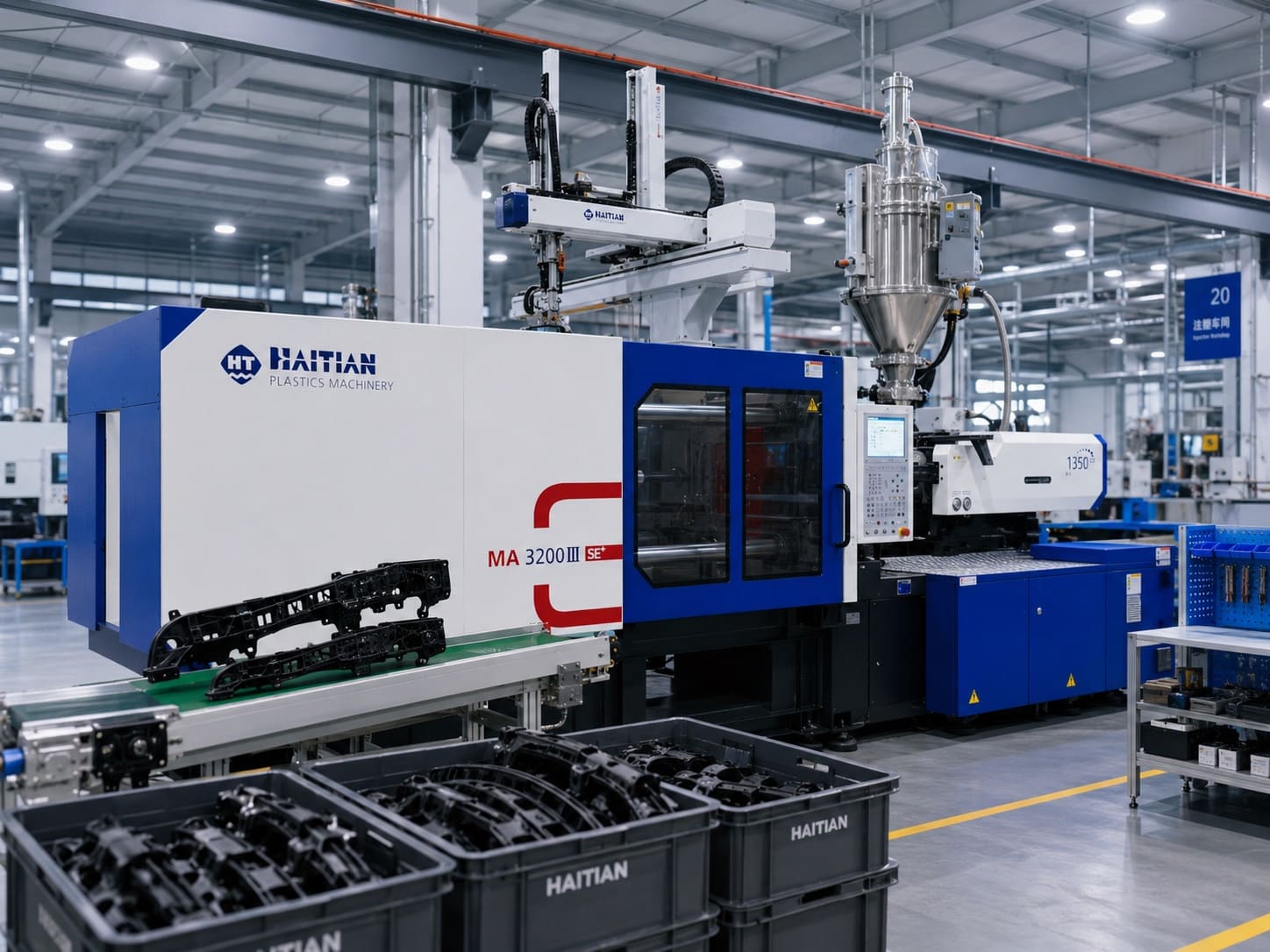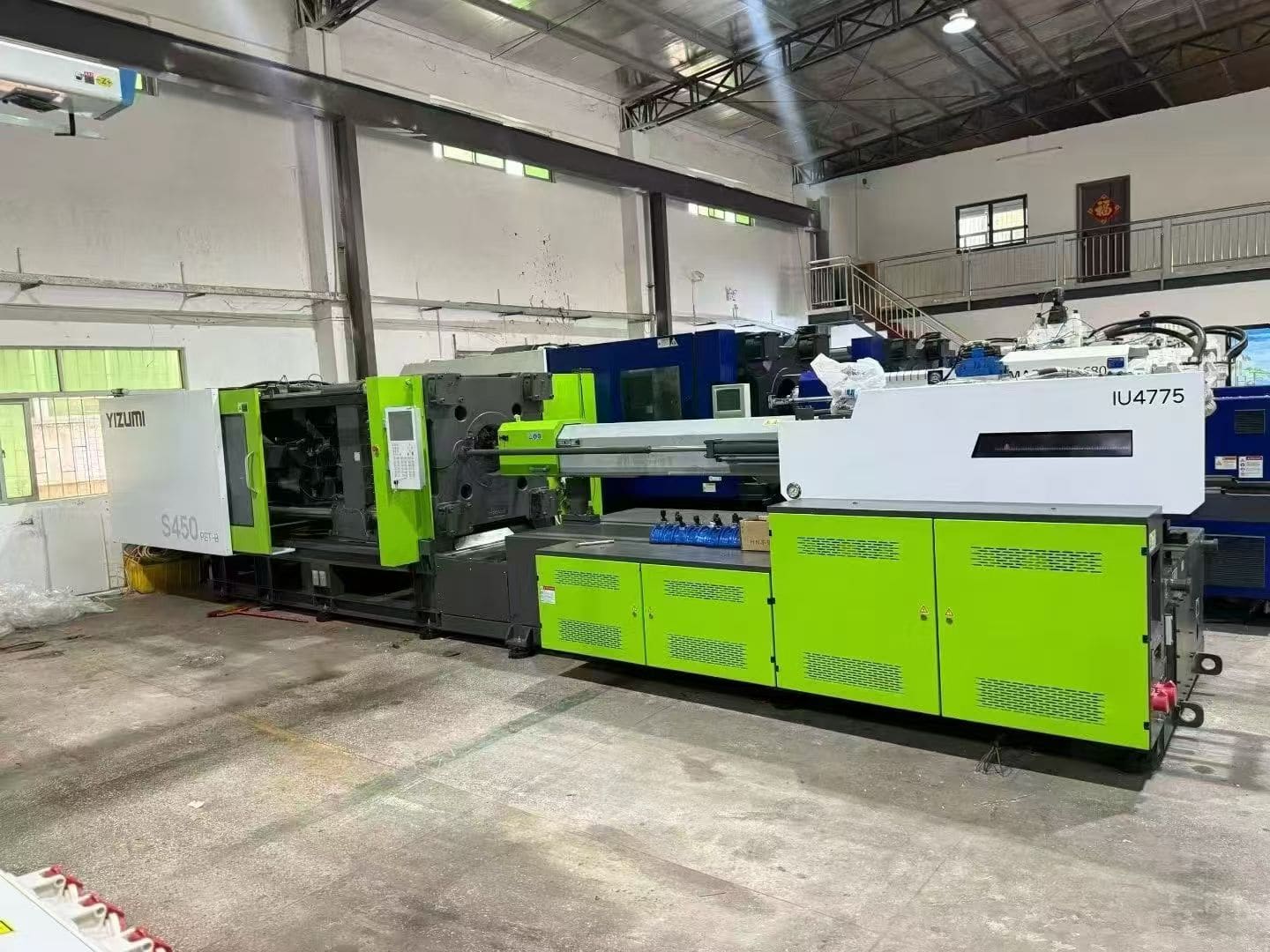
What is the real cost of a used injection molding machine?
The real cost is the machine price plus verification, repair or refurbishment, dismantling, export packing, loading, freight, insurance, import preparation, inland delivery, installation, utilities, commissioning, spare parts and an allowance for unresolved condition risk. Compare offers only after every cost block and responsibility is written against the same machine, mold, destination and trade term.
Decision checklist
- Match the machine identity, configuration and condition evidence before using its price.
- Separate included work, excluded work, untested functions and buyer responsibilities.
- Confirm packing, container fit, freight basis, import documents and risk-transfer point.
- Add site preparation, installation, trial production, spares and unresolved-risk reserves.
Why the advertised machine price is not the project cost
A used injection molding machine offer often begins with one equipment number. That number may exclude inspection, repair, dismantling, loading, corrosion protection, freight, insurance, import filing, inland delivery, lifting, utility adaptation, commissioning and spare parts. Two offers with similar machine prices can therefore produce very different arrival and start-up costs.
The first comparison should be scope against scope, not price against price. Record the exact machine, serial number, controller, voltage, injection unit, included accessories, test evidence and delivery term so every later cost belongs to the same technical offer.
A low equipment price with missing evidence is an incomplete offer, not automatically a lower-cost project.
Build the worksheet in seven cost blocks
Use the following blocks as the minimum structure for a landed-cost comparison. Leave an item open when evidence is missing instead of entering a convenient estimate as if it were confirmed.
- Machine and included accessories: exact equipment, controller, options, manuals and spare parts.
- Technical readiness: inspection, functional test, repair, refurbishment and any unverified wear.
- Export preparation: dismantling, cleaning, corrosion protection, packing, blocking, bracing and loading.
- International transport: equipment type, ocean or inland freight, insurance basis and route-specific charges.
- Import preparation: broker data, classification review, origin information, wood-packaging evidence and local requirements.
- Site and start-up: unloading, lifting, power, water, air, foundation, installation, commissioning and trial production.
- Risk reserve: untested functions, unavailable records, uncertain wear, missing spares and schedule exposure.
Write the trade term and named place precisely
The International Chamber of Commerce explains that Incoterms rules allocate obligations, risk and costs between seller and buyer. For machinery, the selected rule and named place affect who arranges carriage, insurance, export or import formalities, loading and other cost items.
Do not record only FOB, CIF or another three-letter term. Record the complete rule, named port or place and agreed version, then list any commercial task that sits outside that rule. Payment terms, machine condition, warranty and title are separate contract questions and should not be assumed from an Incoterms rule.
Verify shipping assumptions before accepting the freight number
Freight planning needs actual transport dimensions and gross package weights after dismantling. A catalog dimension may not represent guards, hopper, robot, cabinet accessories, packing base or the loading angle. Ask for every package dimension, lifting point and weight before the forwarder confirms equipment.
Carrier specifications are useful planning references, but they are not a substitute for shipment confirmation. Hapag-Lloyd notes that container specifications can vary by manufacturer. Door opening, payload and loading method can eliminate a container even when the internal volume appears sufficient.
- Machine body and every accessory package measured after dismantling
- Container door opening, internal clearance and verified payload
- Packing, securing, moisture and corrosion-protection scope
- Loading, destination unloading and inland-delivery responsibilities
Prepare import data before the machine is loaded
Import requirements depend on the destination. For U.S.-bound ocean cargo, Customs and Border Protection describes Importer Security Filing data that can include seller, buyer, manufacturer or supplier, country of origin, commodity HTSUS number, container stuffing location and consolidator. Buyers elsewhere should request the equivalent checklist from their local broker.
When regulated wood packaging or dunnage is used, destination rules may require ISPM 15 treatment and marking. The European Commission, for example, states requirements for wood packaging entering the EU from non-EU countries. Confirm the destination rule and keep clear mark photographs in the shipment file.
Calculate a decision range, not a false single number
For confirmed items, enter the supplier or service-provider quotation, currency, validity date and tax basis. For unresolved items, enter a low and high planning range and identify the person responsible for confirmation. This keeps uncertainty visible instead of hiding it inside a final total.
Compare the used-machine route with a new or alternative machine only after both options include the same production scope: machine, mold fit, auxiliaries, utilities, delivery, start-up and support. A lower purchase price can still be the weaker investment when adaptation or downtime exposure is left outside the offer.
- Confirmed total: documented quotations and agreed inclusions
- Open-cost range: items awaiting forwarder, broker, technician or site confirmation
- Risk allowance: visible amount tied to specific unverified conditions
- Decision total: confirmed total plus open-cost range and risk allowance
Questions to answer before paying a deposit
The worksheet should be complete enough that a manager can see what is known, what is assumed and what still needs evidence. It is not a substitute for machine inspection, customs advice, legal review or local safety assessment.
- Do the quotation, nameplate, controller photos and inspection record identify the same machine?
- Which functions were tested, which were not tested and which repairs are still planned?
- Who pays for dismantling, packing, loading, transport, insurance, unloading and installation?
- Has the destination broker reviewed the required shipment data and documents?
- Can the buyer's factory supply the correct power, water, air, floor loading and lifting equipment?
Common buyer questions
Is the lowest-priced used injection molding machine usually the lowest-cost option?
Not necessarily. Inspection, repair, packing, freight, import preparation, installation, spare parts and unresolved condition risk can make a lower equipment price the more expensive project.
Should freight be compared before or after machine inspection?
Both are needed, but technical identity and transport data should be confirmed first. Freight planning depends on the actual machine, dismantled dimensions, package weight and loading method.
What information is needed for a useful landed-cost review?
Provide the quotation, nameplate and controller photos, test evidence, included work, package dimensions, trade term, destination, mold data and factory utility requirements.
Sources and references used for this guide
This guide supports early project planning. Final machine selection and commercial configuration must be confirmed from the actual part, mold, material, factory utilities and production target.