What should a refurbished injection molding machine test video show?
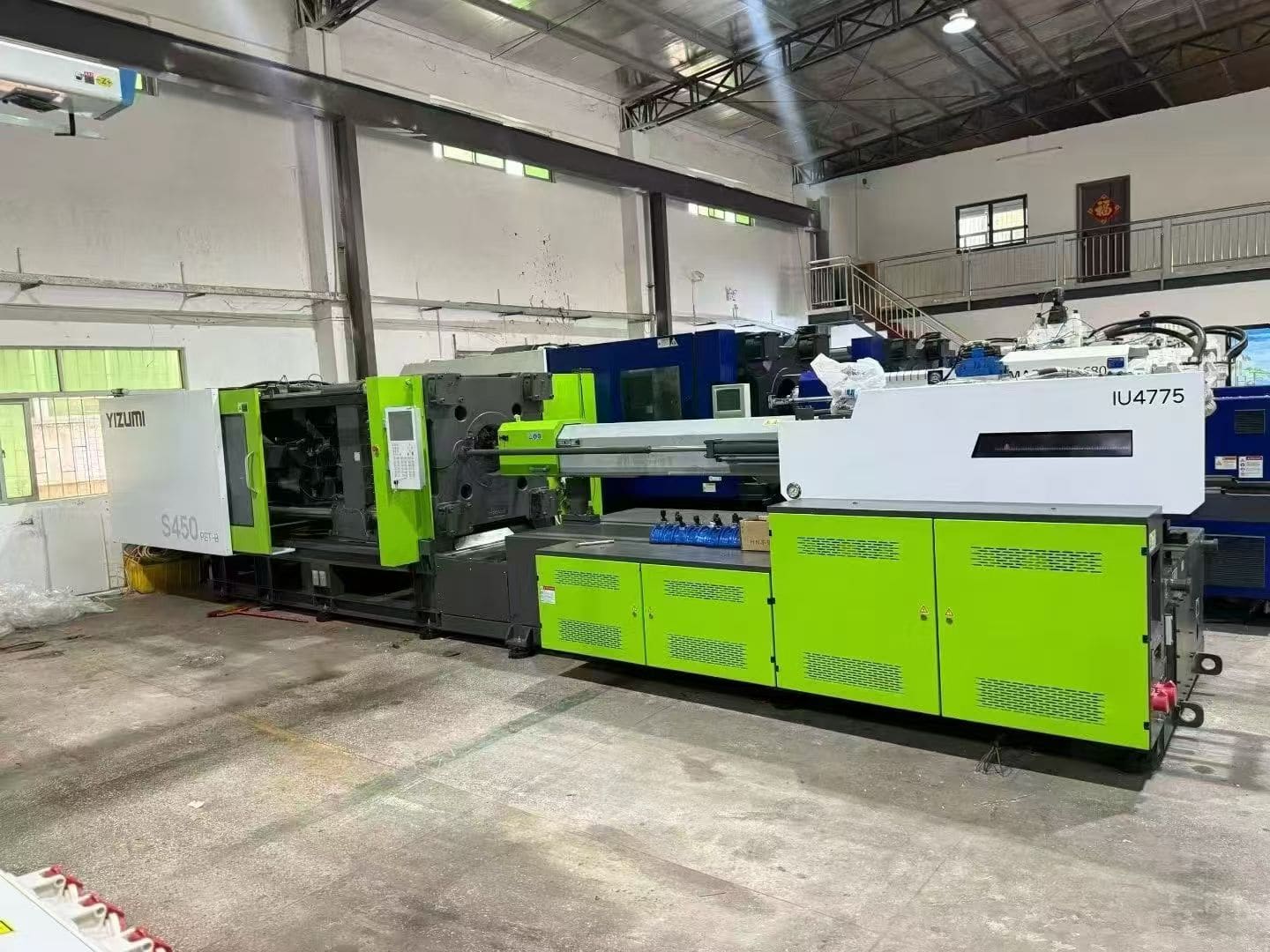
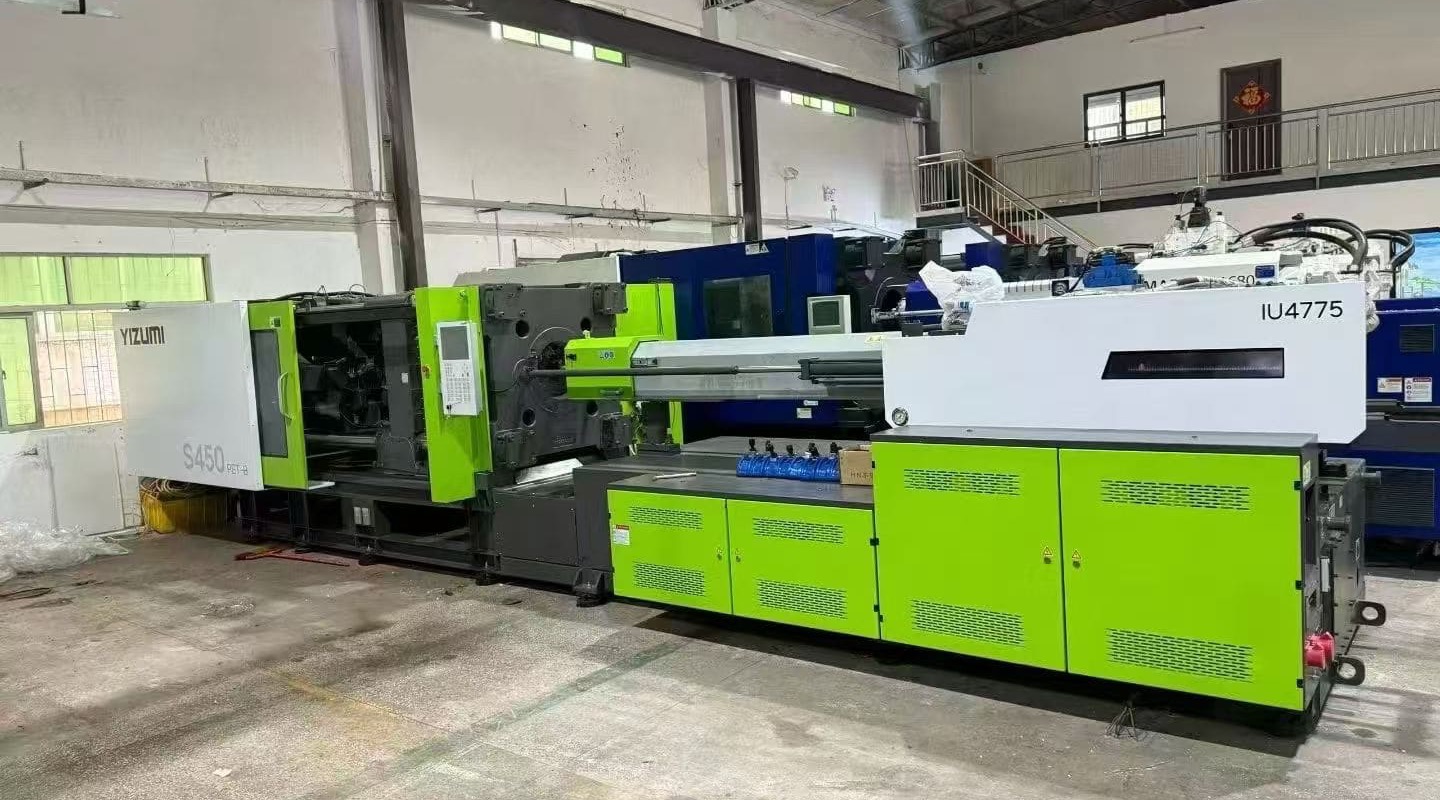
The video should connect the same nameplate, full machine view, controller screen, alarm page, clamp movement, injection-unit movement, screw rotation, heating status, ejector, safety-door behavior and open issues. It should state what was tested, what was not tested and what still needs evidence.
Decision checklist
- Start the video with readable machine identity and full machine view.
- Show controller boot, alarm, manual operation and temperature pages.
- Record clamp, injection, screw rotation, carriage, ejector and safety-door behavior.
- Keep refurbishment scope, sample quality, cycle, price, delivery and warranty as NEEDS_EVIDENCE until supported.
A video should connect identity, function and limits
A refurbished injection molding machine test video should do more than show the machine moving. It should connect identity, controller evidence, function checks and open limitations in one traceable record.
The video is not a substitute for inspection, but it helps a remote buyer decide whether a machine deserves deeper review. It also reduces the risk that photos, controller screenshots and test claims come from different machines.
Suggested video sequence
Ask for a continuous sequence when practical. Start with the nameplate and full machine view, then show the controller boot or system page, active alarm page, manual operation screen and heating screen after warm-up.
Then record mold open and close, clamp pressure response if available, ejector movement, injection carriage movement, screw rotation, charging behavior, nozzle movement and safety-door behavior. End with open issues and items not tested.
- Readable nameplate and full machine view.
- Controller boot, system, alarm, I/O and temperature pages.
- Clamp, ejector, carriage, injection and screw movement.
- Heating-zone status after a documented warm-up period.
- Safety-door and emergency-stop behavior when safe to demonstrate.
- List of tested functions, untested functions and planned work.
Use safety boundaries in the test plan
OSHA's horizontal injection molding machine guidance emphasizes operator gates, guards and not bypassing safety devices. The test video should never encourage reaching around guards, operating with missing guards or bypassing interlocks.
ISO 20430 covers safety requirements for injection moulding machines. A remote video can show some safety-device behavior, but it cannot prove that the final installation meets destination requirements.
Technical limitations
A dry-cycle video does not prove molded-part quality. A reference mold trial does not prove the buyer's own mold will run. A clean repaint does not prove replaced parts. A controller screen without a full machine view may not prove the same machine.
Use the test video as one piece of evidence alongside inspection records, refurbishment scope, service records, mold-fit review, shipment scope and commercial terms.
Common buyer questions
Can a test video prove the machine is fully refurbished?
No. It can support function evidence, but the refurbishment scope still needs written records, parts evidence and inspection results.
Should the test video include the controller screen?
Yes. Showing the controller helps connect alarms, movement commands, temperature status and machine behavior.
Is a dry-cycle video enough before shipment?
It may be enough for a limited pre-shipment check, but a buyer mold trial or site acceptance may still be required for production confidence.
Sources and references used for this guide
This guide supports early project planning. Final machine selection and commercial configuration must be confirmed from the actual part, mold, material, factory utilities and production target.