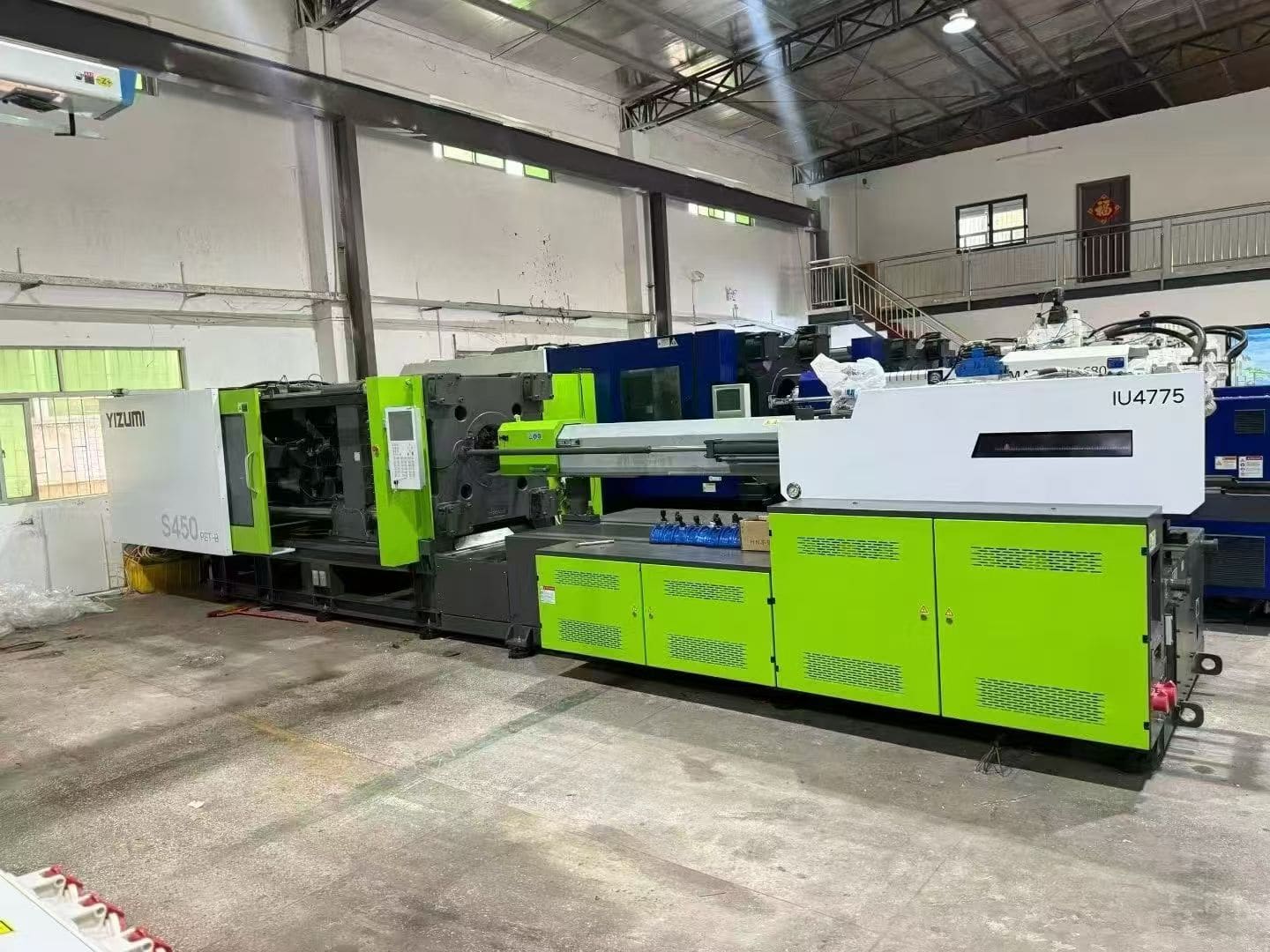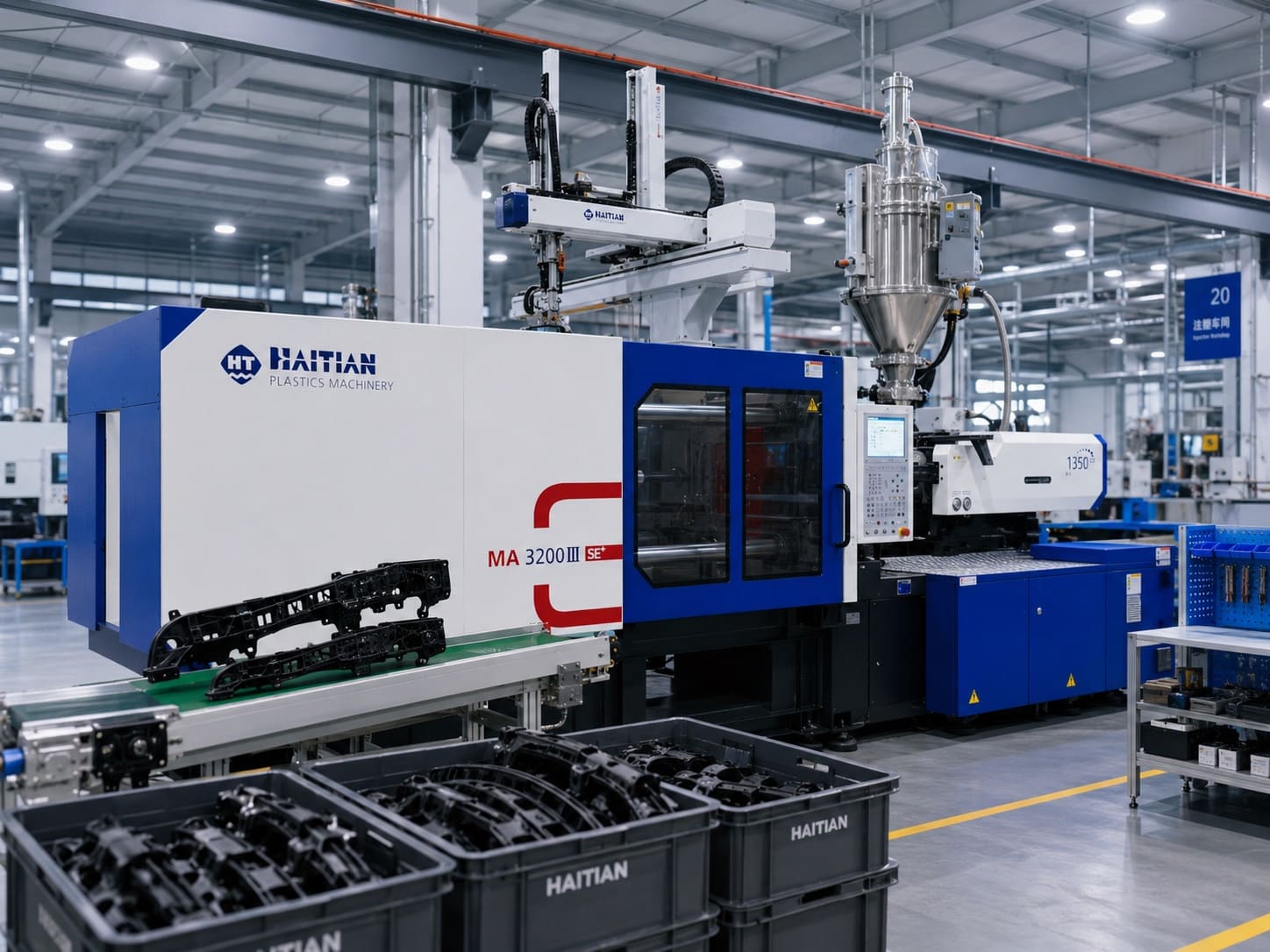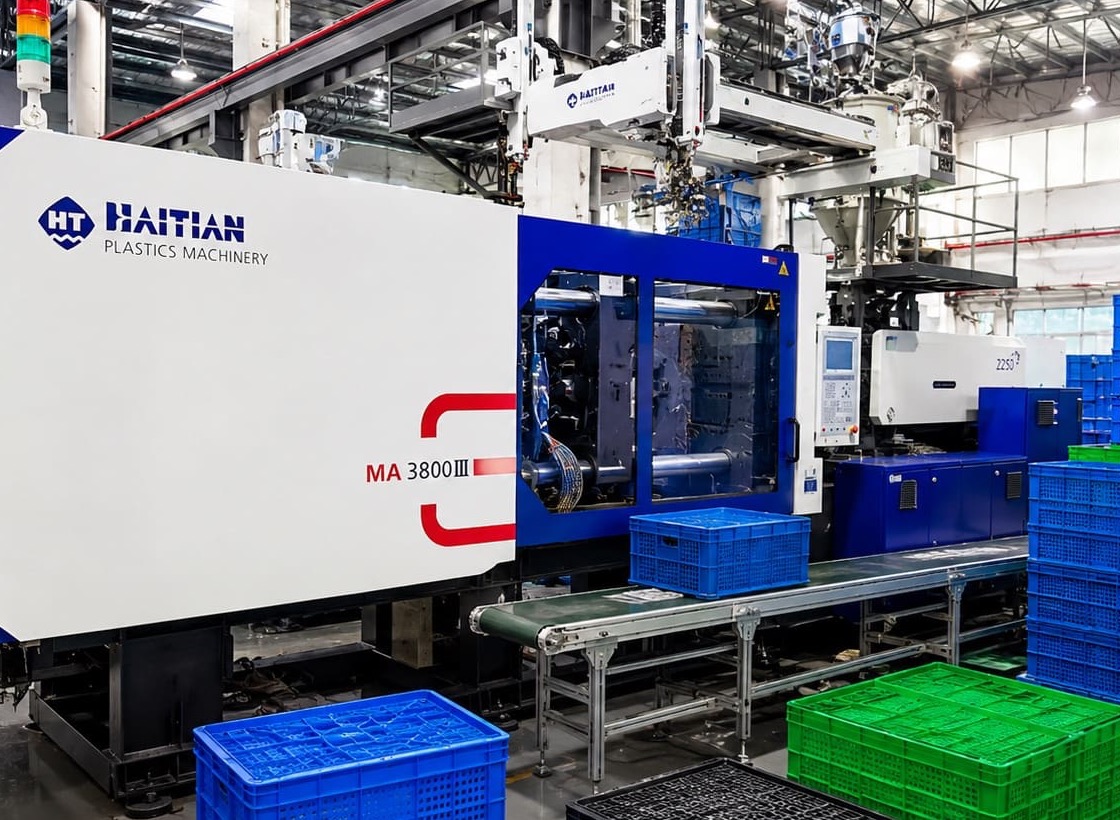
What should a refurbished injection molding machine include?
A credible refurbishment scope identifies the exact machine, records the inspection, separates cosmetic work from mechanical, hydraulic, electrical and safety-related work, lists every replaced part, shows post-work functional tests, states what was not measured or tested, and defines packing, support and destination-site responsibilities. The word refurbished alone is not condition evidence.
Decision checklist
- Match the quotation, nameplate, controller and serial number to one exact machine.
- Separate cleaning and repainting from repair, replacement, adjustment and testing.
- Require completed-work, replaced-parts, tested-functions and not-tested lists.
- Keep hidden wear, local safety review and site integration as explicit limitations.
Do not let one condition word replace the work list
Used-equipment sellers may use cleaned, serviced, refurbished, reconditioned or rebuilt in different ways. A buyer cannot compare those labels without a written scope. Start by asking what was observed, what was done, what evidence exists and what remains outside the offer.
Cleaning and repainting can improve presentation and protect surfaces, but they do not by themselves prove the condition of the clamp, screw and barrel, hydraulic system, controller, electrical cabinet or safety functions.
If the seller cannot list the work completed on the exact serial-numbered machine, treat the refurbishment claim as unverified.
Record machine identity before condition
The scope should identify manufacturer, model, serial number, year when evidenced, clamping force, injection-unit designation, controller, voltage, options and included accessories. The nameplate, controller screen, photographs and quotation should agree.
A familiar model family can contain different screw sizes, control generations and options. Identity evidence prevents the buyer from applying test results, parts lists or values from a different configuration.
Separate five kinds of refurbishment work
A useful report groups work by system so that cosmetic improvements do not obscure technical limits. It should record observations before work, completed actions, parts replaced, post-work results and open items.
- Cosmetic and preservation: cleaning, rust treatment, repainting, labels and covers.
- Mechanical: platens, tie bars, toggle or clamp mechanism, mold adjustment, ejector, injection carriage and lubrication.
- Hydraulic: pump group, oil observations, filters, valves, manifolds, hoses, cylinders and leaks.
- Electrical and control: controller, alarms, cabinet, wiring, cooling fans, motors, heaters, sensors and input/output signals.
- Safety-related checks: emergency stops, guards, safety doors, interlocks and any destination responsibilities not included in the seller's work.
State what cannot be seen or measured
Internal screw and barrel wear, pump condition, seal life, controller component life and other hidden conditions cannot be established from exterior photographs. If a measurement, disassembly or diagnostic record is unavailable, the report should say so directly.
Manufacturer service guidance supports the value of structured preventive inspection and attention to hydraulic hoses and oil condition, but it does not prove the condition of a third-party used machine. Machine-specific evidence remains necessary.
Require post-work functional evidence
After agreed work is complete, request stable video or test records that connect the controller display with the machine movement. A power-on clip alone is weaker than a documented function sequence.
- Controller start-up, active alarms and operating modes
- Clamp opening and closing, mold-height adjustment and ejector movement
- Injection carriage movement, screw rotation, charging and heating
- Observed leaks, noise, temperature response and unresolved faults
- Emergency-stop and safety-door checks within the agreed test scope
- Molding trial conditions, material, mold, cycle data and sample evidence when a trial is possible
Keep safety and destination compliance claims limited
ISO 20430 specifies safety requirements for injection moulding machines within its stated scope. OSHA guidance explains that electrical, mechanical, hydraulic, pneumatic and thermal energy can injure workers during servicing if unexpected startup or stored energy is not controlled.
These references help define why safety-related functions and maintenance procedures matter; they do not certify a used machine for the buyer's destination. The seller should state what was checked, while the buyer confirms local installation, guarding, energy-isolation and regulatory responsibilities with qualified parties.
Use a buyer-auditable quotation structure
The final offer should allow a buyer to trace every material condition statement back to evidence. It should avoid broad phrases such as fully refurbished, like new, ready for production or compliant when the scope does not support them.
- Exact machine identity and included configuration
- Inspection findings before work
- Work completed and parts replaced, with quantities where available
- Functions tested, method used and result
- Items not tested or not measured
- Known open work, wear items, exclusions and buyer responsibilities
- Packing, documentation, spare parts, commissioning and support scope
Common buyer questions
Is a repainted injection molding machine refurbished?
Not by itself. Repainting is cosmetic unless the seller also documents inspection, repair, replacement, adjustment, testing and the work that remains excluded.
Should a refurbished machine have a molding trial?
A molding trial is valuable when a suitable mold and material are available, but the conditions, cycle, samples and unresolved issues must be recorded. If no trial was performed, the scope should say so.
Can a refurbished used machine be described as new?
No. A used machine may be repaired, improved and tested, but it should remain identified as used unless it is genuinely new and supported by corresponding evidence.
Sources and references used for this guide
This guide supports early project planning. Final machine selection and commercial configuration must be confirmed from the actual part, mold, material, factory utilities and production target.