How should a buyer verify a used Haitian injection molding machine?
Verify the exact used Haitian machine by matching a readable nameplate, controller screen, clamping-unit evidence, injection-unit evidence and running test record for the same press. Manufacturer specifications can help you understand technical fields, but they do not prove the condition, configuration, ownership or mold suitability of a specific used machine.
Decision checklist
- Request a readable nameplate photo and compare it with the quotation.
- Ask for controller boot, system and alarm screens tied to the same machine.
- Match clamping-force, tie-bar, mold-height and injection-unit fields to the buyer's mold.
- Mark year, hours, price, stock, condition and test results as NEEDS_EVIDENCE until documented.
Start with the exact machine identity
Used-machine offers often compress brand, model, tonnage, year and price into one line. That is not enough for a purchase decision. The model may point to a clamping force and injection unit, while the used machine itself may have changed screw, controller, hydraulic parts, cabinet parts, guards, voltage or options during its working life.
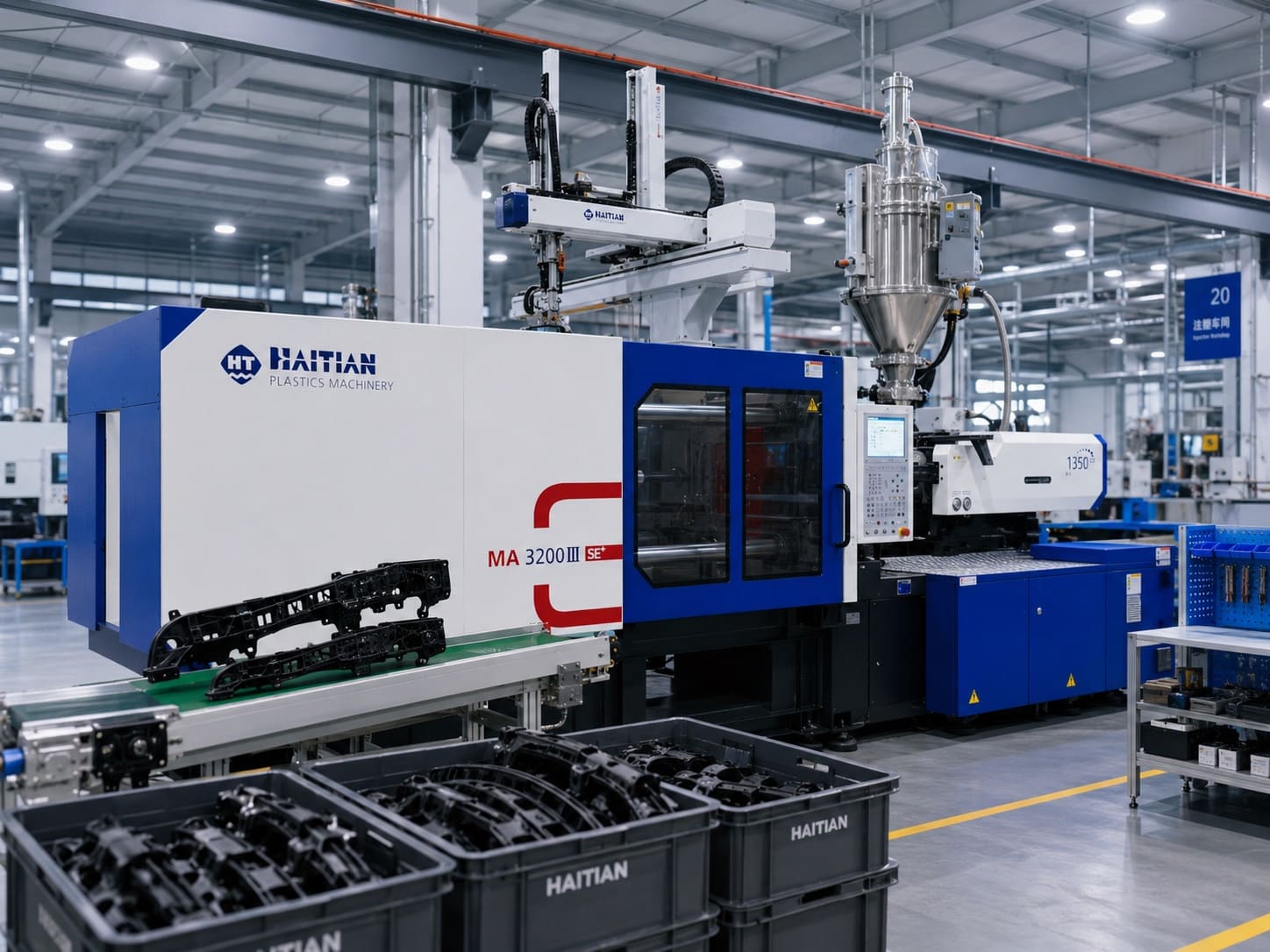
Haitian Mars specification sheets show fields such as injection unit, screw diameter, injection pressure, clamping force, tie-bar spacing, mold height, ejector stroke and machine dimensions. Haitian Jupiter materials show a two-platen product family with clamping-force and mold-fit fields for larger machines. Treat those sources as references for consistency checks, not as evidence that a listed used unit is complete or running.
Haitian is a third-party trademark here and is used only to identify the machine being reviewed. No manufacturer relationship is implied.
Use an evidence matrix before discussing price
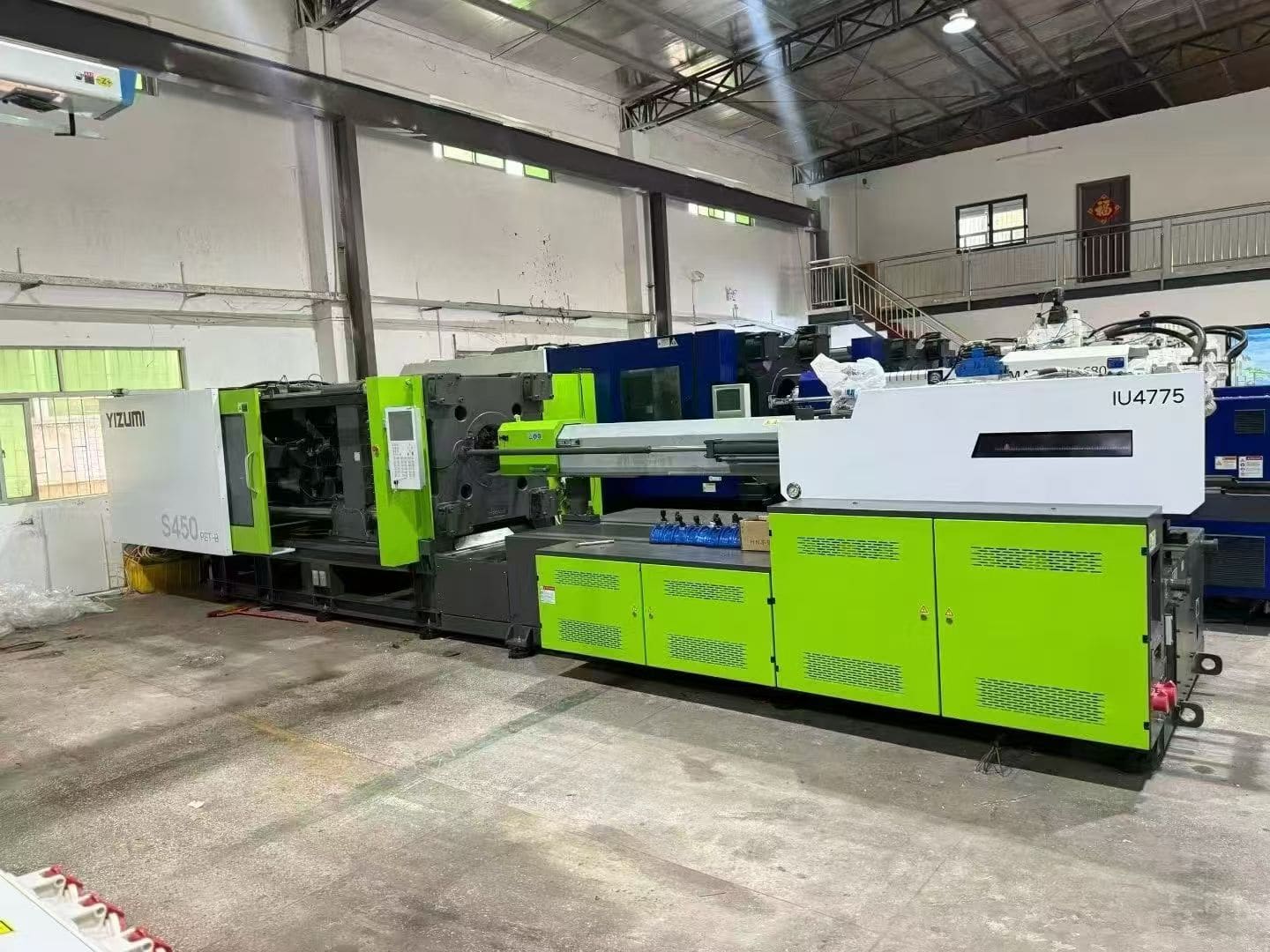
A nameplate photo can support machine identity and rating fields, but it cannot prove current condition, ownership, hours or repair history. Full machine photos can show visible configuration and missing obvious parts, but they cannot prove servo condition, platen wear or hydraulic health.
Controller screens can support controller identity and current alarm review, but they do not prove that every I/O point and sensor works. Clamping and injection videos can show movement, heating and basic operation, but they do not prove long-term wear, repeatability or suitability for the buyer's exact mold.
- Ask for the nameplate, full machine view and controller screen in one continuous evidence set.
- Request clamping, injection, carriage, screw-rotation, heating and ejector videos.
- Keep seller-only text claims out of published copy unless they are backed by documents or visible records.
- Use NEEDS_EVIDENCE for stock, year, operating hours, controller version, test result and price until proven.
Match the clamping unit to the mold
For mold fit, the buyer needs more than nominal tonnage. Record tie-bar spacing, platen dimensions, mold thickness range, opening stroke, daylight, ejector stroke, ejector force, locating ring size, clamp-hole pattern and expected mold weight.
Ask for measuring-tape photos or video where possible. If the buyer's mold has slides, hydraulic cores, hot runner, robot unloading or a tall stack height, request a mold-fit review before treating the machine as shortlisted.
Check the injection unit against resin and part weight
The injection unit should be checked against shot weight, screw diameter, L/D ratio, injection pressure, plasticizing capacity, nozzle interface and material history. A machine that is acceptable for one PP household product may be poorly matched for a thin-wall part, high-temperature engineering resin, optical part or product requiring tight shot repeatability.
If the seller cannot show screw/barrel service history, current injection movement and heating-zone status, mark wear condition as NEEDS_EVIDENCE. Do not describe the injection unit as rebuilt, low-hour or production-ready without records.
Technical limitations
Manufacturer catalogs may change and may not match older exported machines. A catalog table does not verify the exact nameplate, controller, screw, barrel or option package of a used machine.
Safety requirements depend on destination, installation and guarding condition. ISO 20430 covers safety requirements for injection moulding machines, while OSHA hazardous-energy guidance is relevant when service or inspection exposes workers to stored electrical, hydraulic, pneumatic or mechanical energy.
Common buyer questions
Is a Haitian model code enough to confirm machine suitability?
No. The model code helps structure the check, but the buyer still needs nameplate evidence, controller evidence, measured mold-fit fields, injection-unit evidence and a test record for the exact used machine.
Can a seller's year or operating-hour claim be used in marketing copy?
Only when there is reliable evidence. If the year, hours or condition are not supported by records or readable machine data, mark them NEEDS_EVIDENCE.
Should the buyer ask for a live video?
Yes. The video should show the same machine identity and demonstrate key movements, heating, controller status and alarms. It still does not replace a physical inspection for higher-risk purchases.
Sources and references used for this guide
This guide supports early project planning. Final machine selection and commercial configuration must be confirmed from the actual part, mold, material, factory utilities and production target.