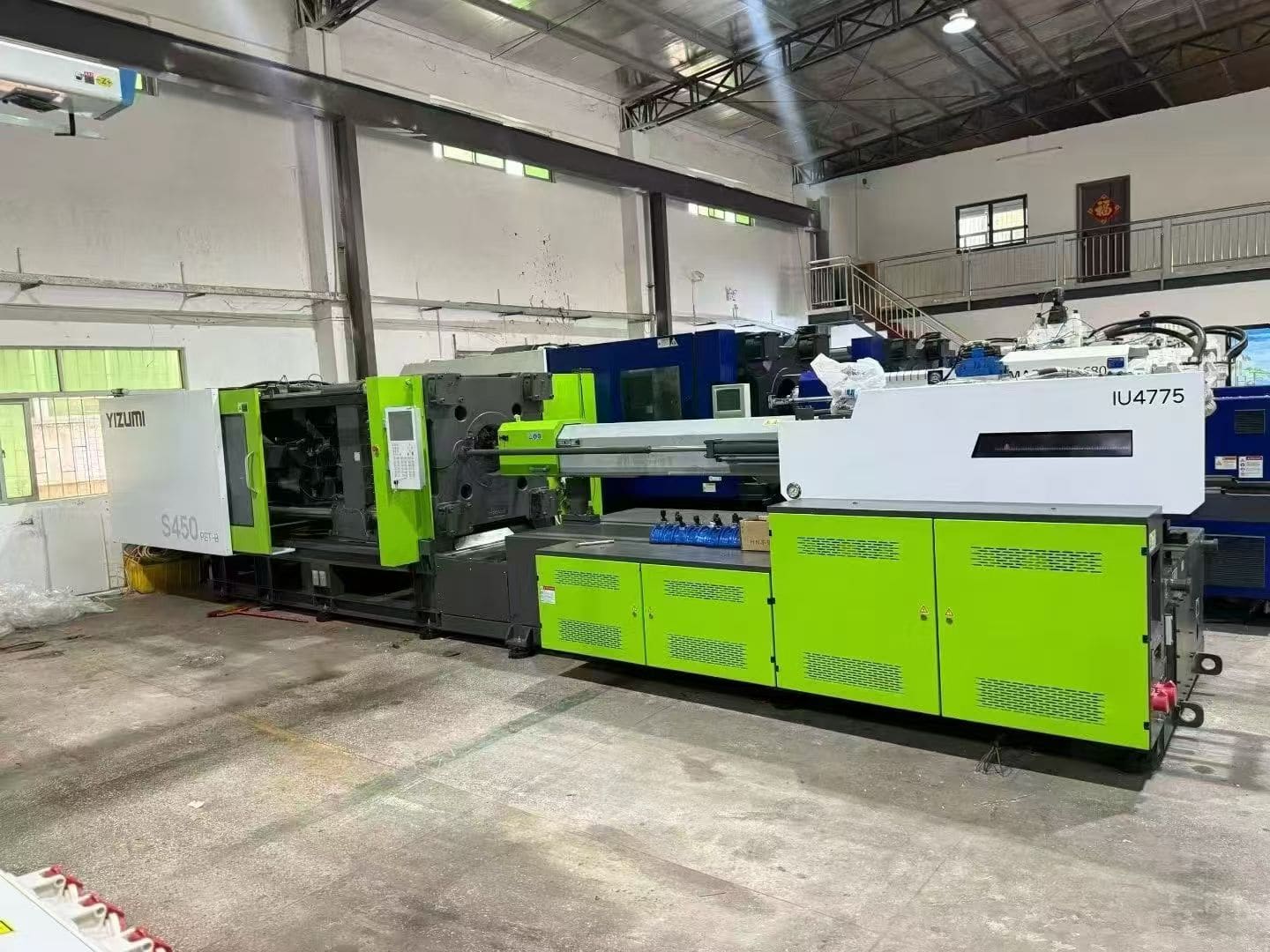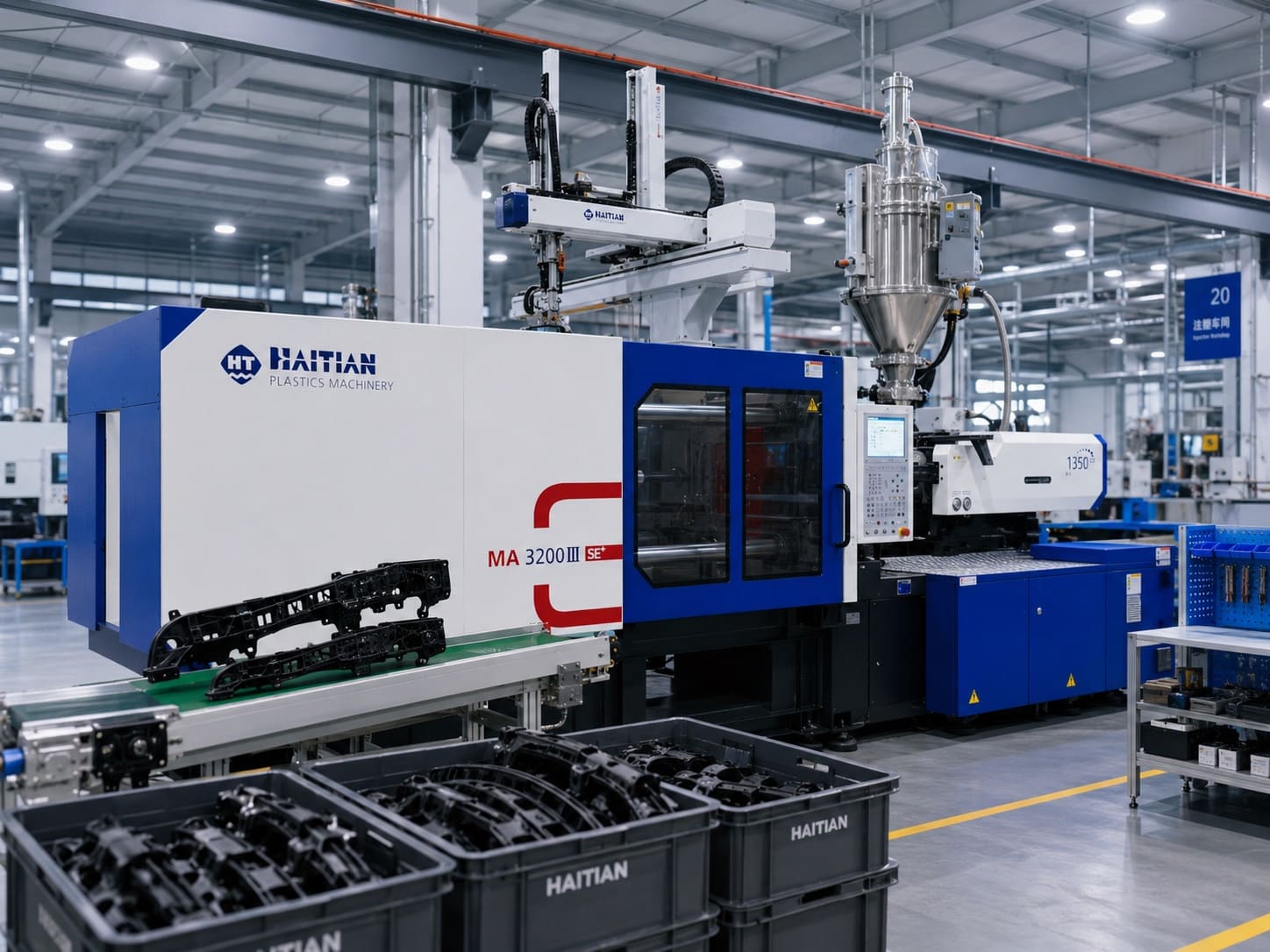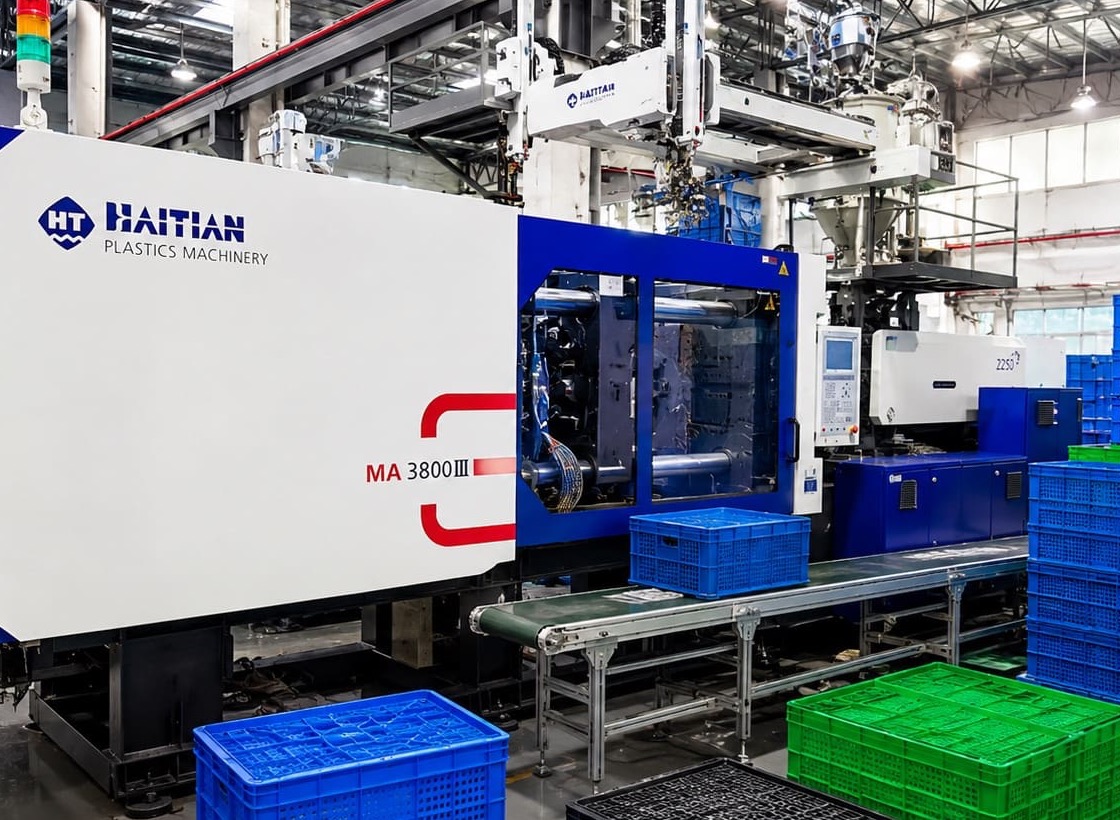
How do you check mold fit on a used Chen Hsong injection molding machine?
Check mold fit by matching the buyer's mold dimensions, stack height, weight, ejector layout, core-pull needs, hot-runner zones and automation plan against the used machine's measured tie-bar spacing, platen pattern, daylight, mold-thickness range, opening stroke, ejector stroke, injection unit and controller evidence. Tonnage alone is not enough.
Decision checklist
- Compare tie-bar spacing and platen layout against mold outside dimensions.
- Check mold thickness, daylight, opening stroke, ejector stroke and ejector force.
- Confirm injection-unit suitability against shot weight, resin and process range.
- Mark model, year, hours, mold test, controller, condition, price and delivery as NEEDS_EVIDENCE until documented.
Why tonnage is not the whole decision
Tonnage can be roughly estimated from projected area and process pressure, but mold fit can fail even when clamping force is adequate. The mold may be too wide for the tie bars, too thick or thin for the machine range, too heavy for safe handling, too tall for daylight, or incompatible with the ejector pattern.
Chen Hsong Jetmaster MK6 materials show fields such as screw diameter, injection pressure, clamping force, opening stroke, maximum daylight, space between tie bars, mold thickness range, ejector stroke, ejector force and temperature-control zones. The same material lists options such as core pullers, air blow, robot communication and hot-runner zones. These are prompts for questions, not proof that a specific used machine has every option.
Chen Hsong is a third-party trademark here and is used only for independent used-machine identification and buyer verification.
Mold-fit checks before shortlisting
First ask whether the mold can physically enter between tie bars with practical handling allowance. Then check mold thickness against the machine range, daylight against part-removal needs and ejector layout against the mold's ejector system.
Shot size, screw diameter, injection pressure and material plan should be reviewed by a molding engineer. Core-puller quantity, hydraulic ports, hot-runner zones, cabinet condition and controller pages should be requested when the mold uses those functions.
- Tie-bar spacing and mold outside dimensions
- Minimum and maximum mold-height range
- Opening stroke, daylight and part-removal space
- Ejector stroke, force and pin layout
- Core-puller, hot-runner and robot-interface requirements
- Safety guarding, interlocks and emergency stop evidence
Use controller evidence to support the review
Older Chen Hsong controller manuals show functions such as molding operation mode, position, speed, pressure, time, counters, automatic mold-height adjustment, mold-number functions and I/O status checks. In a used-machine review, controller pages should support the inspection, not replace it.
Ask for photos or video of the controller pages used during mold open/close, ejector, core-puller, temperature and alarm checks. If the seller cannot show the relevant pages, mark controller-dependent functions as NEEDS_EVIDENCE.
Prepare buyer-side mold data
The seller cannot judge mold fit accurately from a part photo. Prepare mold outside dimensions, stack height, mold weight, lifting method, clamping-force estimate, ejector stroke, ejector pattern, core pulls, slides, unscrewing or air-blow requirements.
Also prepare hot-runner zones, voltage, connector details, resin, shot weight, runner type, expected cycle target and robot, conveyor or manual unloading plan.
Technical limitations
Manufacturer catalog data may not match older machines, regional variants or retrofitted units. A seller's model claim does not prove the exact injection unit, controller, options or safety condition.
Mold-fit tables cannot replace a qualified mold trial where the project risk is high. ISO 20430 addresses safety requirements for injection moulding machines, and ANSI/PLASTICS B151.1 is a relevant injection molding machine safety reference for U.S.-oriented safety discussions.
Common buyer questions
Can a mold fit decision be made from tonnage alone?
No. Tonnage is only one input. Tie-bar spacing, mold thickness, daylight, ejector layout, injection unit, core pulls, hot runner and safety condition must also be checked.
What if the machine has the right tie-bar spacing but unknown ejector layout?
Keep the machine under review but mark ejector compatibility as NEEDS_EVIDENCE. Request platen and ejector photos, dimensions and a controller video.
Is a dry cycle enough to accept mold fit?
No. A dry cycle shows basic movement under no mold load. Mold fit and process suitability require buyer mold data and, for material projects, a trial or engineering review.
Sources and references used for this guide
This guide supports early project planning. Final machine selection and commercial configuration must be confirmed from the actual part, mold, material, factory utilities and production target.